
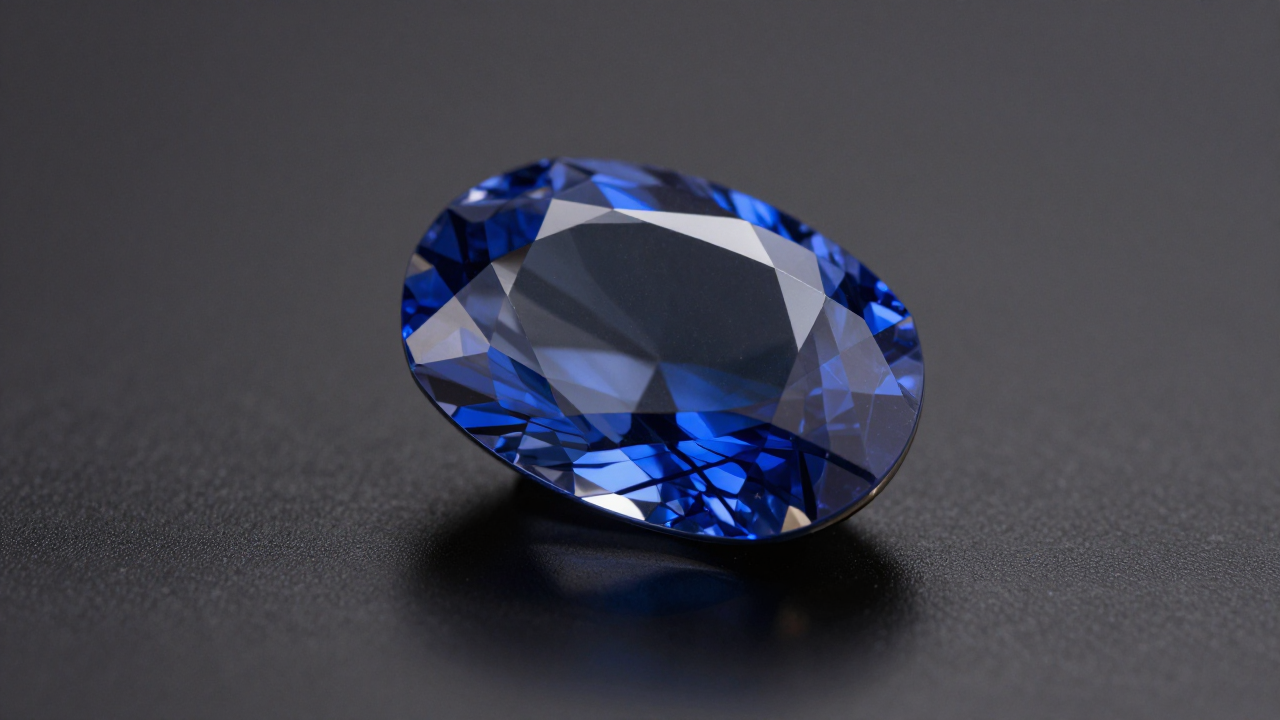
Shopping in 2026 has a strange split. A $300 microbrand diver lists sapphire watch crystal as standard, while a $1,200 fashion watch still ships with mineral glass and charges $75 for the upgrade.…
That gap breeds confusion. I’ve spent 15 years in synthetic sapphire manufacturing, first at a small finishing operation and now with Jadezone Optical, and the same three myths keep showing up in buyer emails and return claims.
What You Need to Know Before Paying for a Sapphire Watch Crystal
A small aside before the failures: the term “sapphire watch crystal” is not a gemstone claim. It describes lab-grown aluminum oxide. It’s sliced from synthetic boules, not mined from a mountain. The durability story starts there, and so do the misunderstandings.
The Real Difference Between Sapphire, Mineral Glass, and Acrylic
If you look at the materials side by side, the tradeoffs are clear.
These numbers explain the basic tradeoff. Sapphire gives up a little light transmission because it reflects more at each surface unless it has an anti-reflective coating. A good underside AR coat can cut reflection to around 1.5%. A cheap outer AR coat will look hazy after six months of keys in the same pocket.
Hardness Is Not the Same as Impact Resistance
People treat Mohs 9 as bulletproof. It isn’t. Hardness measures scratch resistance, not impact toughness. Sapphire is brittle. A direct edge strike can crack it, especially if the edge isn’t beveled or the case doesn’t support it. Typical dress watches use 0.8–1.0 mm flat crystals. Dive watches with 200m ratings often need 2.0–3.2 mm. I realize I’m drifting into optics theory—pulling back. The practical point: check thickness and gasket before assuming a watch can take abuse.
Three Myths That Still Cost Shoppers Money
Myth 1 Prices Are Out of Reach for Everyday Watches
June 2022, Chris, who ran a small Austin field-watch brand, launched a 40mm model with mineral glass to hit $279 pre-order. He wanted to look affordable. Within four months, warranty claims reached 31 per 100 units sold for scratched or shattered glass. He reordered with flat sapphire at an added $7.80 per unit, and claims dropped to 6 per 100 in the next 90 days. That’s not marketing; it’s why “affordable” and “sapphire” now show up together.
Retail shoppers still see $200 repair quotes and conclude sapphire is expensive. The part isn’t the cost driver. At supplier volumes, a standard 30.0mm × 1.0mm flat sapphire with polished edges runs $2.80–$5.50. Double-domed with blue AR is $6.50–$12. Authorized service adds brand parts markup, labor, and sometimes a four-week wait. That’s where the money goes.
Myth 2 All Sapphire Crystals Are Identical
March 2023, a Florida eBay reseller bought 800 sapphire watch crystals at $2.10 a unit. The listing used name-brand photos and generic specs. He expected to flip them for Seiko mods. In five weeks, returns hit 9%. He mailed one to our QC team. It wasn’t synthetic sapphire; it was hardened mineral glass. A diamond tester set to sapphire mode stayed quiet, and a scratch test marked the surface at Mohs 6.
Even real sapphire varies. Growth method, internal stress, edge polish, and coating quality all change the installed result. A double-domed crystal without inner AR will reflect your face on a dark dial. That isn’t a defect; it’s a spec choice. Cheap vendors don’t tell you that.
Myth 3 A Cracked Crystal Means the Watch Is Dead
January 2021, a Portland insurance adjuster named Jason sent us a photo of a cracked 32.5mm crystal on a $600 microbrand diver. His dealer quote was $245 and nine weeks. He was ready to toss it. We matched a 32.5mm × 2.5mm double-domed crystal with green AR from stock. His local watchmaker charged $35 in labor; the part was $45. $80 total.
That’s not universal. Deep radial cracks can signal a movement impact, and any cracked crystal should be considered non-water-resistant until pressure-tested. But replacement is routine if you have dimensions and a gasket that’s still flexible. The real problem is when brands use discontinued case seals or non-standard diameters. That’s why you ask about spare part access before buying a microbrand dive watch.
What to Check Before You Buy a Sapphire Watch Crystal in 2026
Five Selection Factors That Actually Matter
Maintenance Tips Without the Nonsense
Clean with warm water and mild soap. If you see a scratch, look at the coating before blaming the sapphire. Do not use diamond paste on AR coating. If there’s edge chipping, stop wearing it in water and have it checked. Pressure-test dive watches annually, especially if you wear one while kayaking off the Oregon coast or swimming in a Florida spring.
What We Learned Making Sapphire Watch Crystals Since 2010
Jadezone Optical (HK) Ltd started in Shenzhen with a few finishing machines and a lot of faith in synthetic sapphire. Today we’re 300+ people across cutting, polishing, coating, and inspection. Watch crystals are one part of our output, alongside phone covers and jewelry components. That doesn’t make us the only answer. It does mean we’ve seen the failure chain from ingot to installed case.
In November 2024, a California microbrand ordered 500 blue-AR double-domed crystals for a 38mm field watch with a ±0.03mm thickness tolerance. Our first QC pass flagged 11 pieces just outside the band. We pulled them before packing, cut replacements, and shipped 48 hours later. A tolerance note on paper means nothing if it isn’t enforced. I know that sounds obvious, but I’ve audited suppliers who only check every 50th piece.
Common Questions About Sapphire Watch Crystals
Q&A Without the Marketing Fog
Is sapphire crystal scratch-proof? No. It resists steel, keys, coins. Tungsten carbide and diamond can scratch it. Outer AR coatings scratch even more easily. How do I know if a watch really has a sapphire watch crystal? For used watches, a diamond tester set to sapphire can help. In a store, ask for the spec sheet, not the sales description. Words like “sapphire-coated glass” are a red flag. Can cracked sapphire be polished back to clear? It can in theory, but for watch crystals under 2mm it’s rarely cost-effective. Replacement is cleaner and faster. Does a double-domed crystal crack more easily than a flat one? It sits taller and can catch more impacts, but edge support and thickness matter more. A poorly supported flat 0.8mm crystal can fail faster than a well-supported 1.8mm dome. What’s a fair replacement price in the US? Common sizes run $40–$120 installed at an independent watchmaker. Authorized service may be $150–$300 with brand markup and pressure testing. If you’re quoted $400 for a standard 31mm crystal, you’re paying for the name on the dial.The 2026 shopper doesn’t need to memorize Mohs values. But understanding the difference between real sapphire, coated glass, and bad gasket design can save you from a return request six months later. I’ve seen too many avoidable losses to pretend otherwise.