Pioneer and leader in the same industry
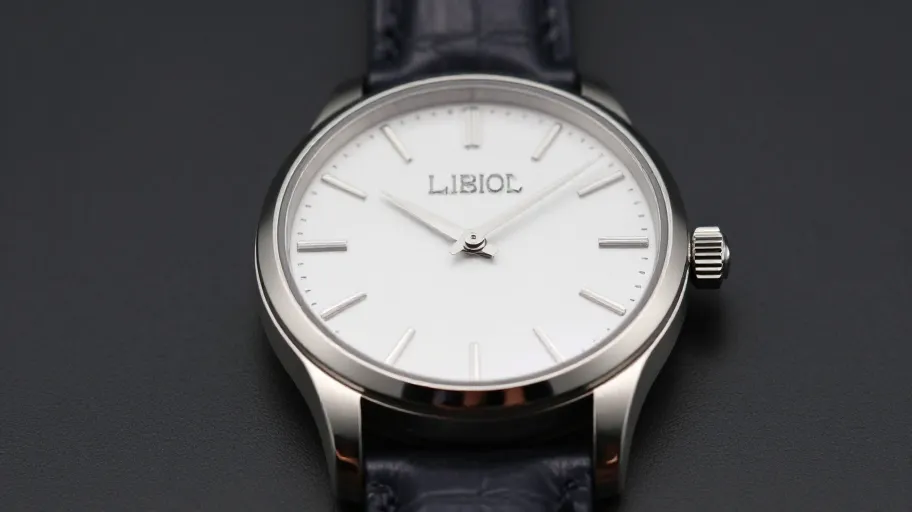
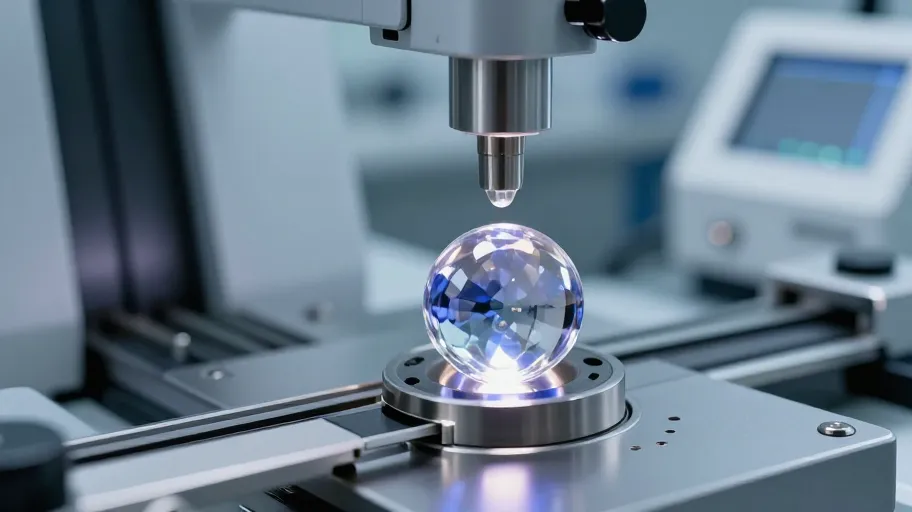
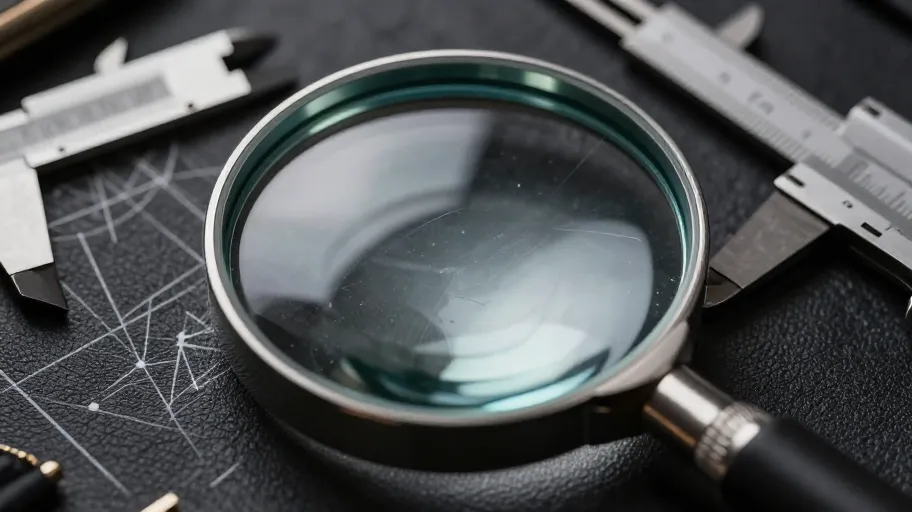
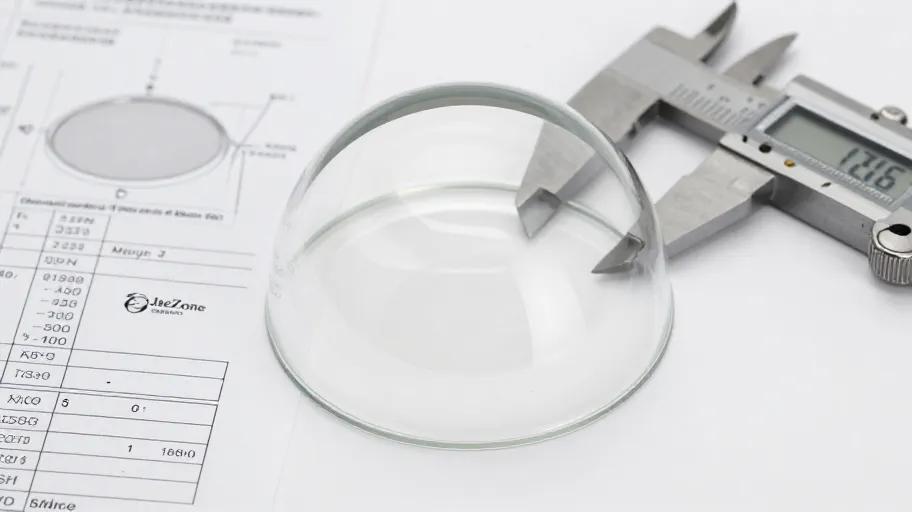
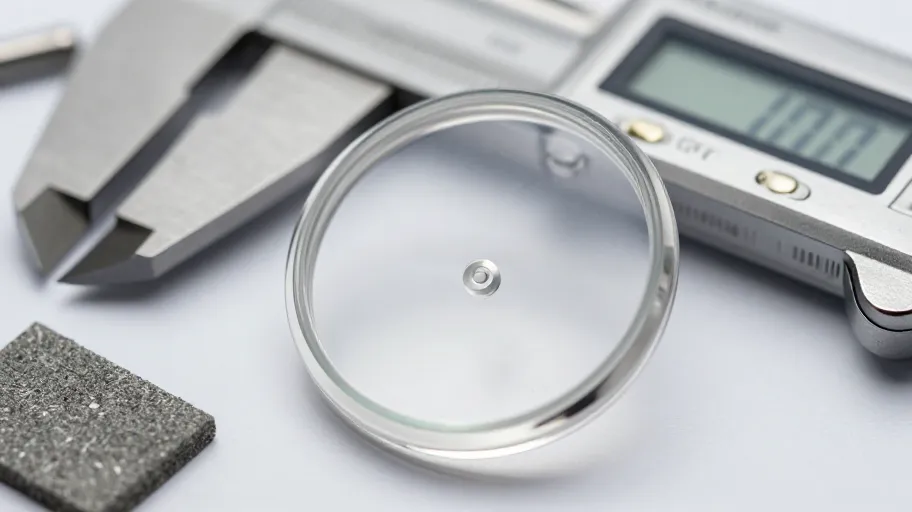
A domed watch crystal is a curved, transparent sapphire cover glass for a watch case, grown as synthetic sapphire and ground into a raised profile rather than a flat disc. For a sourcing manager, the purchasing risk sits in three places: the geometry specification, the sample evaluation, and the written approval gate. This guide walks through all three so your RFQ to JadeZone Sapphire — or any sapphire manufacturer — is precise, testable and defensible.
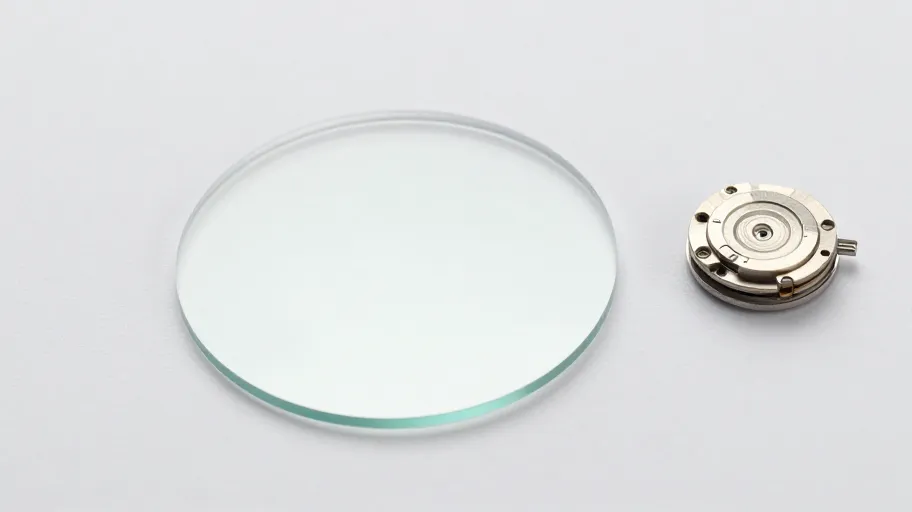
The cheapest sapphire crystal watch, from a sourcing perspective, is the one built around a simplified crystal specification: a flat or minimally curved profile, standard thickness, plain edges, and no optional coatings or applied features — produced by a supplier whose sample you have inspected and approved in writing before tooling. Cost in custom sapphire is driven less by "sapphire" itself and far more by geometry, finish, coating and feature choices. This guide gives you a framework to control those levers deliberately.
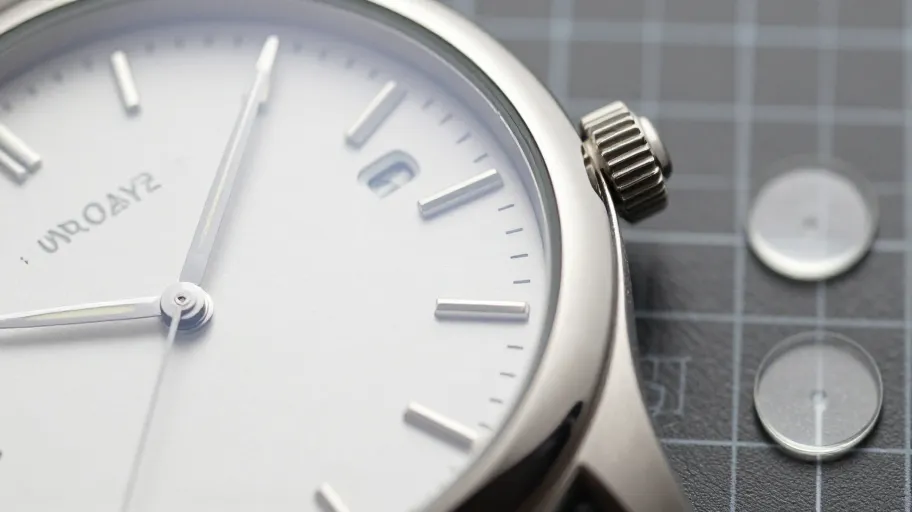
Yes — sapphire crystal is a strong choice for watches when the goal is scratch resistance and long-term optical clarity, and the specification, coating and fit are documented and approved against samples. Whether it is the right choice for your watch depends on product positioning, case design and your approval process, not on the material alone.
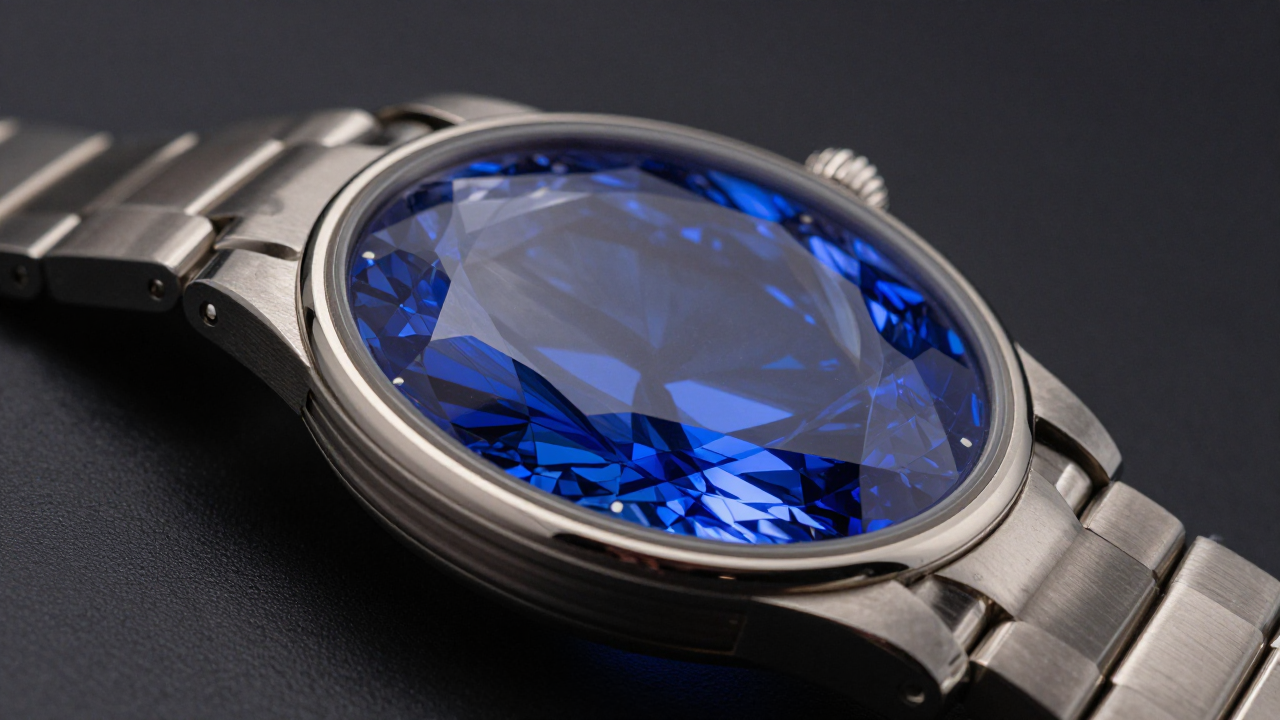
A sapphire watch crystal, made from synthetic single-crystal corundum, is highly resistant to scratches due to its 9 on the Mohs hardness scale. Only diamond, at Mohs 10, is harder.

Buying sapphire optical parts from Chinese OEMs seems straightforward—until your production run fails. The real risk isn’t cost—it’s invisible defects. Here’s how to spot reliable suppliers before you sign.
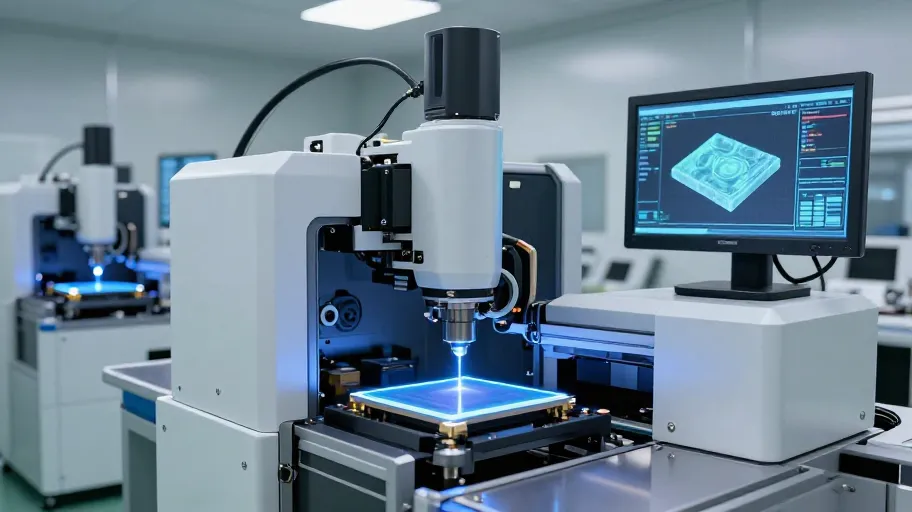
China’s sapphire crystal factories dominate global supply by combining AI-driven metrology with micron-level precision. This isn’t just manufacturing—it’s a new standard in material trust.
Page 1 of 39