Pioneer and leader in the same industry
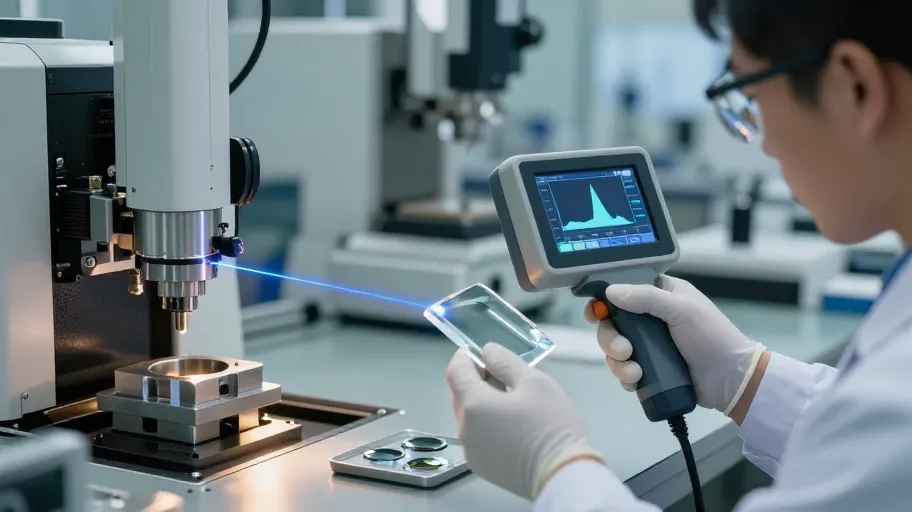
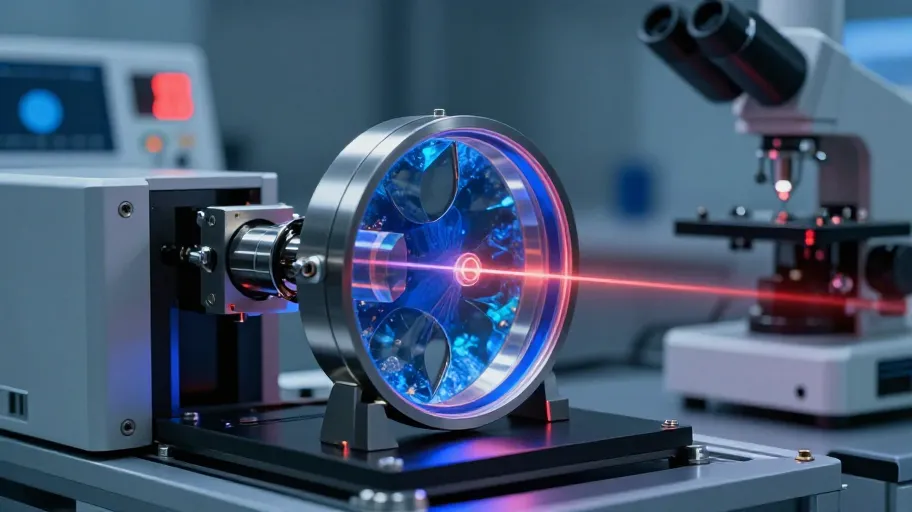
Buying sapphire crystal from China isn’t about chasing the lowest quote—it’s about avoiding costly optical surprises. This guide reveals how top U.S. medtech and laser OEMs cut TCO by 22% in 12 months—not by negotiating harder, but by sourcing smarter.
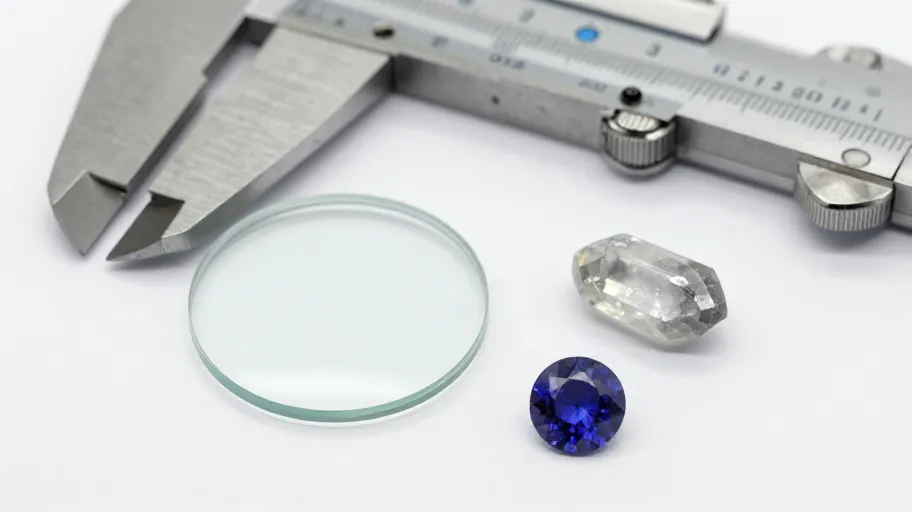
Yes — in watchmaking, "sapphire crystal" means real crystalline aluminium oxide, grown synthetically rather than mined. It is chemically the same substance as natural sapphire, excluding trace impurities that give gemstones colour. The commercial risk is not the material name but substitution: glass or spinel sold under a loose "sapphire" label. Verification, not trust, closes that gap.
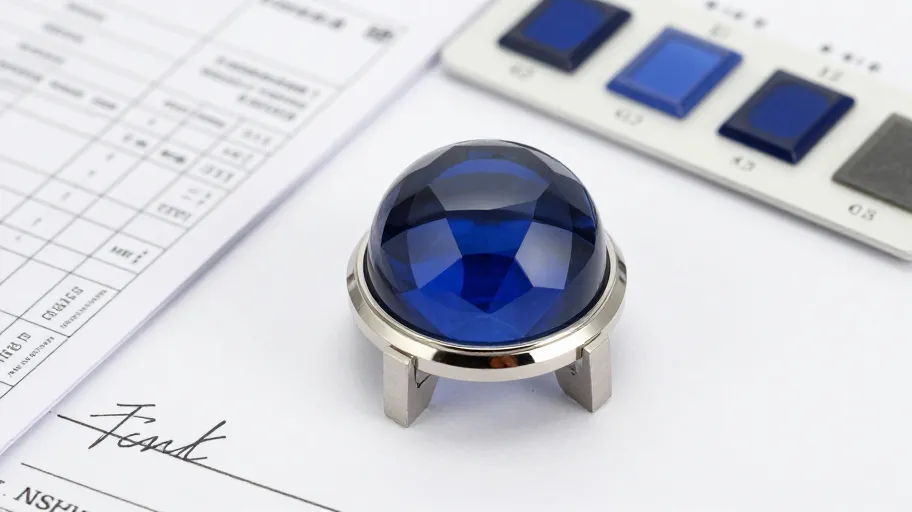
For a B2B buyer, "is sapphire crystal cheap?" has no single answer, because the cost of a custom sapphire watch crystal is defined by your specification: geometry, thickness, coating, finishing, dome profile and order scope all move the number. The more productive question is which cost drivers you control, and how you verify each one before mass production. Use the SPEC–SAMPLE–SIGN-OFF gate: lock the specification, qualify through samples, then approve with documented sign-off.
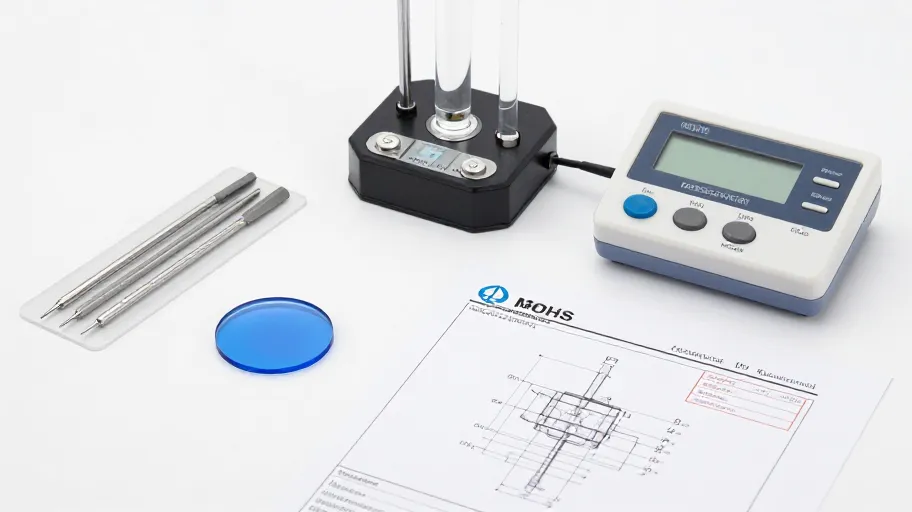
How to tell if a sapphire crystal is real? Verify material identity with a hardness test, a refractive/density check and — for production decisions — a laboratory or supplier-certified test report; then confirm conformance to your drawing, not just authenticity. Use a defined approval sequence before authorising mass production, and document every result.
Buyers should judge a sapphire watch crystal on four things: verified surface hardness, anti-reflective coating quality, dimensional fit to the case, and traceable material origin.…
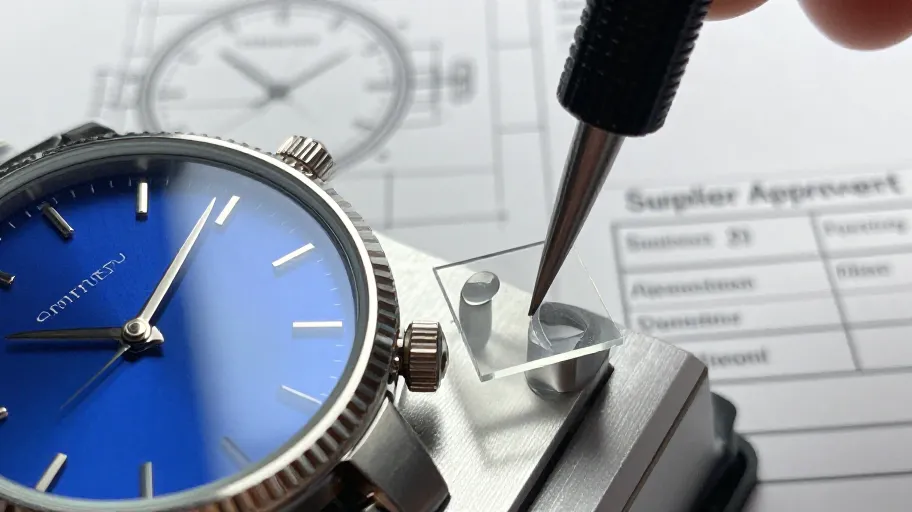
Is a sapphire crystal watch worth it? For a watch brand, the answer is commercial, not sentimental: sapphire is worth specifying when its scratch resistance, optical clarity and warranty exposure profile fit your price tier, positioning and service commitments — and only a verified sample approval process proves a supplier can deliver to your drawings.
Page 6 of 50