Pioneer and leader in the same industry
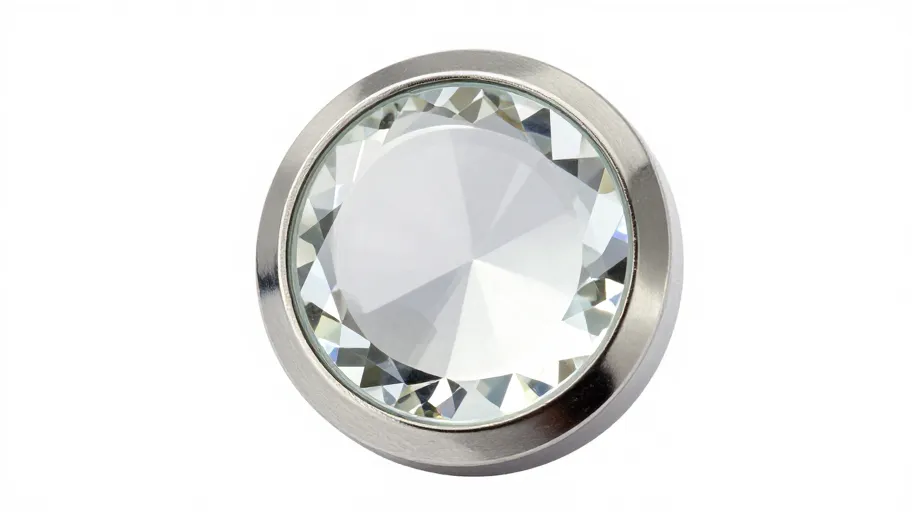
A sapphire watch crystal is made of synthetic sapphire — a single crystal of aluminium oxide (Al₂O₃), known as corundum, grown in a laboratory and sliced, ground and polished into a transparent watch lens. It is not natural gemstone and not ordinary glass; it is an engineered crystalline material chosen for hardness and optical clarity.
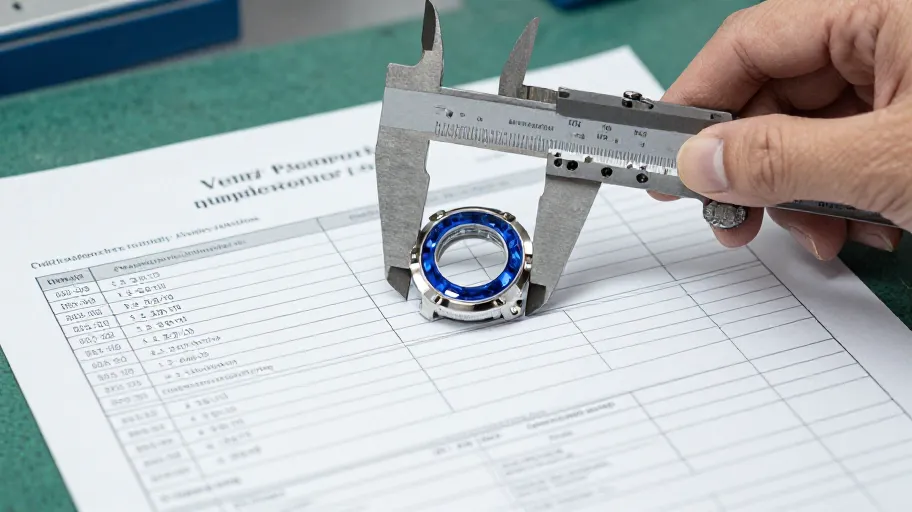
Evaluating a sapphire watch case manufacturer comes down to five things: verified production capability for your specific geometry, a documented quality and inspection system, clear engineering communication, written acceptance criteria, and terms for samples, tooling and escalation that you have confirmed in writing. Use the VERIFY Framework below to score every shortlisted supplier on the same evidence.
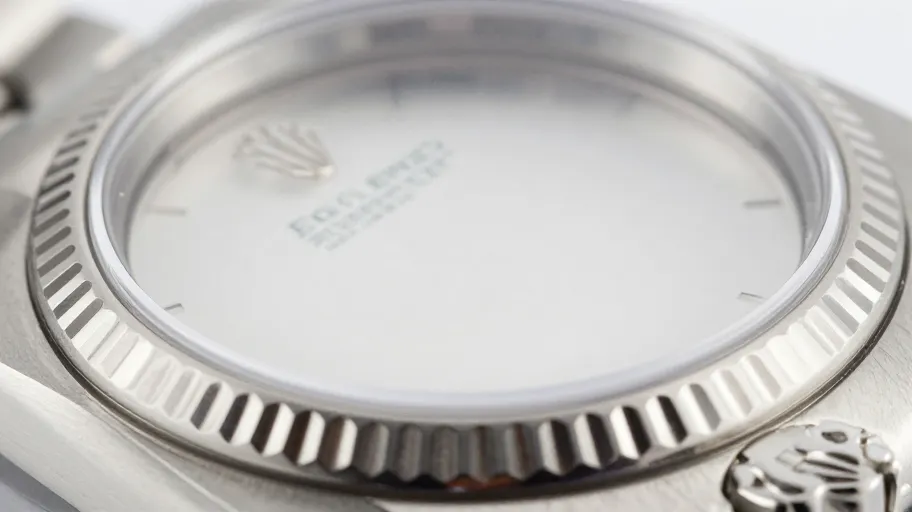
Yes — Rolex uses sapphire crystal across its current watch collections, having moved from acrylic to sapphire across its ranges over past decades. For component buyers, the useful question is not what Rolex uses, but how to specify, sample and approve sapphire crystals for your own product line with documented confidence at each step.
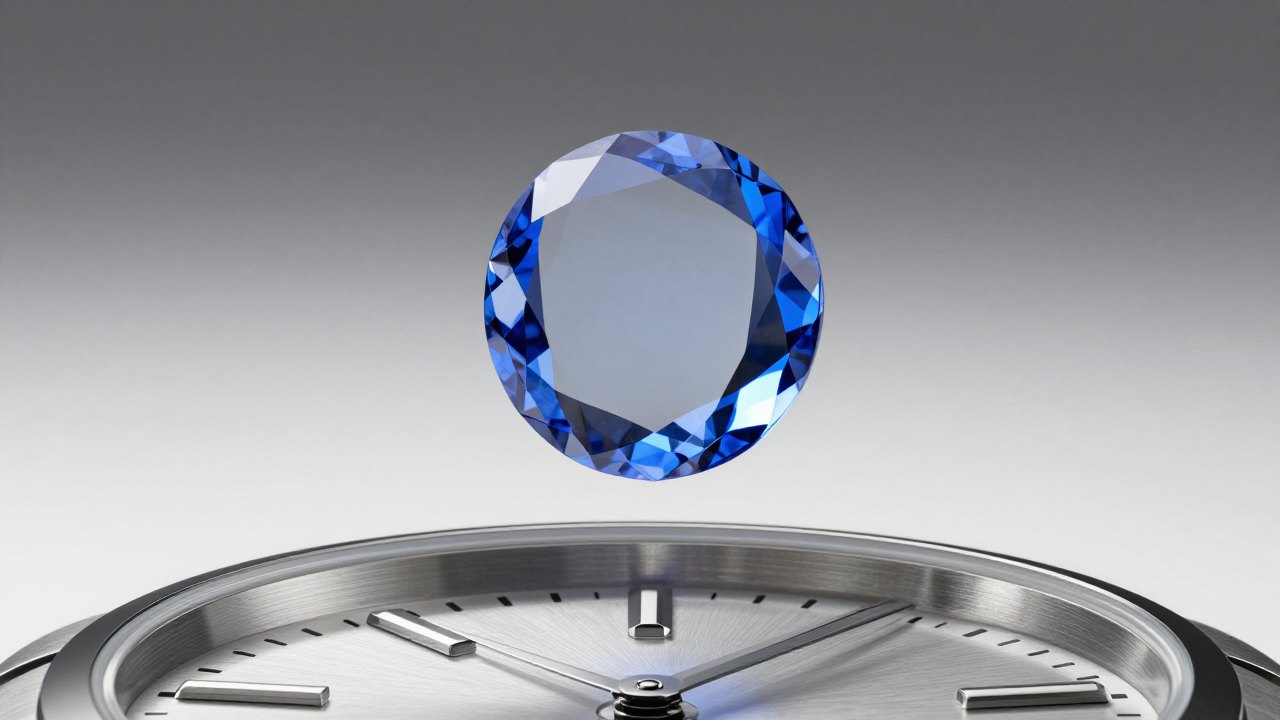
The most common mistake is treating "sapphire" as one commodity. Buyers spec hardness at Mohs 9, pick a diameter, and then shop on price per piece — ignoring growth method, internal strain, coating…
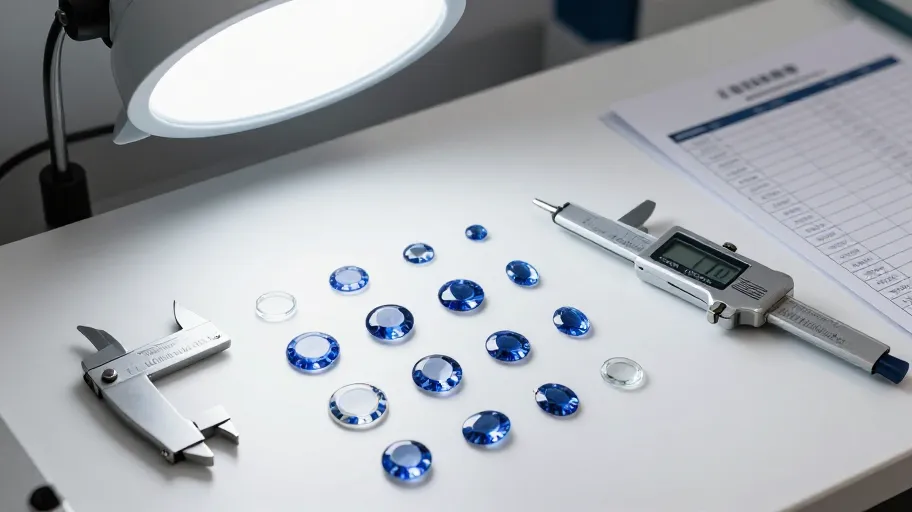
Photographs cannot tell you how a sapphire watch glass will behave in production, inspection or after assembly. To compare a sapphire watch glass supplier properly, request physical samples from every candidate, inspect them under controlled conditions using the same checklist, document every observation, and ask each supplier to confirm attributes and policies in writing before you approve a quotation.
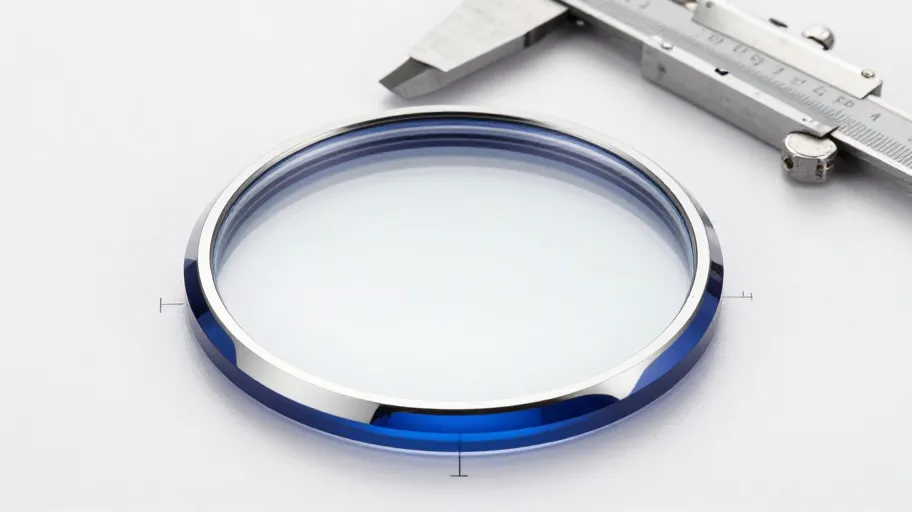
The tolerance measurements missed in a first sapphire crystal brief are the ones that define fit rather than appearance: seat and gasket interface geometry, chamfer angles and edge finish, flatness on large diameters, datum references, and how each dimension will be measured at inspection. Using a structured gate — we call it the DIMEN-Spec Gate — before releasing a drawing lets engineers, sourcing managers and repair buyers document every measurement, agree inspection methods, and approve the brief with the supplier in writing.
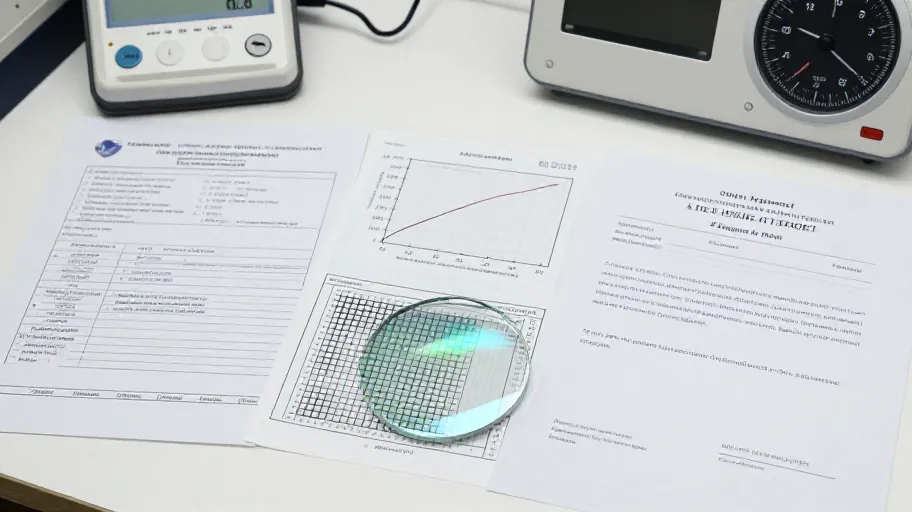
An anti reflective sapphire crystal coating deserves sign-off only when four pieces of evidence sit in your file: the coating type and configuration you selected, the optical behaviour documented against agreed reference conditions, adhesion and durability test records generated for your project, and the written terms of approval that state what triggers requalification. A named framework helps you assemble that pack before you sign. Below, the C-O-A-T Evidence Framework gives you a repeatable structure, a decision table for configuration choices, and the approval questions that turn a supplier conversation into a documented decision.


Not all sapphire crystals are created equal—especially when sourcing from sapphire crystal China factories. Learn how growth methods, optical specs, and traceability separate reliable components from field failures.
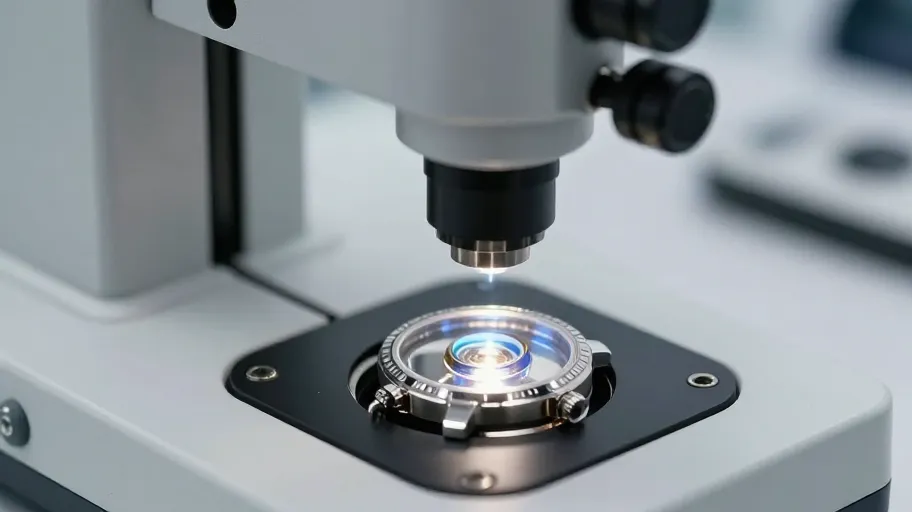
One final check before signoff can slash defect rates by up to 70%. For luxury watches, pre-signoff verification isn’t just quality control—it’s brand protection. Here’s how leading sapphire crystal manufacturers get it right.
Page 10 of 50
