';

NEWS CENTER

Pioneer and leader in the same industry

How to Specify a Custom Sapphire Watch Crystal

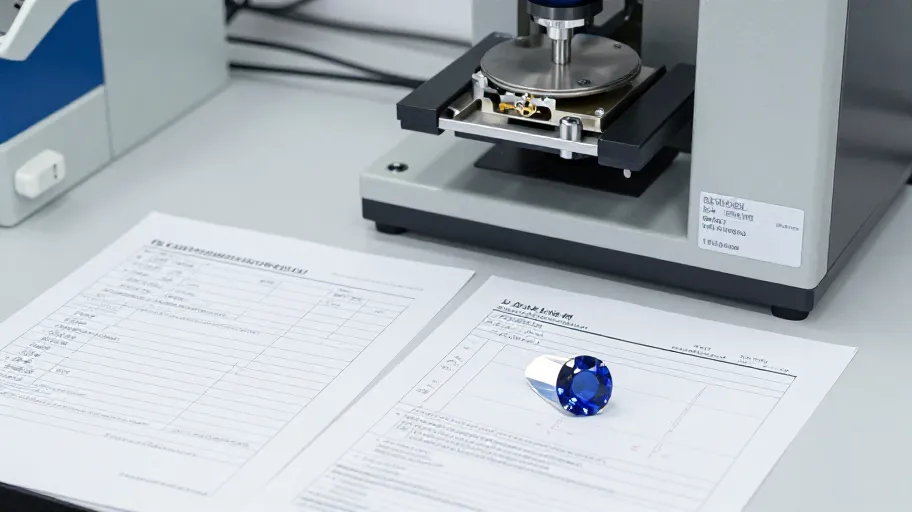
To specify a custom sapphire watch crystal effectively, you must translate your aesthetic design into precise engineering parameters that a manufacturer can execute without ambiguity. This involves defining geometry, material thickness, optical coatings, and dimensional tolerances within a standardized technical drawing or data sheet. By treating the crystal as a precision mechanical component rather than a generic accessory, procurement managers can eliminate quotation errors and accelerate the sampling phase.

How to Compare Sapphire Watch Crystal Manufacturers

Selecting a partner for your timepiece requires moving beyond price lists and sample aesthetics. For procurement teams, the core objective is to mitigate supply chain risk by validating a supplier's technical capability and process control. You must verify that a sapphire watch crystal manufacturer can consistently meet your specific tolerances, optical standards, and delivery schedules through documented evidence rather than sales assurances.

Flat, Box-Type or Domed Sapphire Watch Glass?

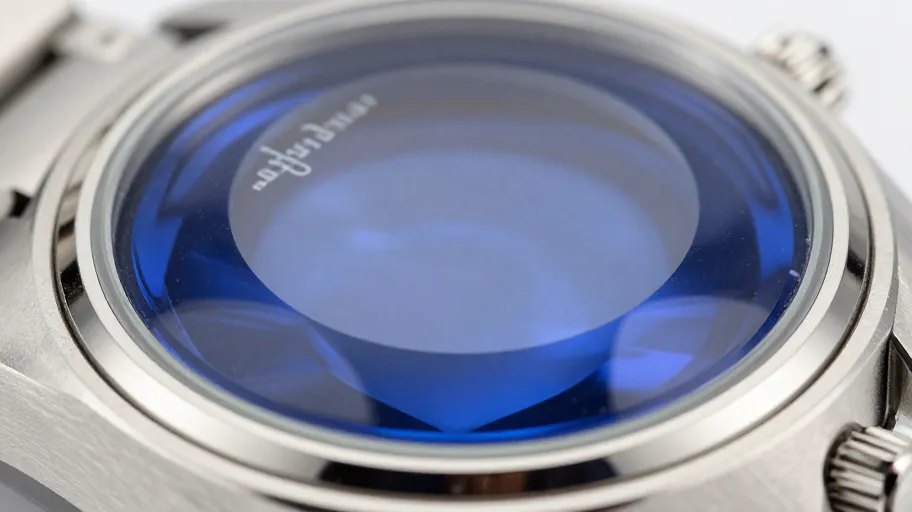
Selecting the correct sapphire crystal geometry is a foundational decision that defines a watch’s visual identity, durability, and price point. For sourcing managers and product developers, the choice requires balancing the desired aesthetic against engineering constraints like water resistance and manufacturing yield. By analyzing the specific utility of flat, box-type, and domed configurations, buyers can align their component specification with their brand positioning without compromising technical integrity.

At 11:47 p.m. on a Tuesday in November 2023, a watch repair shop owner in Tucson, Arizona, sent us a photo that stopped me mid-scroll.…

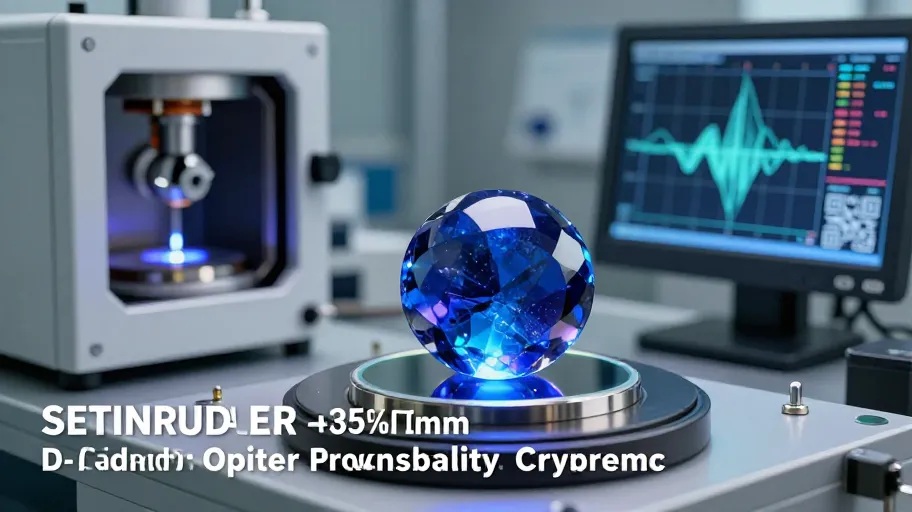
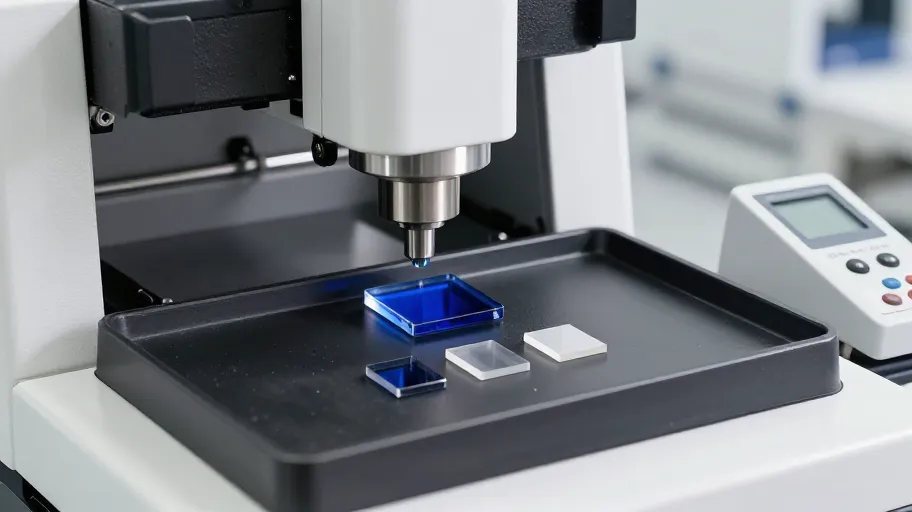
Chinese sapphire factories don’t just make crystals—they guarantee them. With AI-driven inspection and real-time metrology, every slab meets sub-micron specs before it leaves the plant. Here’s how they do it—and why your next phone screen depends on it.

China controls the future of sapphire watch crystals—not just by growing better stones, but by redefining what premium means. Here’s how synthetic sapphire from Chinese factories outperforms nature and powers global watch brands.

A single flawed sapphire crystal can trigger recalls, delays, and brand damage. Here’s how leading watchmakers vet Chinese suppliers beyond price. It’s not about finding the cheapest option—it’s about ensuring consistency, clarity, and long-term reliability.

How to Specify a Custom Sapphire Watch Crystal

To successfully procure a custom sapphire watch crystal that fits perfectly and performs reliably, you must move beyond basic dimensions and define a comprehensive technical specification that covers geometry, optical grade, and surface treatment. By utilizing a structured framework to document these attributes, you ensure the manufacturer can engineer a component that aligns strictly with your case design and performance standards.

How to Compare Sapphire Watch Crystal Manufacturers

Selecting a sapphire watch crystal manufacturer requires a shift from price-based shopping to capability-based auditing. For procurement teams and product developers, the risk of sourcing sub-standard synthetic sapphire extends beyond immediate aesthetics to long-term durability and brand reputation. To effectively compare suppliers, you must move beyond marketing claims and demand evidence of process control, vertical integration, and quality assurance. The most reliable partner is not necessarily the one with the lowest unit price, but the one who can transparently document their material origin, dimensional consistency, and defect management protocols.

Flat, Box-Type or Domed Sapphire Watch Glass?

Selecting the correct crystal geometry is a foundational decision in watch development that dictates the timepiece’s aesthetic personality and engineering parameters. Flat, box-type, and domed sapphire watch glass types each offer distinct advantages regarding visual hierarchy, water resistance integrity, and dial legibility. For sourcing managers and designers, the choice requires balancing the desired vintage or modern profile against the practicalities of case sealing and manufacturing yield.