Pioneer and leader in the same industry
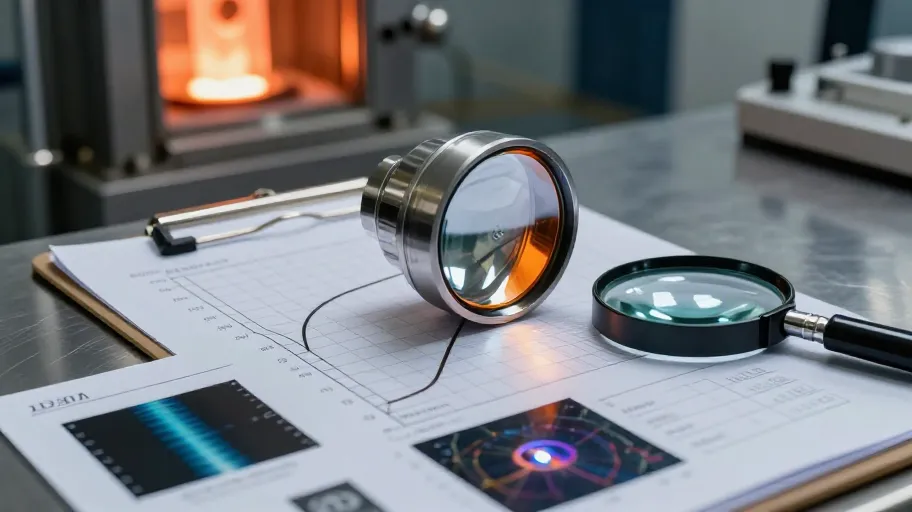
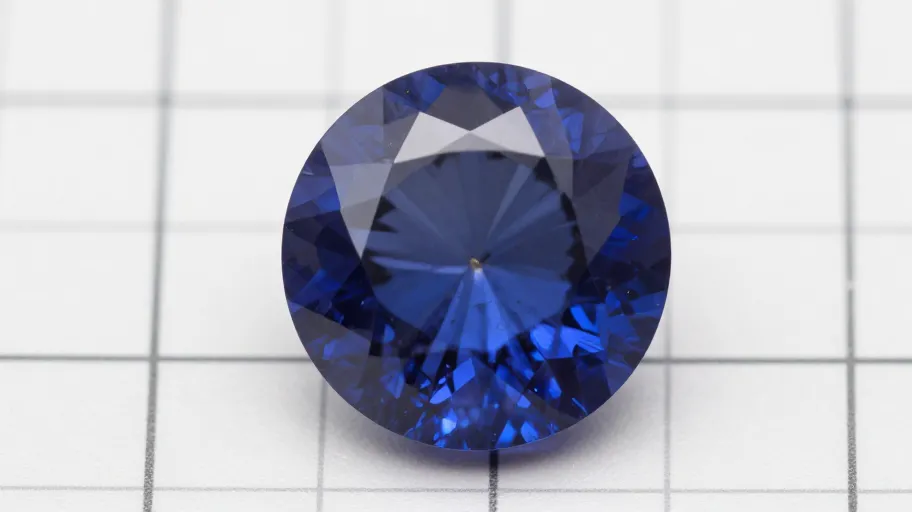
Synthetic sapphire price for custom watch crystals is driven by your specification, not by a fixed market rate: diameter, thickness, dome profile, coatings, hole drilling, edge treatment, marking, packaging and the tolerance band you require each shift cost. The practical way to control it is the SPEC–SAMPLE–SIGN model — define every spec element, qualify the part through samples, and approve in writing before sign-off. Buyers who document all three gates compare quotes on equal terms and avoid paying twice for ambiguity.
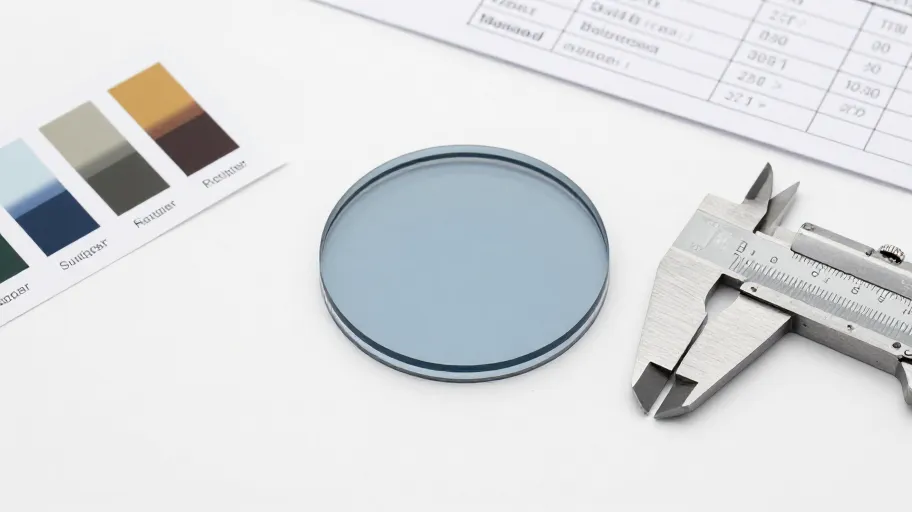
Synthetic sapphire lens price is not a single figure you can look up — it is the output of your specification. Diameter, thickness profile, dome or flat geometry, hole drilling, edge finish, coating type and quality acceptance terms each move the quote independently. To price accurately, freeze your drawing, request quotes against an identical spec from each supplier, qualify through samples, and approve against documented gates. Confirm the current policy directly on any commercial term.
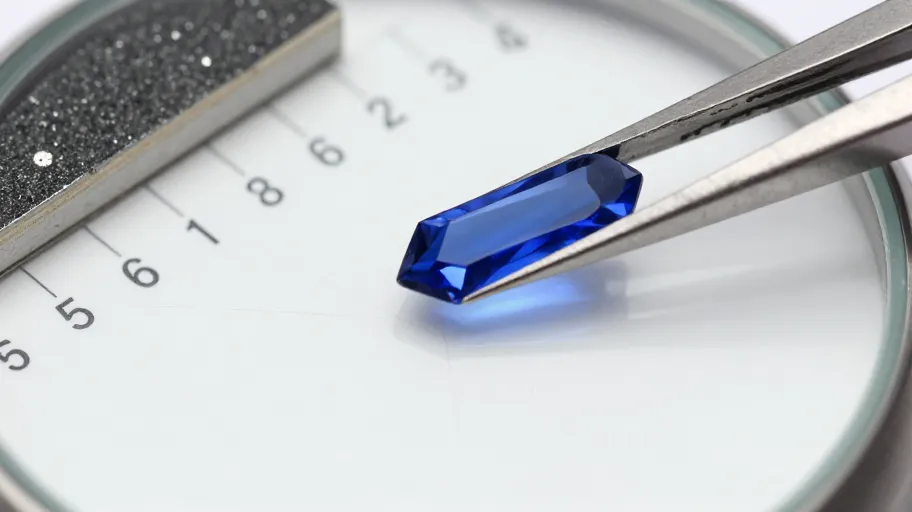
No — ordinary steel cannot scratch genuine sapphire glass under normal contact. Sapphire (synthetic corundum) sits near the top of the Mohs scale at 9, while hardened steels fall between roughly 5 and 8 depending on alloy and heat treatment. Only harder materials — such as diamond, silicon carbide or certain ceramics — scratch sapphire in practical use. What a buyer must verify is that the delivered crystal is genuinely sapphire and that its coatings and edges are specified correctly.
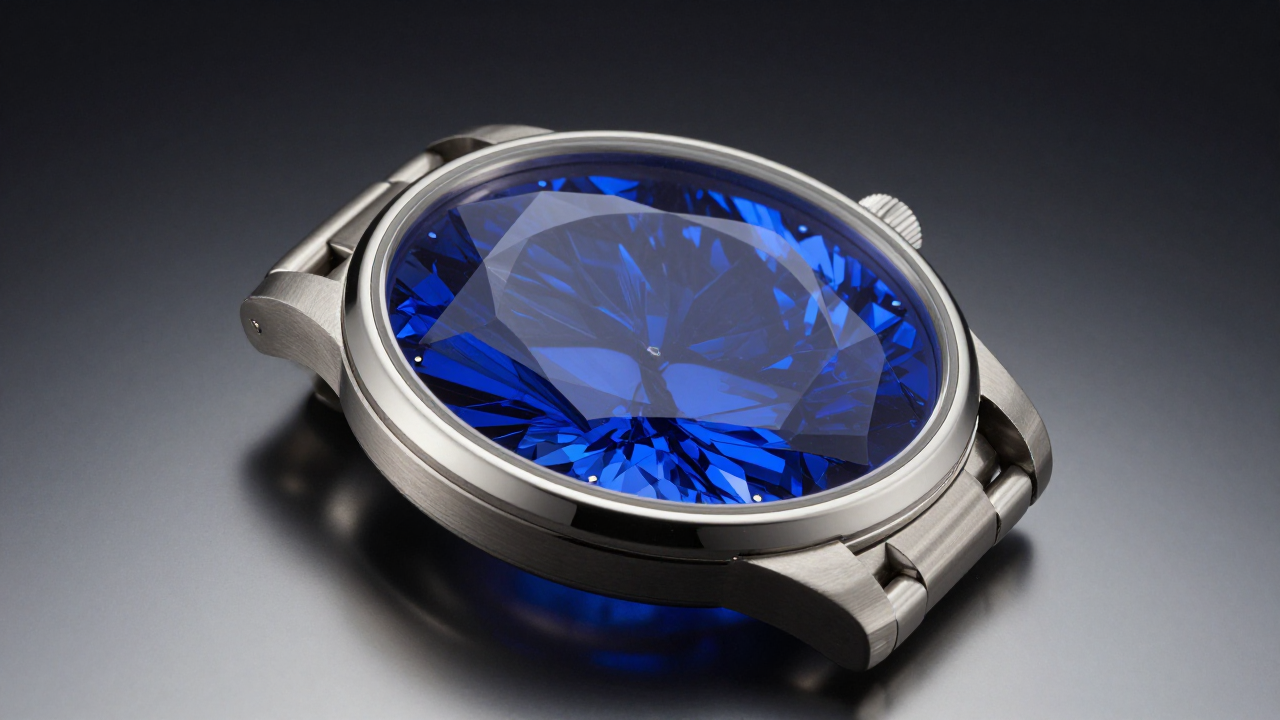
Pick the supply model before you pick the brand. For programs above 10,000 units retailing under $300, a vertically integrated Shenzhen or Hong Kong optics house wins on landed cost and tooling speed.…
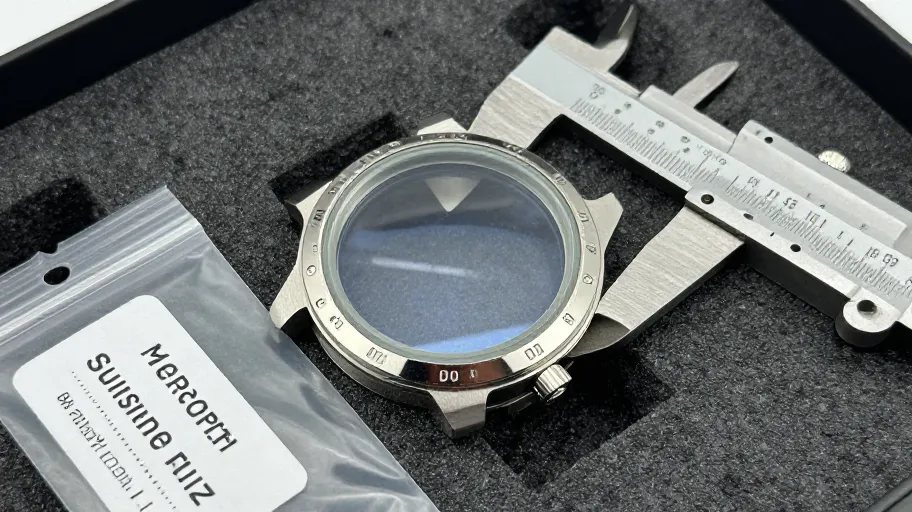
Before a sapphire watch glass supplier can quote accurately, you need to provide a complete drawing with dimensions and tolerances, the case reference and sealing method, the required coating or surface treatments, crystal shape and features, approval and inspection requirements, and your packaging and delivery expectations. Missing any of these forces the supplier to quote wide or guess.
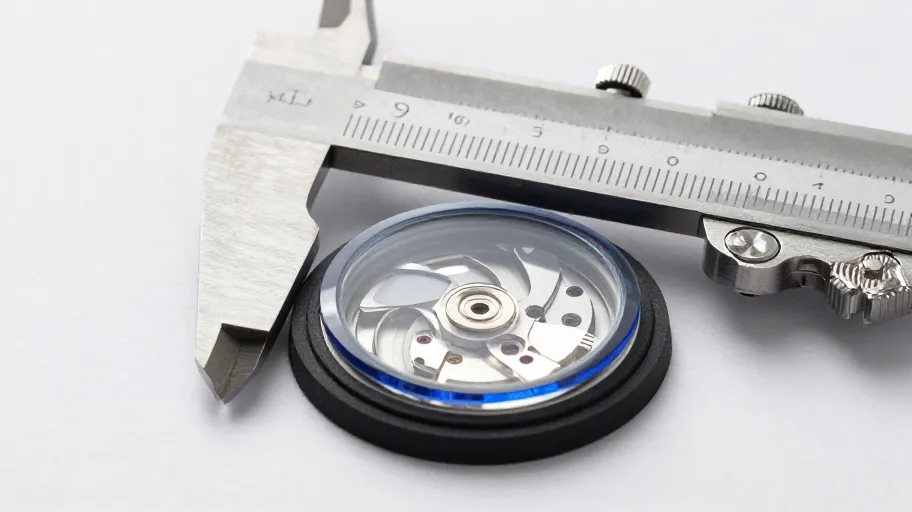
A photograph of a sapphire crystal tells you almost nothing about whether it will press into the case, seat against the gasket, or pass inspection at assembly. Lighting hides edge chips, camera angles flatten curvature, and no image carries a measured dimension. To compare crystal samples for a sapphire crystal tolerance watch project, evaluate each submission against the drawing — Dimension, Reference, Acceptance, Watch-case fit, Documentation (DRAW-C) — using measured values, not visual impressions.
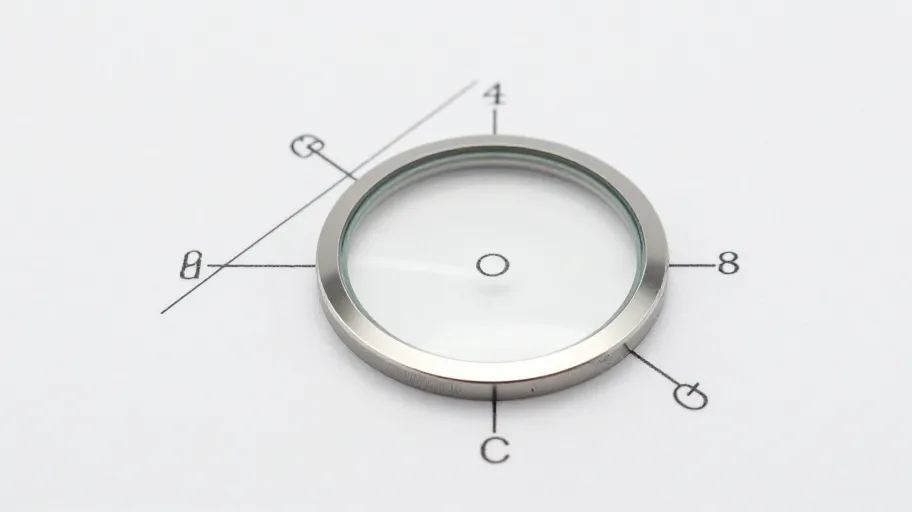
A first brief for a custom sapphire watch crystal tends to cover the obvious diameter and thickness while missing the measurements that determine fit, sealing and optical performance. These include the crystal seat geometry, gasket or adhesive interface, chamfer and edge profiles, curvature, coating requirements and print or logo positioning. Preparing these dimensions before first contact reduces clarification loops and lets a supplier assess manufacturability in one pass. The Crystal Brief Completeness Check below organises what to prepare across three dimensions of readiness.
Page 4 of 50
