Pioneer and leader in the same industry
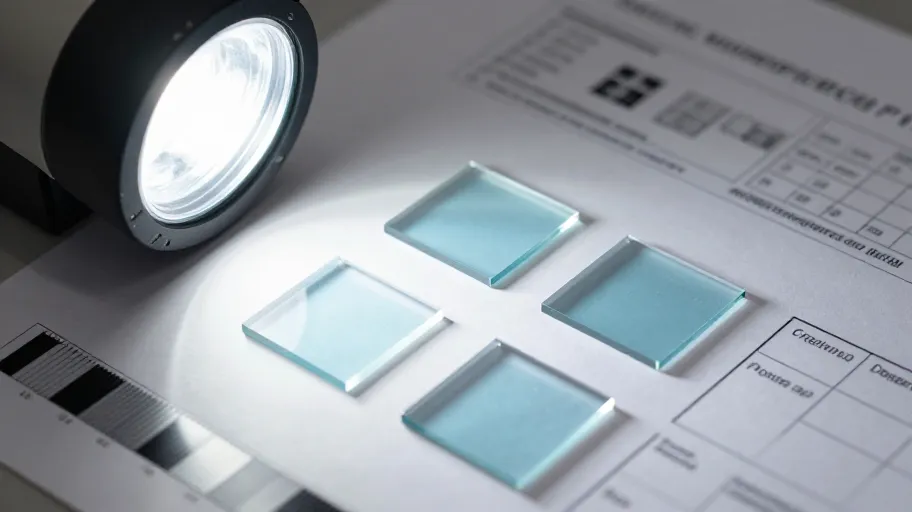
Comparing anti reflective sapphire crystal coating samples requires controlled lighting, defined viewing angles and written acceptance criteria — because photographs cannot capture colour shift, reflection behaviour at oblique angles, or coating build quality. Build your comparison around a structured gate, document what you see, and only then confirm a coating specification with your supplier.
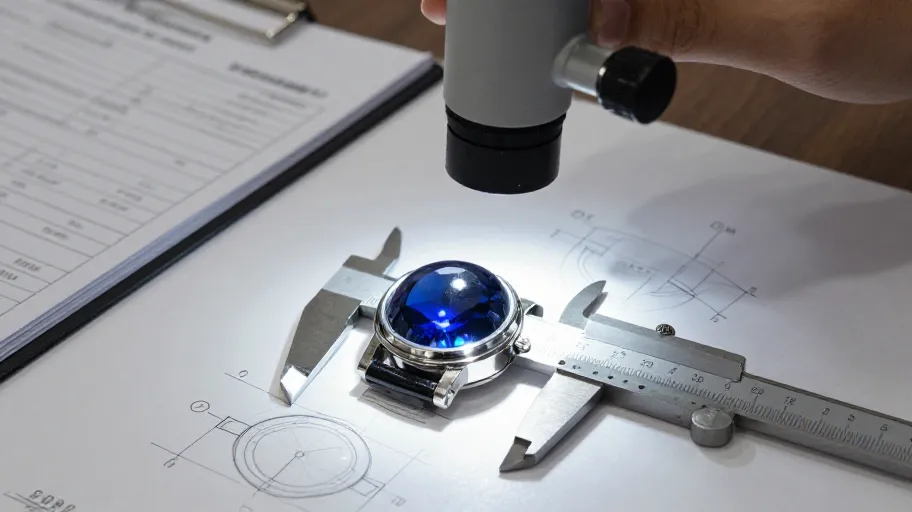
The first sample of a domed sapphire watch glass should be checked in four passes: confirm the curvature against your drawing, verify dimensions at the edge and seat, inspect optical appearance under controlled light, and demand process documentation before approving tooling. Approve nothing you have not measured and documented.
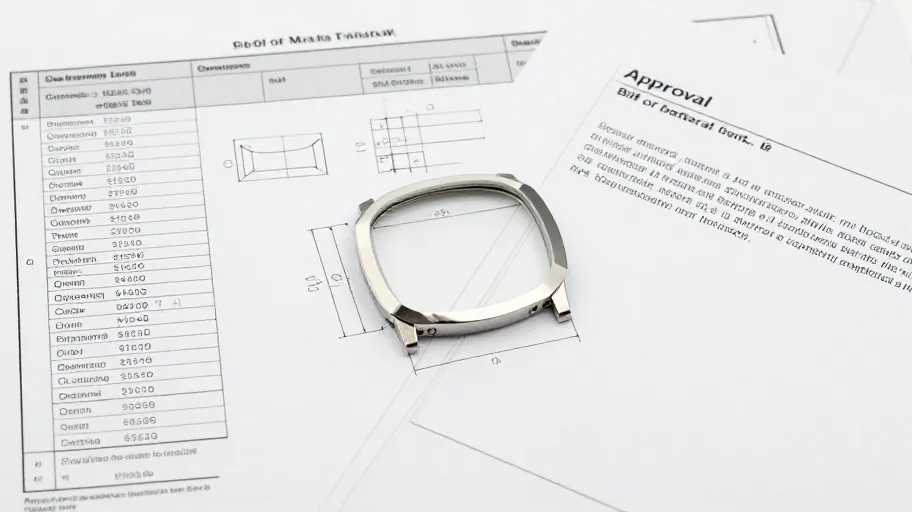
When you order a custom sapphire watch crystal, three documents carry the specification: the drawing defines geometry and finish, the BOM defines material and commercial line items, and the approval notes define what "accepted" means. Buyers who separate these documents cleanly avoid most rework. The DBA completeness framework — Drawing, BOM, Approval — gives each detail one unambiguous home and one owner before anything is quoted or sampled.
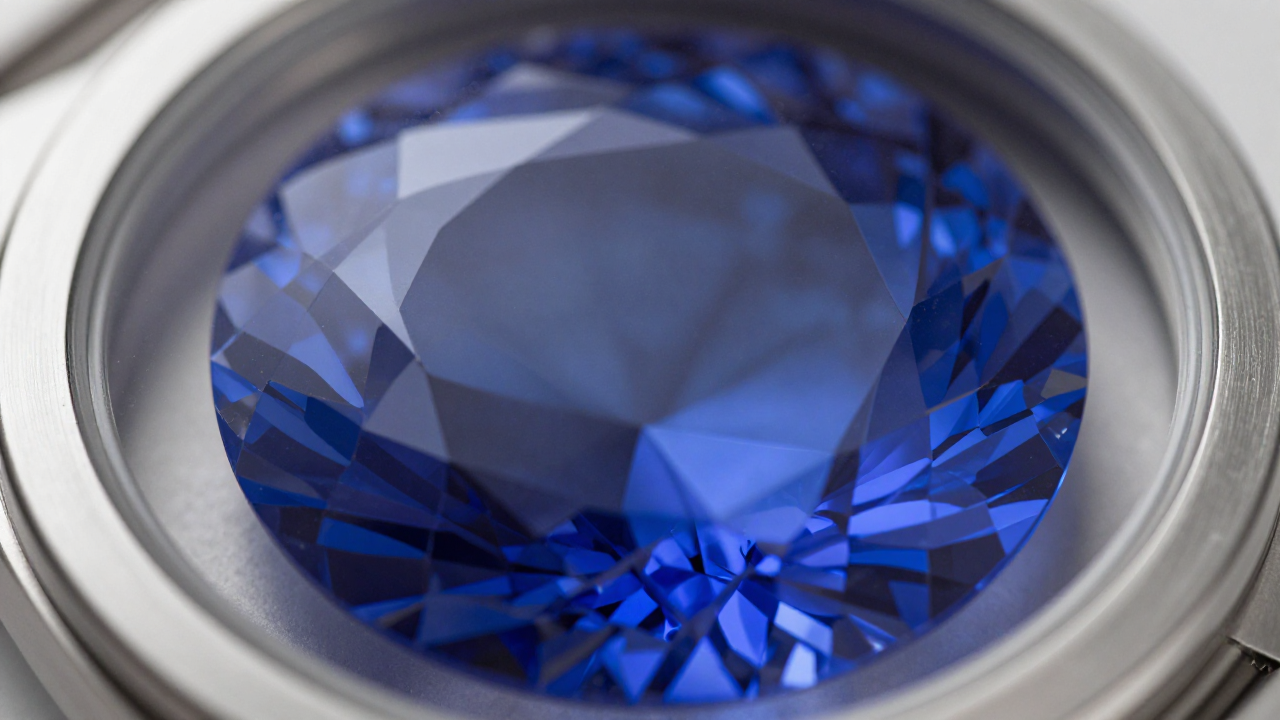
A sapphire watch crystal is a transparent, scratch-resistant cover made from synthetic sapphire, used to protect the watch dial and enhance its appearance.…

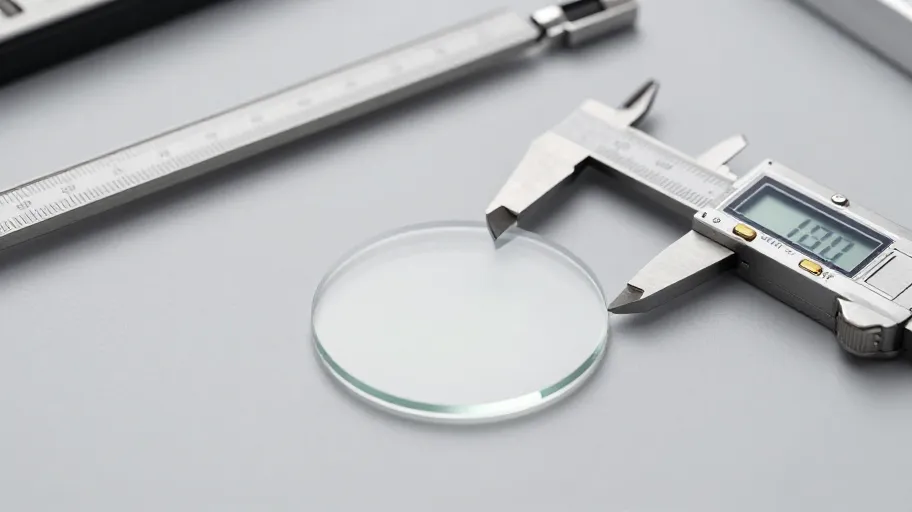

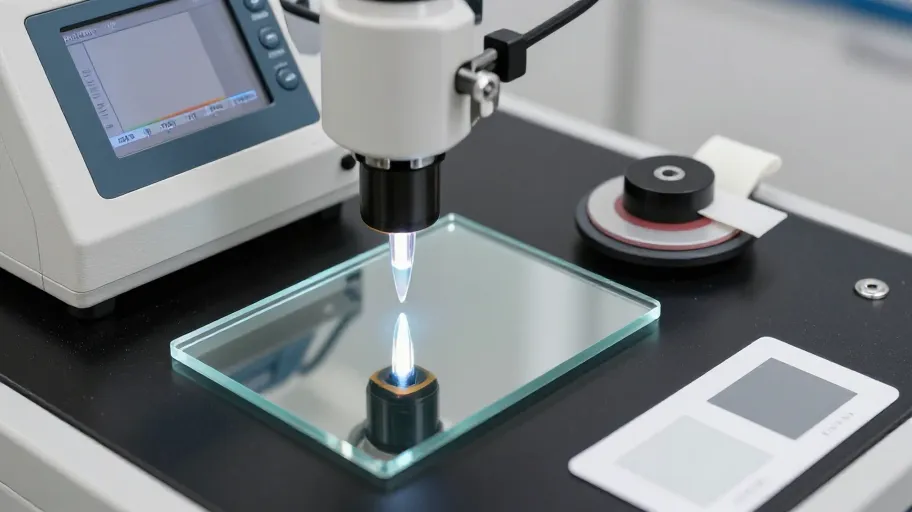
An anti reflective sapphire crystal coating brief is complete only when it defines reflectance targets per surface, which side carries the coating, the wavelength band the coating must cover, and the test methods used to verify adhesion, abrasion and visual colour. Most first briefs stop at "AR coating, clear finish" — and that gap is where re-quotes begin.
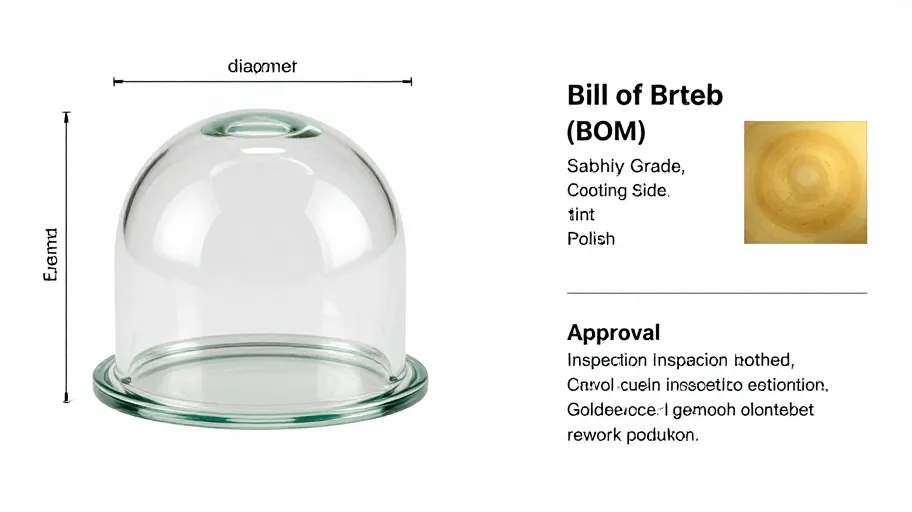
A domed sapphire watch glass order succeeds or fails on documentation, not on the material itself. Put geometry in the drawing (diameter, dome height, radius or profile, reference plane, edge treatment), material and finish in the BOM (sapphire grade, coating side, tint, polish), and acceptance criteria in the approval notes (inspection method, sample photos, golden sample, rework protocol). Anything left verbal becomes a dispute later.
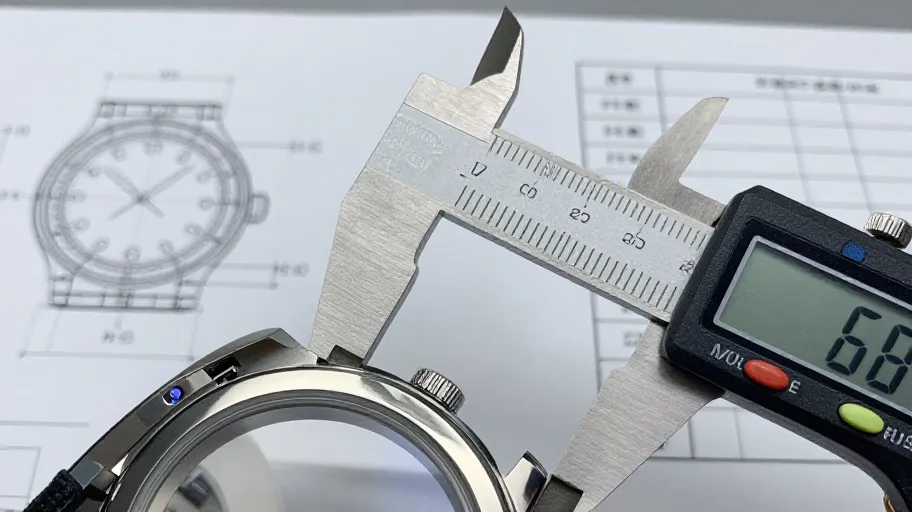
The first sample of a custom sapphire watch crystal should be checked against five things before you approve anything: drawing match, surface and finish quality, edge geometry and fit, assembly integration, and documented records that prove the sample can be repeated at volume. Approving on look and feel alone is where most crystal problems start. Measure, document, and get your acceptance criteria in writing.
Page 2 of 24