Pioneer and leader in the same industry
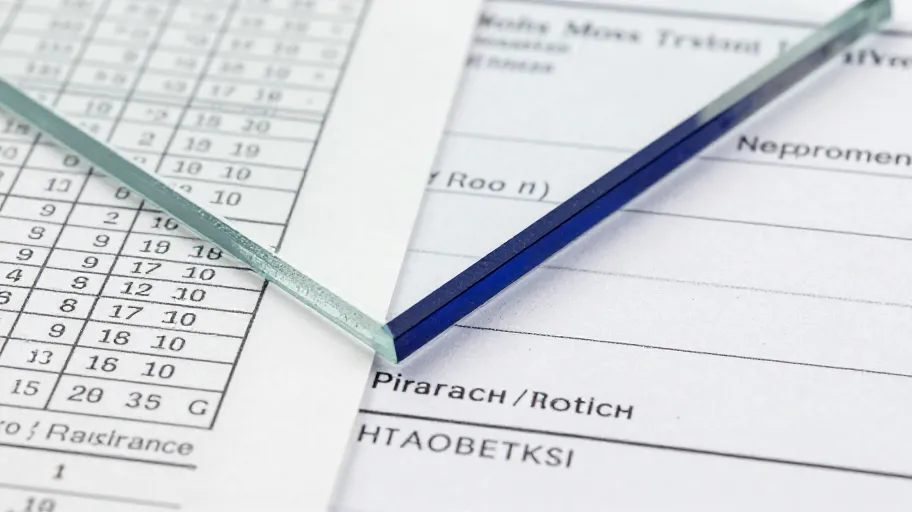
Sapphire crystal ranks at 9 on the Mohs hardness scale, below only diamond, so it resists scratching from nearly all everyday materials a watch will encounter. But hardness alone is not a purchase specification. Serious scratches can still come from harder abrasives, and coatings and edge quality affect real-world performance — so buy against documented specs, sample tests and written sign-off criteria.
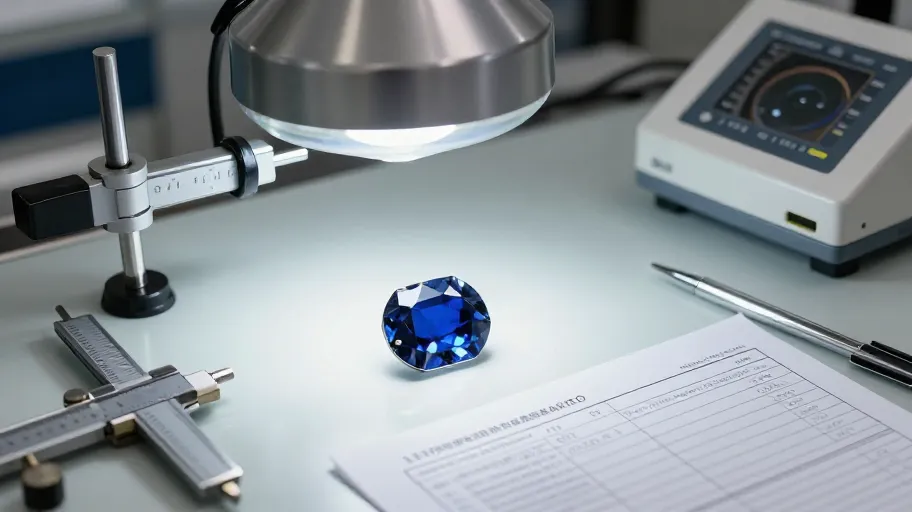
Calling a sapphire watch crystal manufacturer "the best" is a category error. For a private-label project, the best supplier is the one whose production evidence, engineering dialogue and approval documentation survive your verification process for your case shape, your volumes and your launch calendar. Use a structured vetting framework — Capacity evidence, Layer and coating verification, Engineering dialogue, Approval documentation, Reporting cadence, then Vet with a sample and pilot order — to convert an opinion into a documented decision.
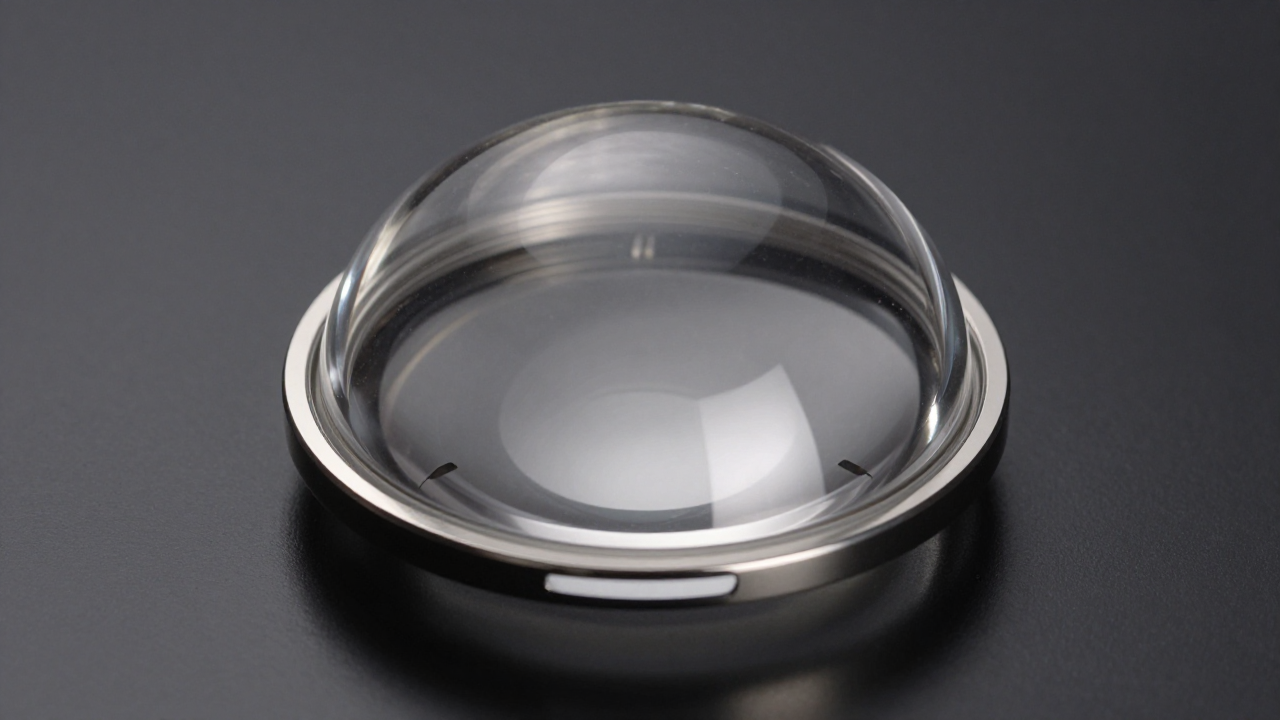
A sapphire watch crystal is a transparent cover made from synthetic sapphire, a crystalline form of aluminum oxide with a Mohs hardness of 9.…
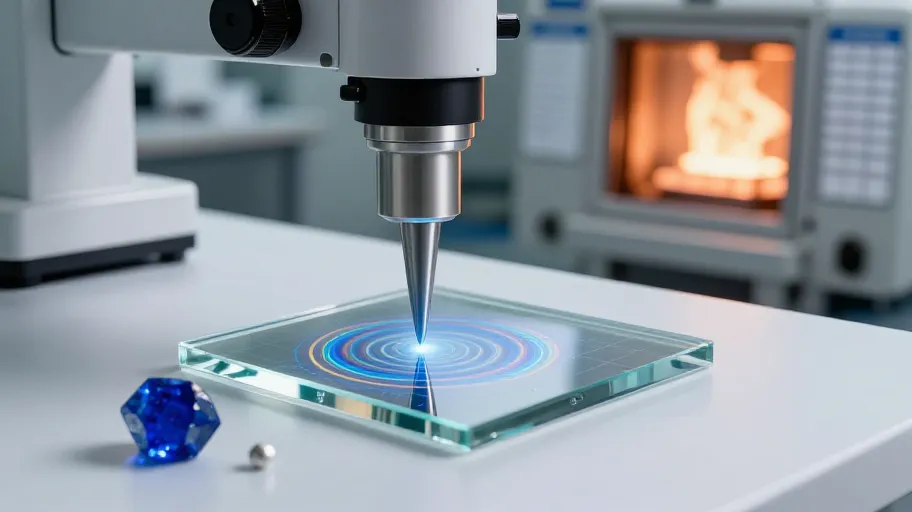
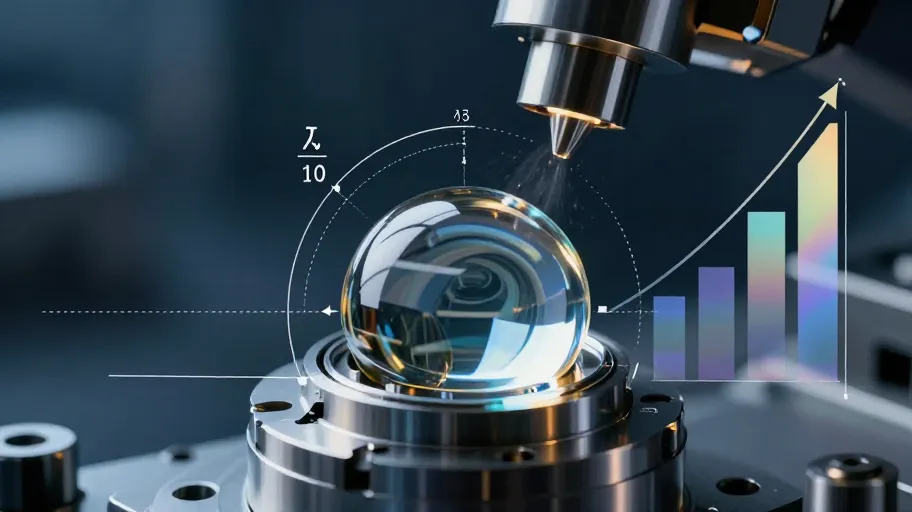
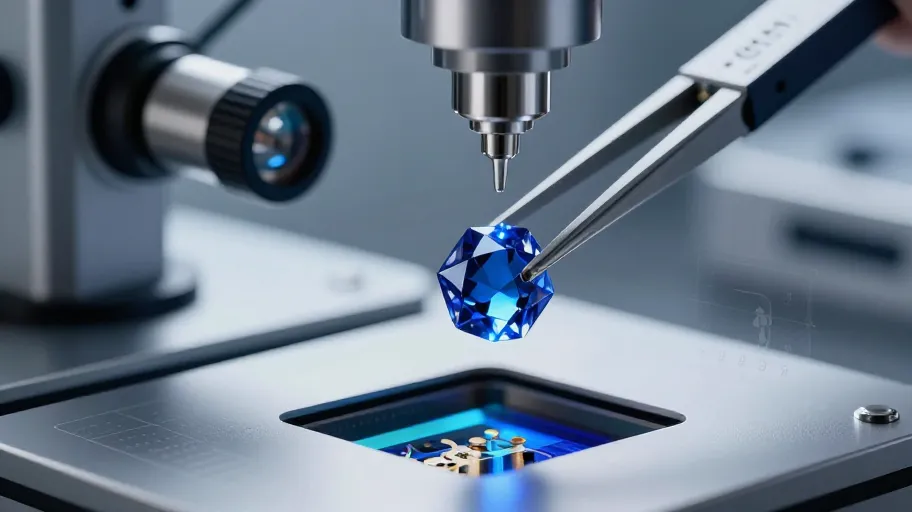
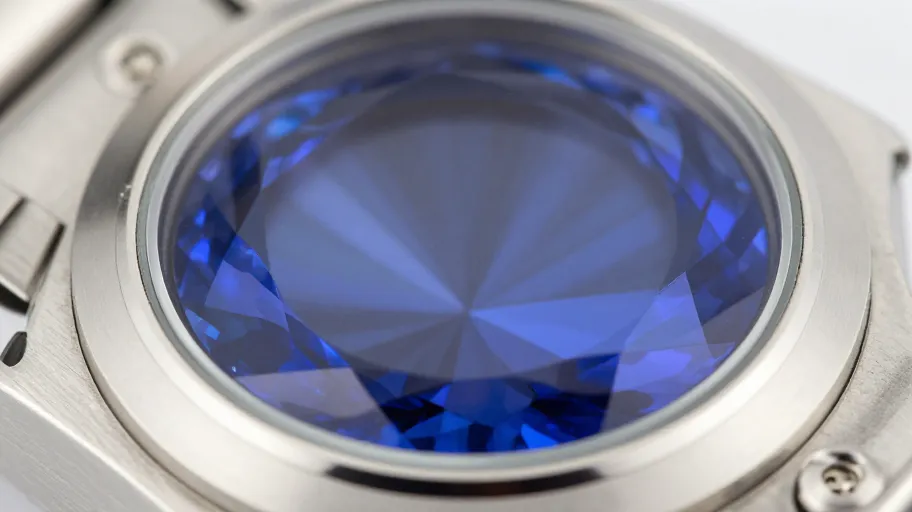
A sapphire watch crystal is a single-crystal synthetic sapphire (corundum) part, cut, ground, polished and — where specified — coated, to serve as the transparent cover glass of a watch. For B2B buyers, the hard part is not the material but the process: specifying geometry, finish and coatings precisely enough to compare quotes, then running a documented sample approval before production. This guide gives you a framework for both.
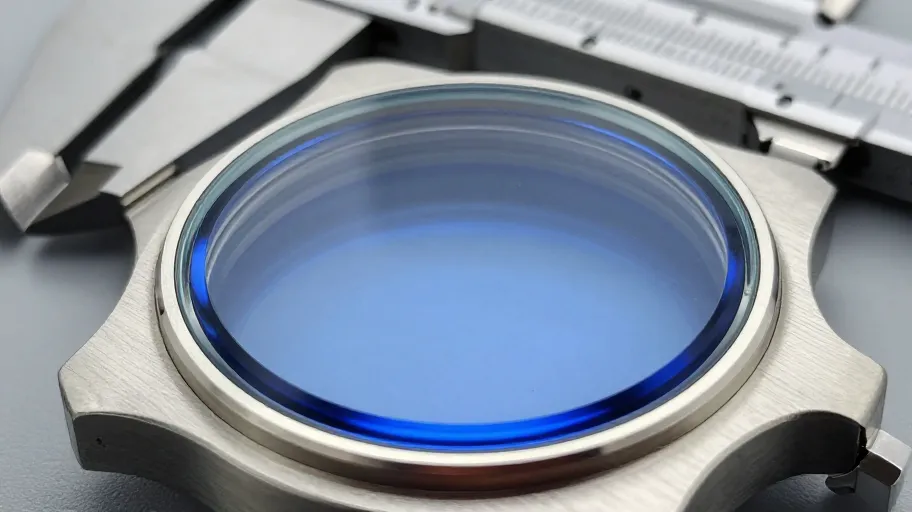
How much does a sapphire crystal cost for a watch? For a B2B buyer, there is no single answer: the price of a custom sapphire watch crystal is determined by the specification you fix — geometry, thickness profile, coatings, edge finish, tolerances, printing and order quantity — and by the supplier's sample and tooling terms. The right first step is not to chase a number; it is to lock a complete specification so every supplier quotes against the same drawing.
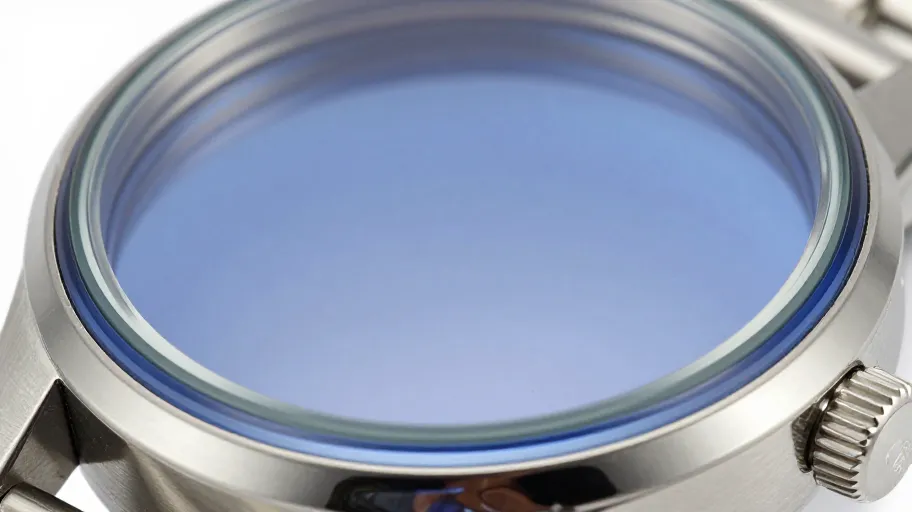
Yes — many watches use sapphire crystal, meaning synthetic sapphire (single-crystal aluminium oxide) grown, cut and polished for watch applications. For a buyer, the real question is not whether it exists but how to specify it, sample it and approve it so that what arrives matches what was quoted. This guide gives you that process.
Page 7 of 50
