Pioneer and leader in the same industry
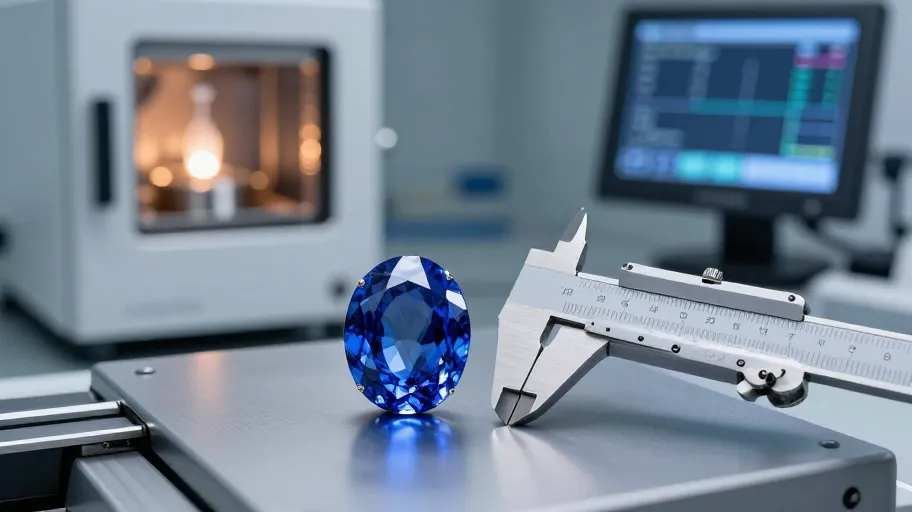
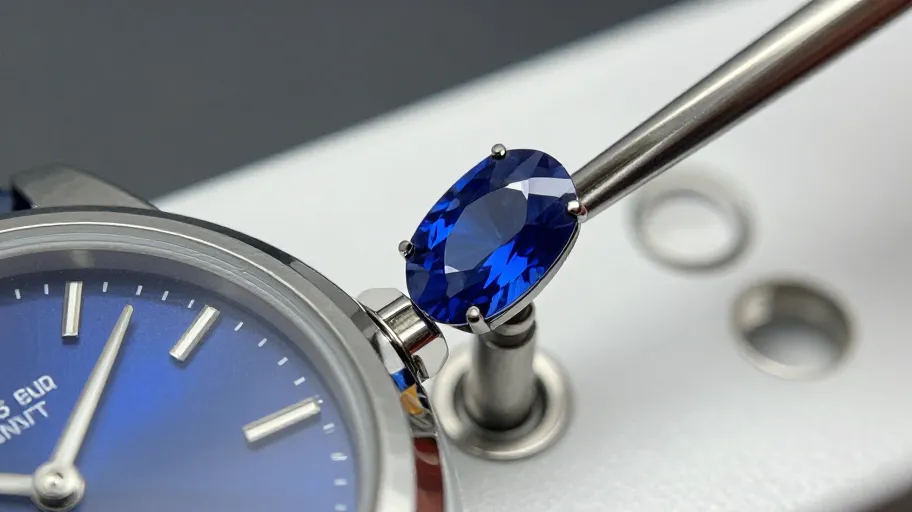
Sapphire watch crystal benefits for a B2B buyer come down to four verifiable properties: extreme surface hardness that resists scratching in daily wear, optical clarity that keeps a dial legible, chemical and thermal stability across plating and assembly processes, and dimensional consistency when a crystal must seal against a gasket. Whether those benefits materialise in your programme depends on spec alignment, sample evaluation and a documented approval — all of which you control.
Sapphire crystal watch price is driven by five controllable levers: the crystal's shape and dimensional spec, coatings, the sample approval process, logistics arrangements, and the quality evidence you require. Two drawings that look identical can produce different quotations because of coating choices, gasket-fit tolerances, dome geometry and inspection scope. This guide gives you a framework to define each lever before you request a quote — so you compare prices against documented specs rather than assumptions.
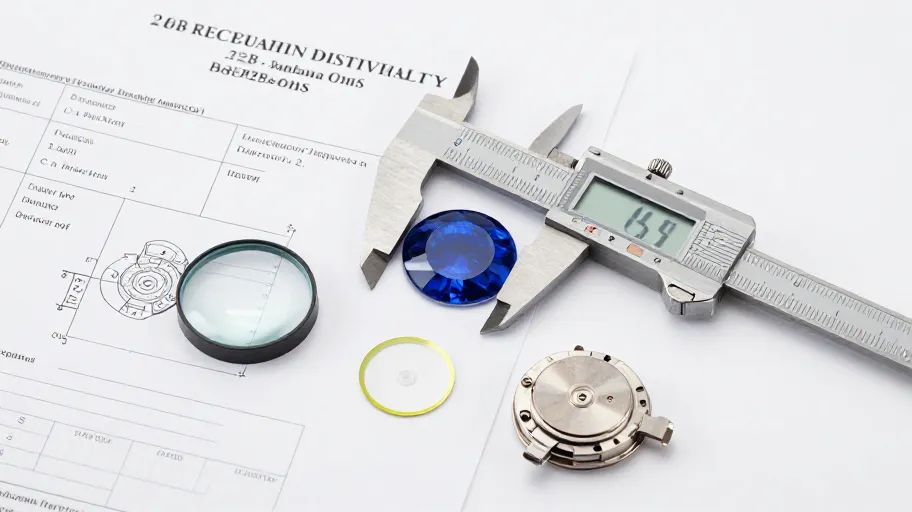
There is no single answer to "how much does it cost to replace a sapphire watch crystal?" in a B2B context, because a replacement crystal is quoted against your specifications: geometry, coating, finish, quantity and approval protocol. Cost is settled by a documented spec package and a supplier quotation you verify and approve — not by a published rate.
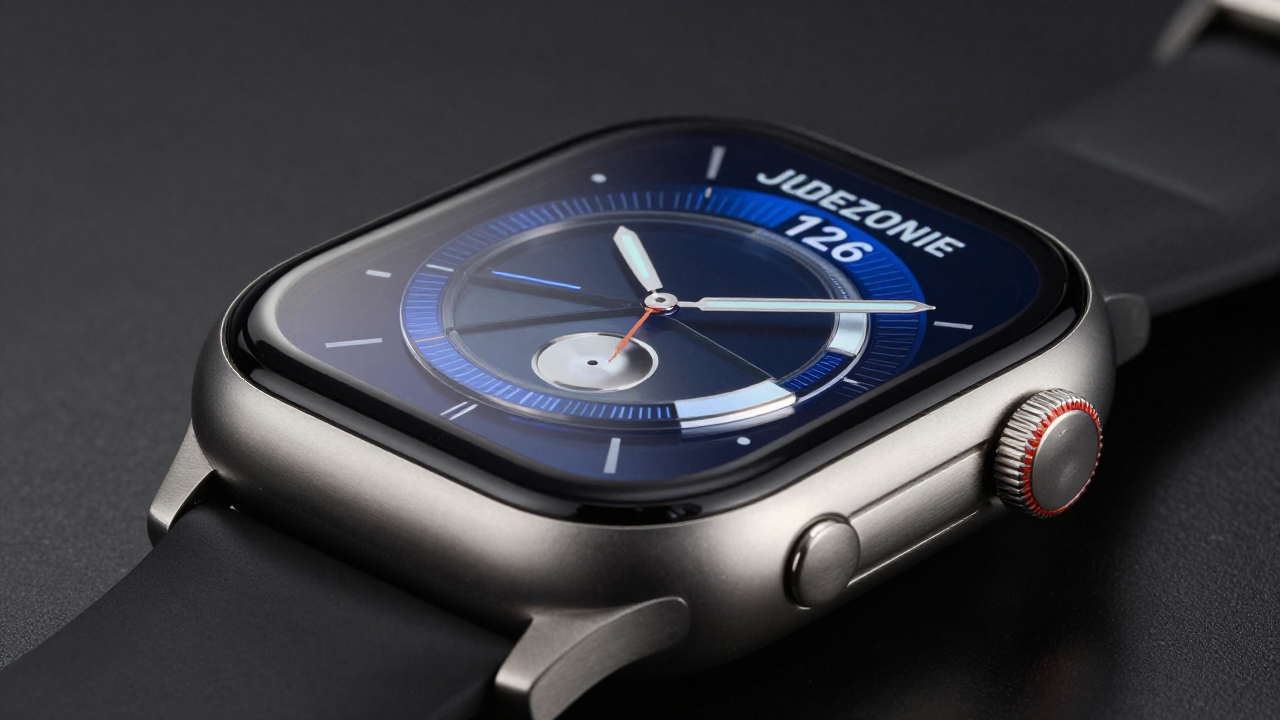
The biggest change in 2026 is that the sapphire watch crystal is now a baseline specification on watches under $500, and the manufacturing cost of producing one has fallen far enough that no brand…
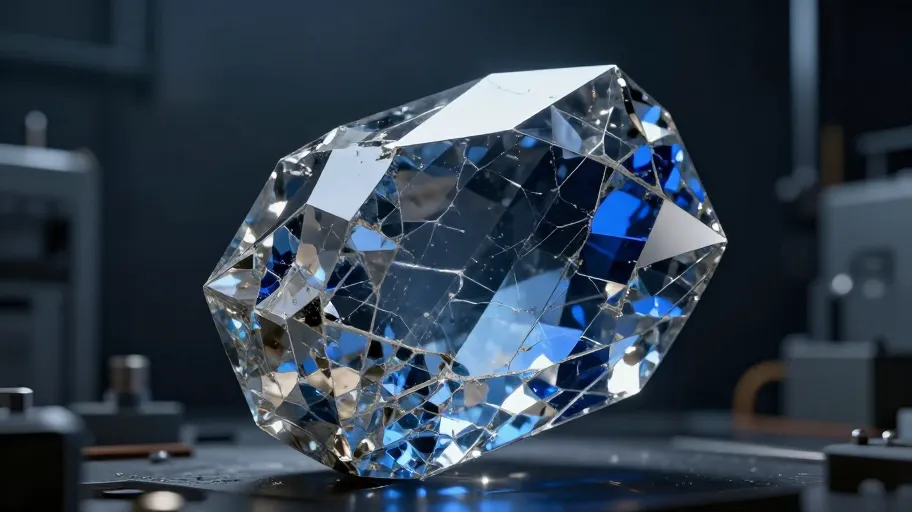

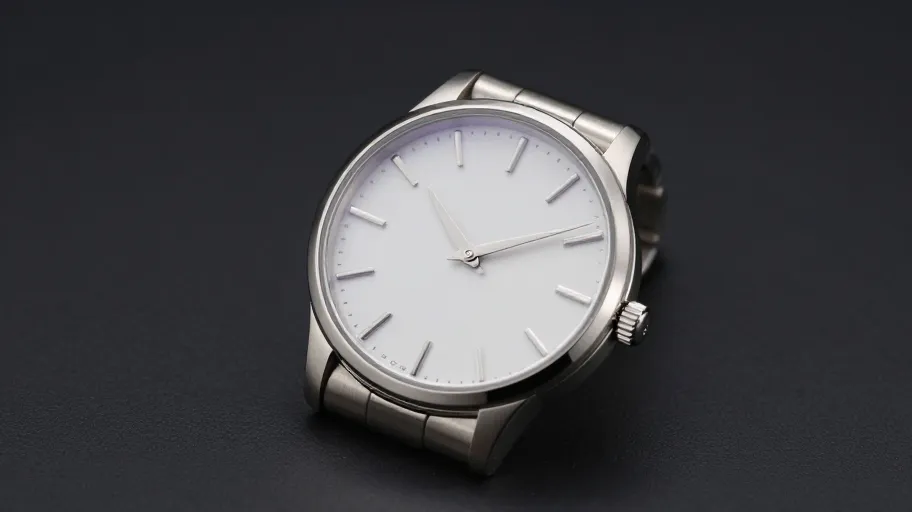
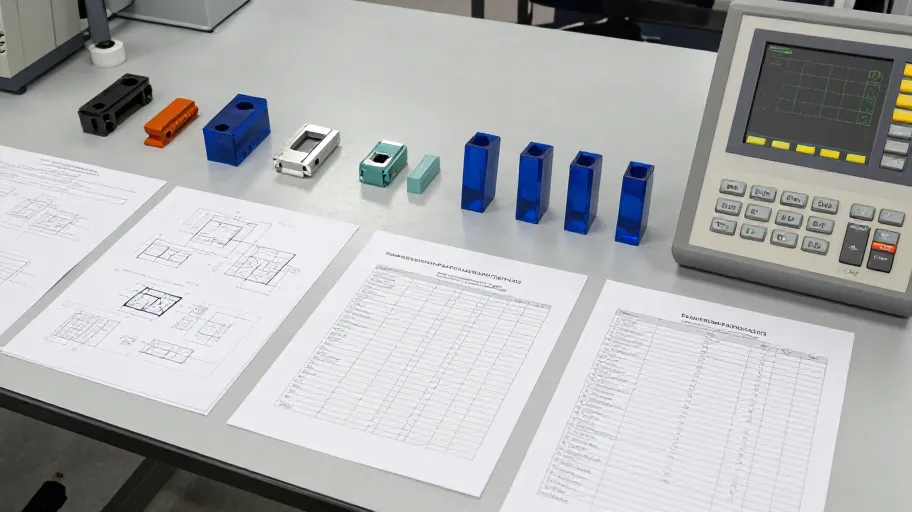
A credible sapphire crystal manufacturer is judged on evidence, not claims: verify process capability against your drawing, confirm how artwork and geometry are locked before tooling, inspect their control documentation, and test their revision discipline during quoting. Use the CAPA framework below to score every candidate before approving tooling spend.
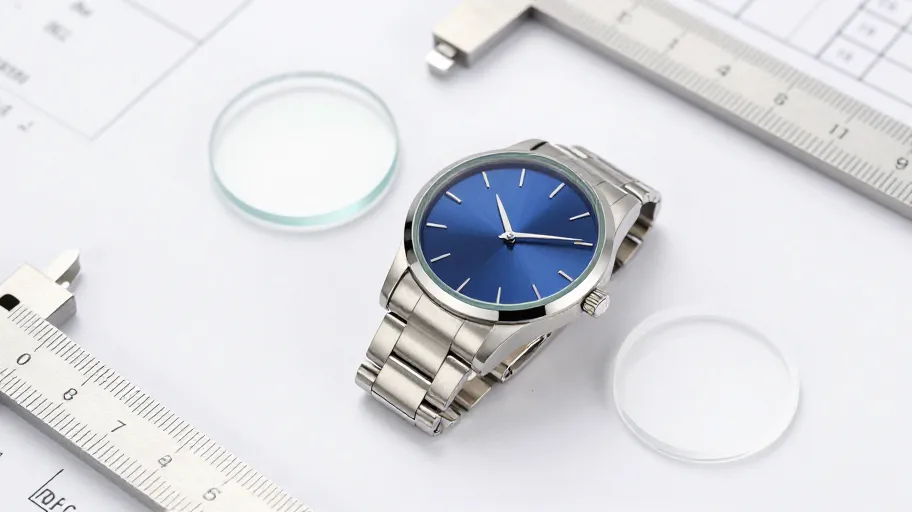
A sapphire crystal watch is more expensive than watches with alternative crystals, but for a buyer the real question is what drives the price of your specification: geometry, coating, finishing and approval rework — not the material alone. Control cost by locking specifications, verifying through samples, and gating release on documented approval.
Page 11 of 41
