Pioneer and leader in the same industry
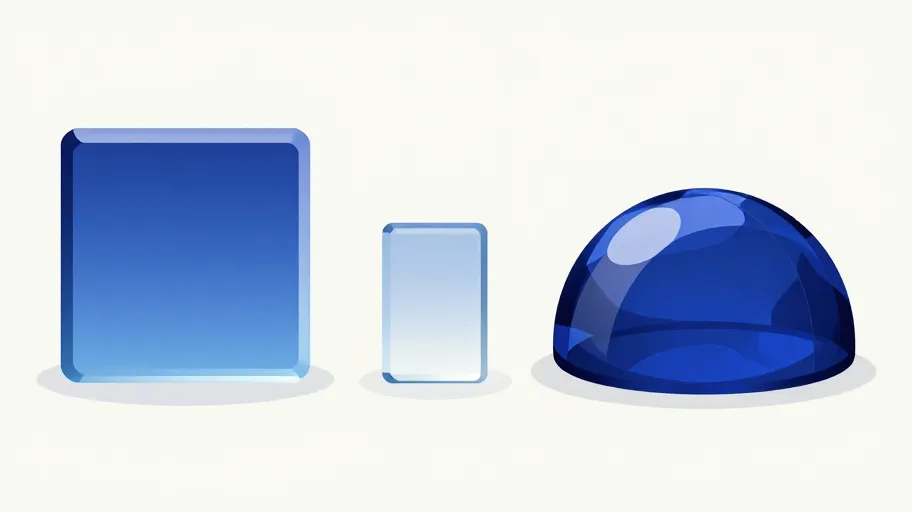
Selecting the correct sapphire watch glass types is a foundational decision that balances aesthetic intent against engineering constraints. For watch designers and private-label brands, the choice between flat, box-type, and domed geometries determines not only the visual identity of the timepiece but also the complexity of the supply chain. Flat profiles offer maximum structural efficiency and coating simplicity; box-type crystals provide vintage dimensionality without the extreme edge-thinning of domes; domed sapphires deliver superior visual depth and scratch-resistance angles but require careful thickness verification to maintain water resistance. The optimal choice depends on aligning the geometry with the specific utility and design language of the collection.
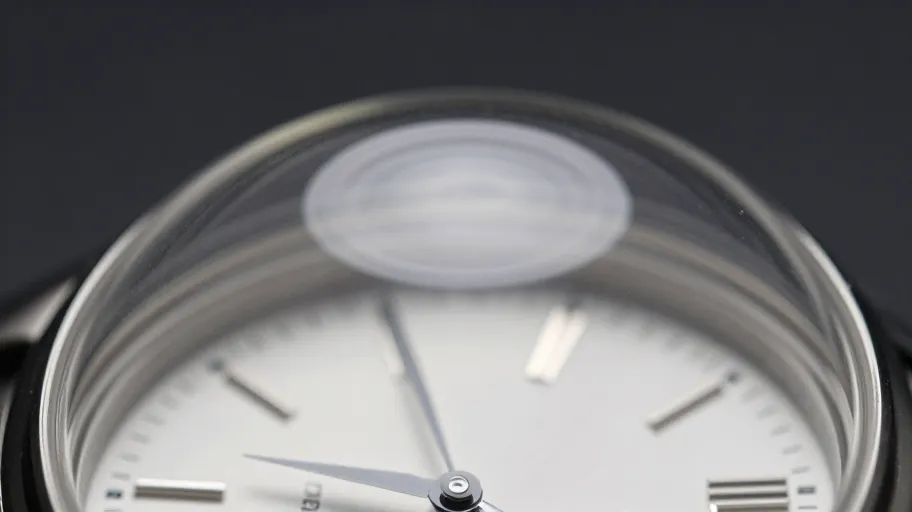
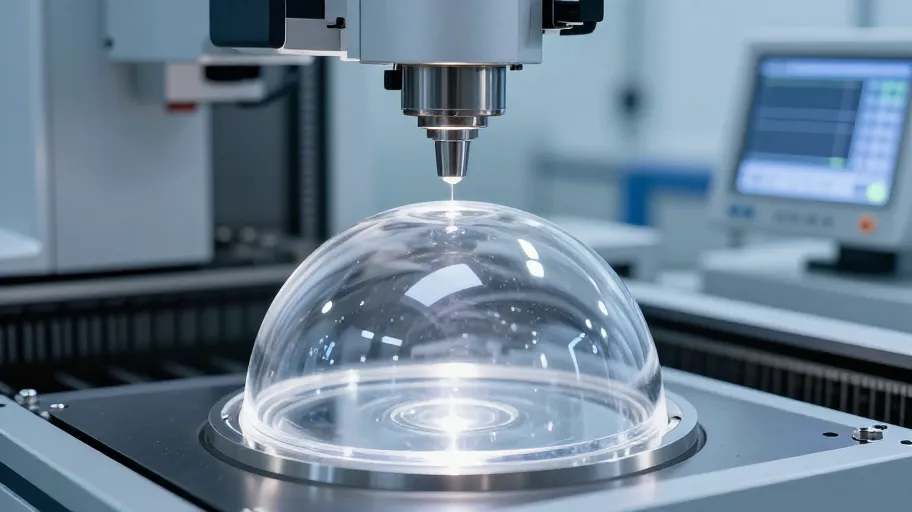
Selecting the right sapphire crystal manufacturer in China shapes durability, brand trust, and long-term value. Price isn’t the real cost—failure is. Here’s how to cut through the noise.

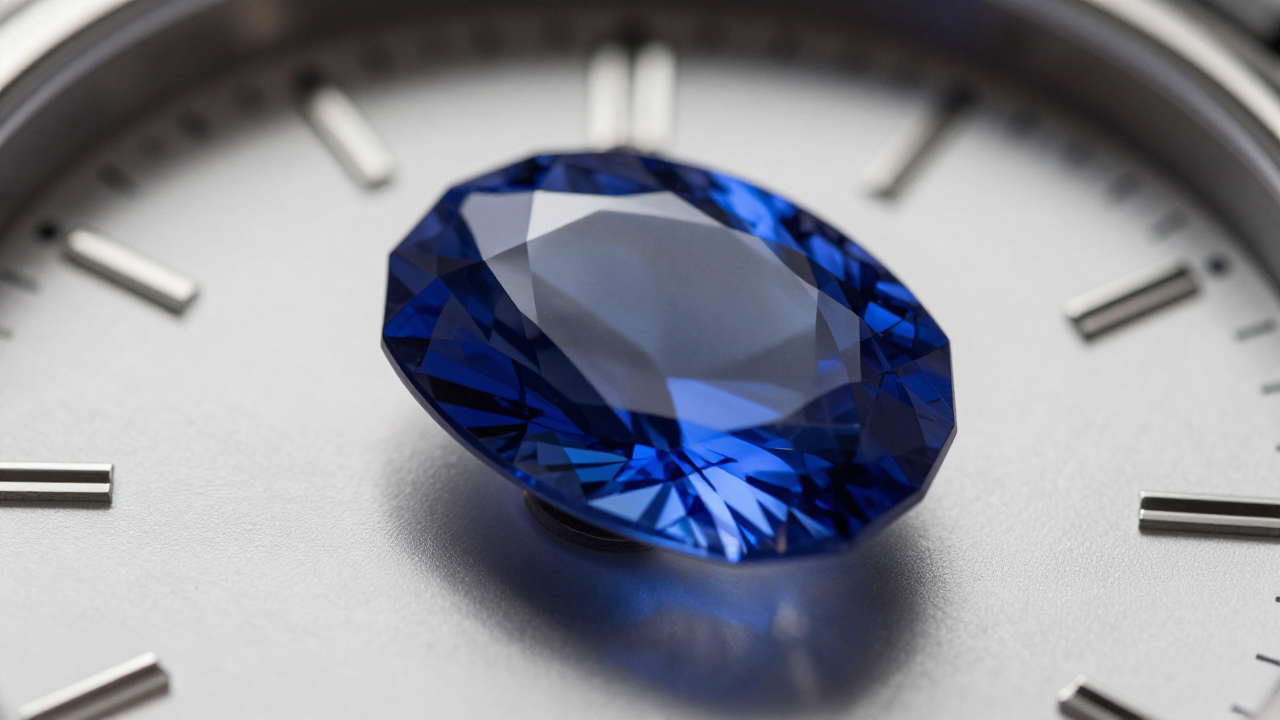
Sapphire watch crystals have long been the gold standard in luxury timepieces, thanks to their exceptional durability and clarity.…
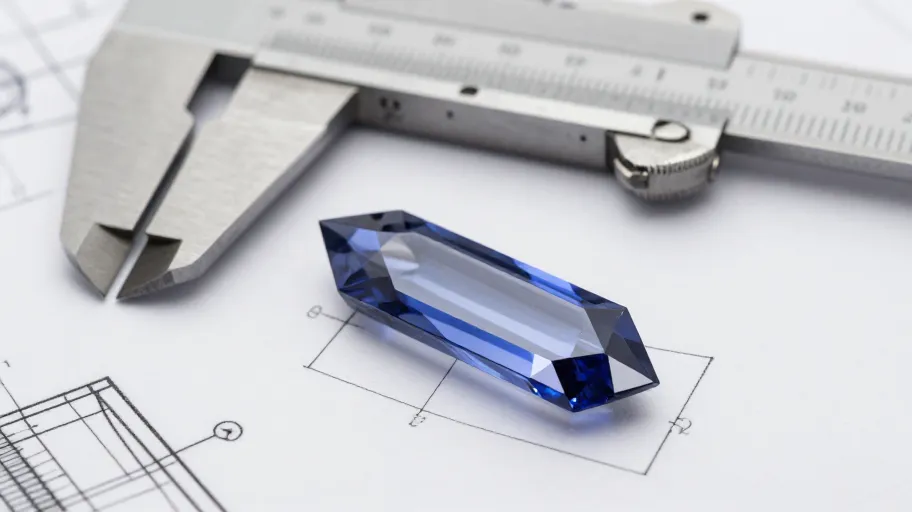
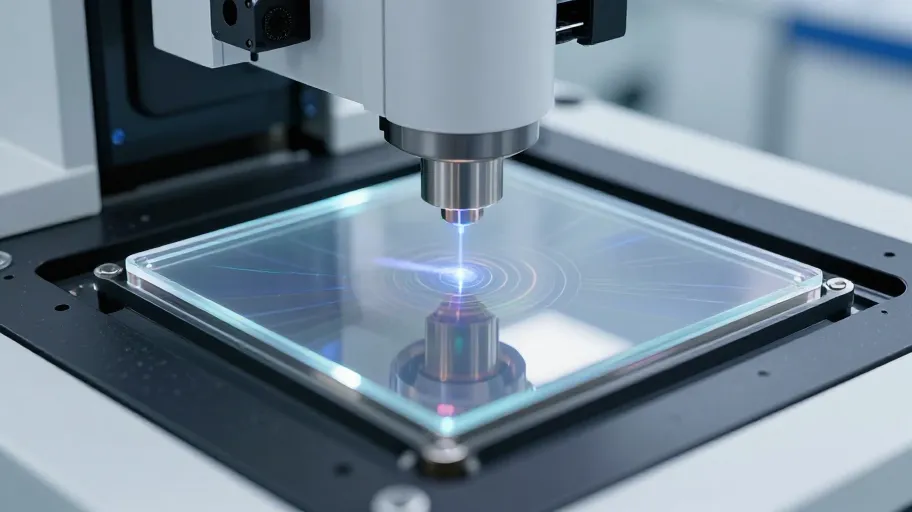
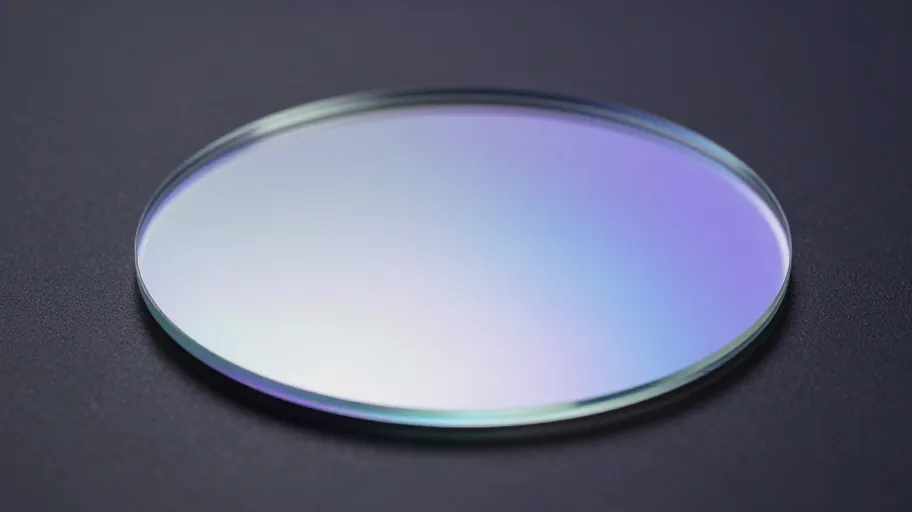
To specify a custom sapphire watch crystal effectively, you must translate your aesthetic design into precise engineering parameters that a manufacturer can execute without ambiguity. This involves defining geometry, material thickness, optical coatings, and dimensional tolerances within a standardized technical drawing or data sheet. By treating the crystal as a precision mechanical component rather than a generic accessory, procurement managers can eliminate quotation errors and accelerate the sampling phase.
Selecting a partner for your timepiece requires moving beyond price lists and sample aesthetics. For procurement teams, the core objective is to mitigate supply chain risk by validating a supplier's technical capability and process control. You must verify that a sapphire watch crystal manufacturer can consistently meet your specific tolerances, optical standards, and delivery schedules through documented evidence rather than sales assurances.
Page 15 of 24