Pioneer and leader in the same industry
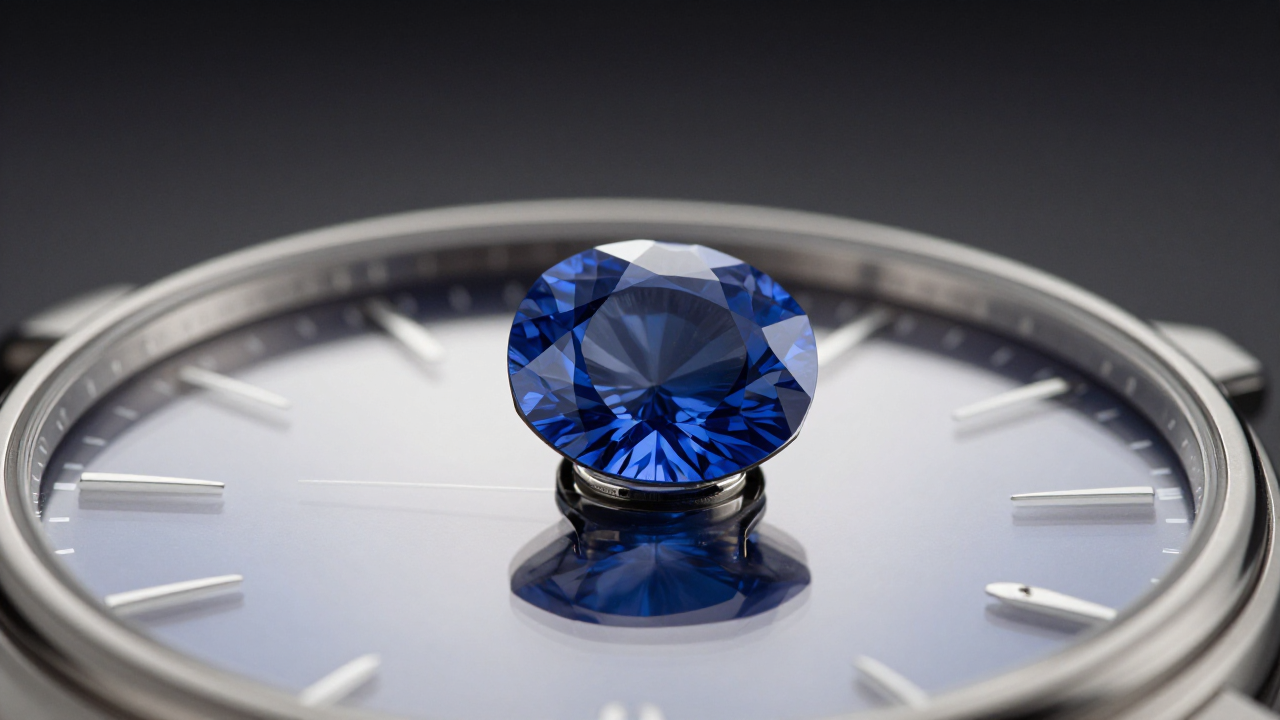
On February 11, 2026, a repair bench in Boise, Idaho quoted a customer $245 to swap out a chipped sapphire watch crystal — $118 for the part, $127 for the press work, gasket and pressure test.…


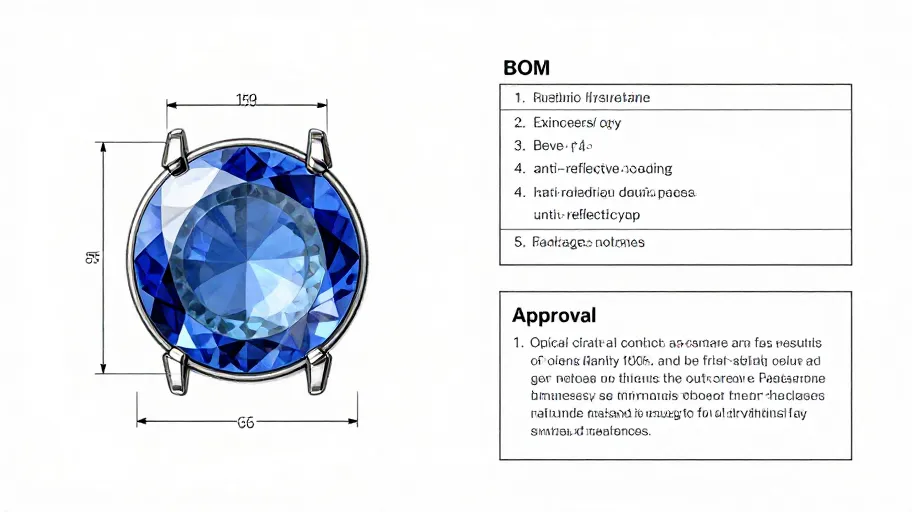
When you ask a sapphire watch glass supplier for a quotation, the quality of the quote depends less on the supplier and more on what your drawing, BOM and approval notes already fix. Use a simple three-document gate — the Drawing–BOM–Approval (DBA) Specification Gate: every technical, material and commercial detail must live in exactly one of the three documents, and any detail missing from all three is a quotation risk. Below is how to assemble that package before you send it.
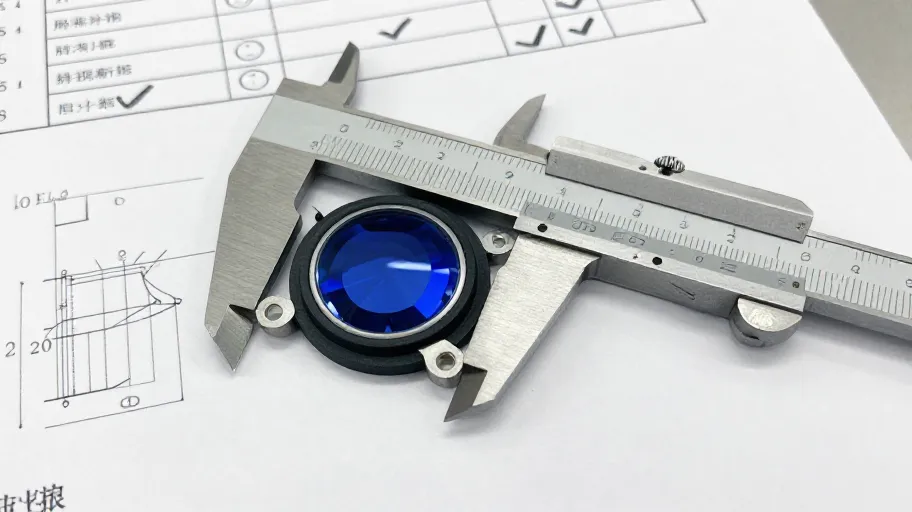
Reviewing a first sapphire crystal sample means checking every dimension against your drawing, confirming the interface with gasket and case, documenting appearance under defined inspection conditions, and recording what you and the supplier agreed before any approval is given. Treat the first sample as evidence, not a courtesy. A documented review is your protection if fit, seal or optical issues appear later.
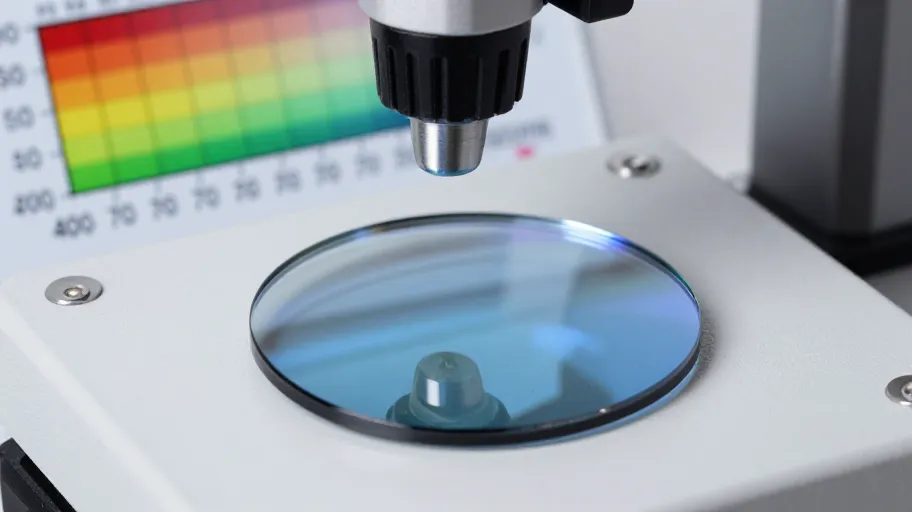
When buyers brief an anti reflective sapphire crystal coating, the most frequently missed measurements are: which surfaces are coated (outer, inner, or both), the target reflectance per coated surface, the wavelength band and measurement geometry used to verify it, and the adhesion and abrasion acceptance criteria applied to coated edges and bevels. Without these, supplier quotations describe different products. A workable first brief answers the Four-Surface Question and states how reflectance will be measured and approved.
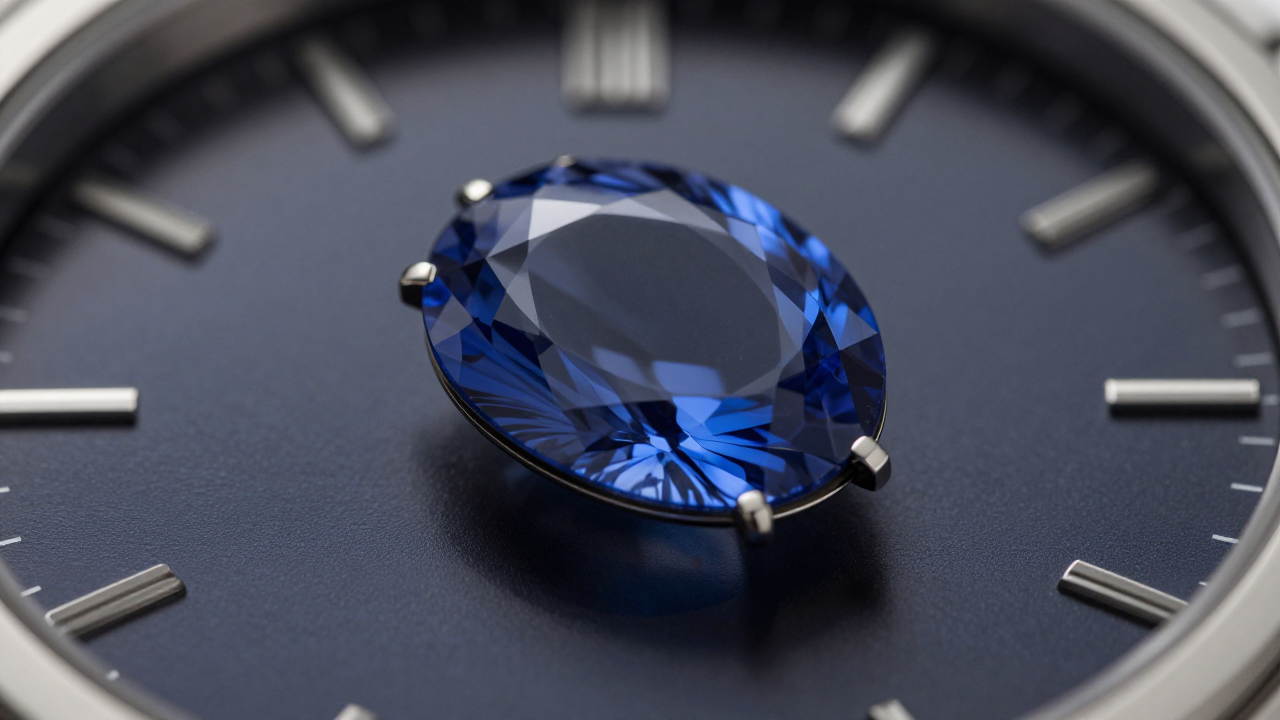
Buy on four things, in this order: a verified substrate (real synthetic sapphire, not coated glass), geometry tolerance that matches your case gasket, the coating stack and which side it sits on, and…


Page 18 of 68
