Pioneer and leader in the same industry
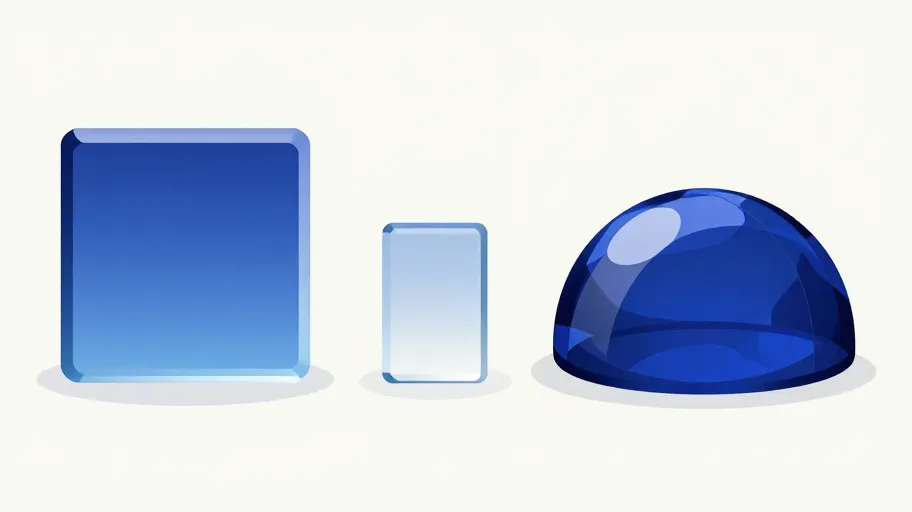
Selecting the correct sapphire crystal geometry is a foundational decision that defines a watch’s visual identity, durability, and price point. For sourcing managers and product developers, the choice requires balancing the desired aesthetic against engineering constraints like water resistance and manufacturing yield. By analyzing the specific utility of flat, box-type, and domed configurations, buyers can align their component specification with their brand positioning without compromising technical integrity.
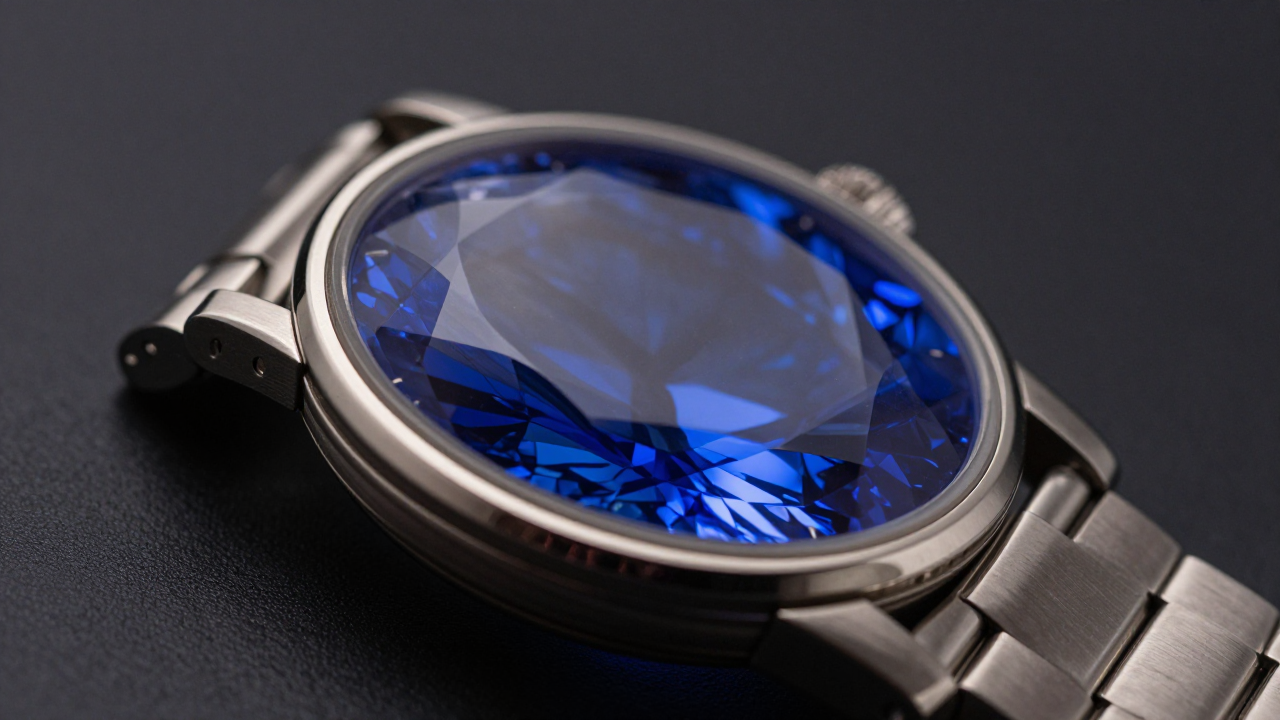
At 11:47 p.m. on a Tuesday in November 2023, a watch repair shop owner in Tucson, Arizona, sent us a photo that stopped me mid-scroll.…


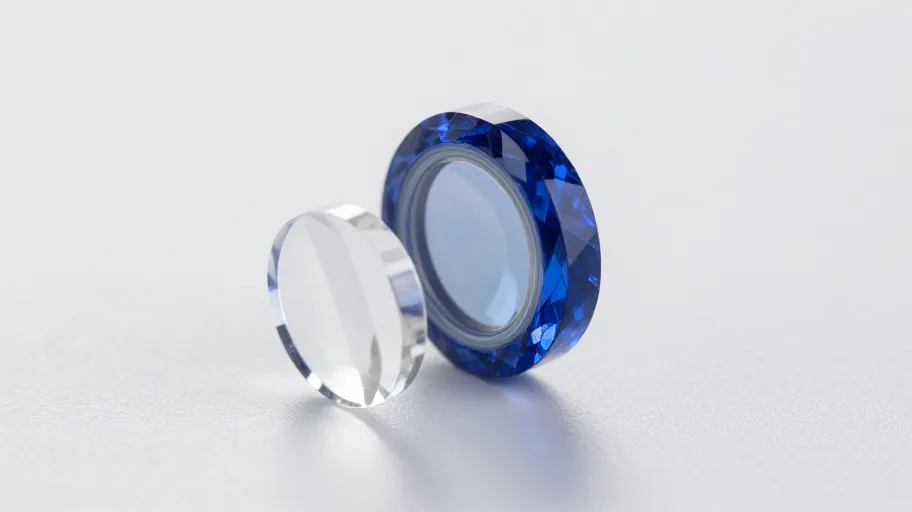
To successfully procure a custom sapphire watch crystal that fits perfectly and performs reliably, you must move beyond basic dimensions and define a comprehensive technical specification that covers geometry, optical grade, and surface treatment. By utilizing a structured framework to document these attributes, you ensure the manufacturer can engineer a component that aligns strictly with your case design and performance standards.
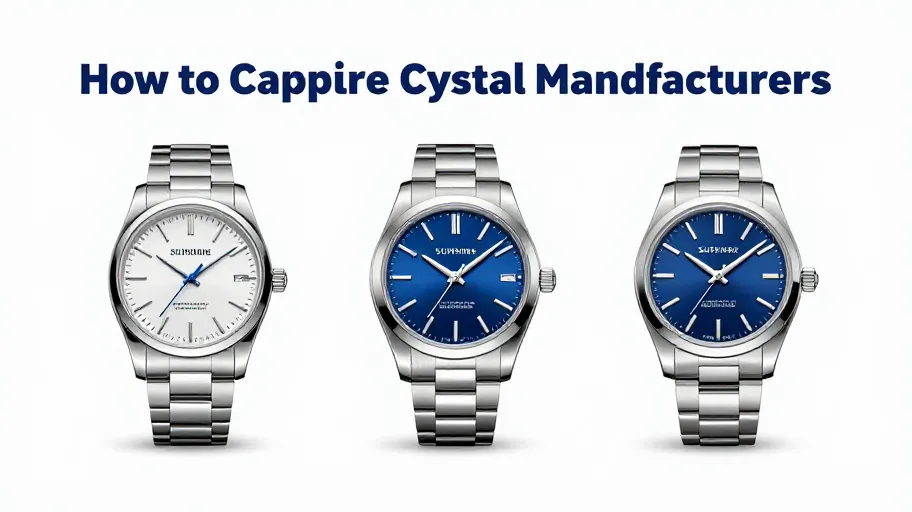
Selecting a sapphire watch crystal manufacturer requires a shift from price-based shopping to capability-based auditing. For procurement teams and product developers, the risk of sourcing sub-standard synthetic sapphire extends beyond immediate aesthetics to long-term durability and brand reputation. To effectively compare suppliers, you must move beyond marketing claims and demand evidence of process control, vertical integration, and quality assurance. The most reliable partner is not necessarily the one with the lowest unit price, but the one who can transparently document their material origin, dimensional consistency, and defect management protocols.
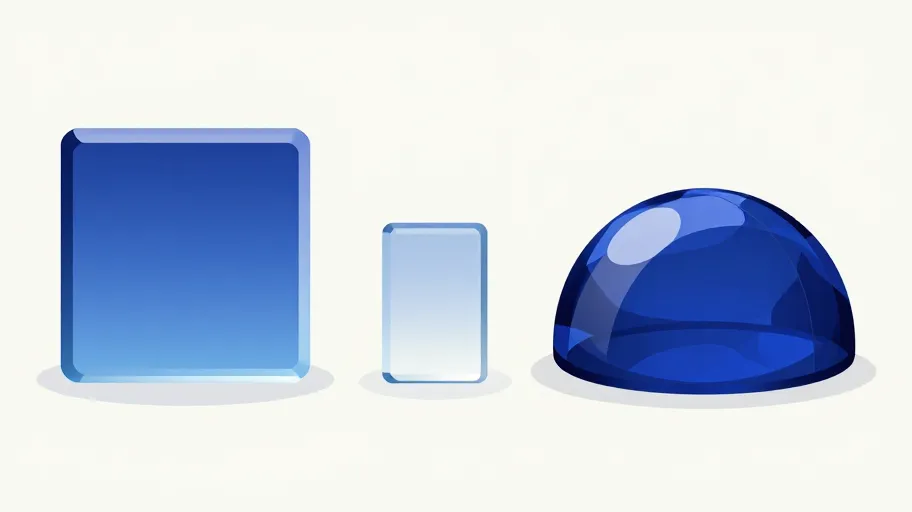
Selecting the correct crystal geometry is a foundational decision in watch development that dictates the timepiece’s aesthetic personality and engineering parameters. Flat, box-type, and domed sapphire watch glass types each offer distinct advantages regarding visual hierarchy, water resistance integrity, and dial legibility. For sourcing managers and designers, the choice requires balancing the desired vintage or modern profile against the practicalities of case sealing and manufacturing yield.
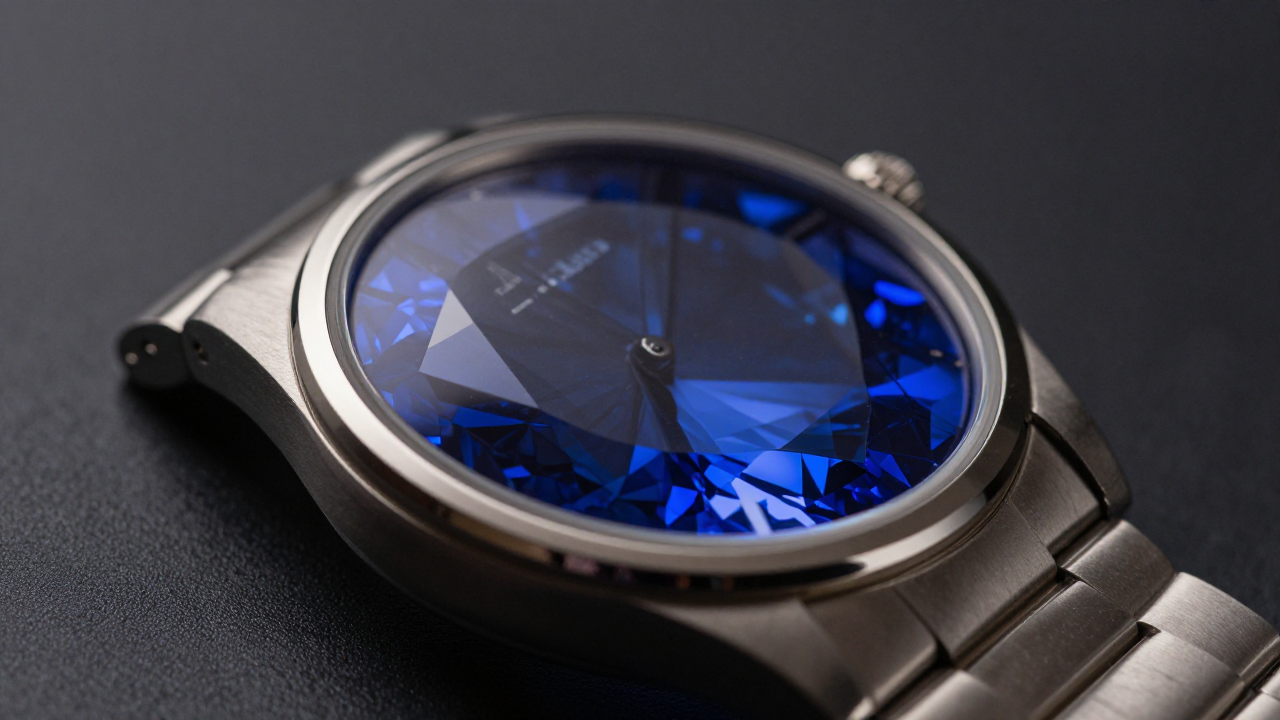
If you’ve bought a watch from any US-based microbrand or Swiss authorized dealer in the past three years, you’ve probably seen “sapphire watch crystal” listed as a selling point.…
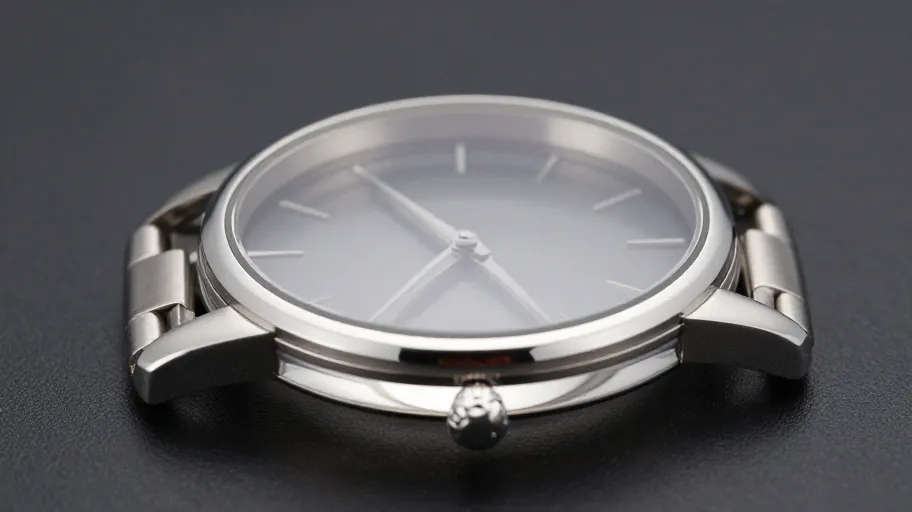
The best sapphire watch crystals from China aren’t found by chasing low prices—they’re secured by verifying material science. Here’s how to separate certified clarity from marketing fluff before your next order ships.
Page 16 of 24