';

NEWS CENTER

Pioneer and leader in the same industry
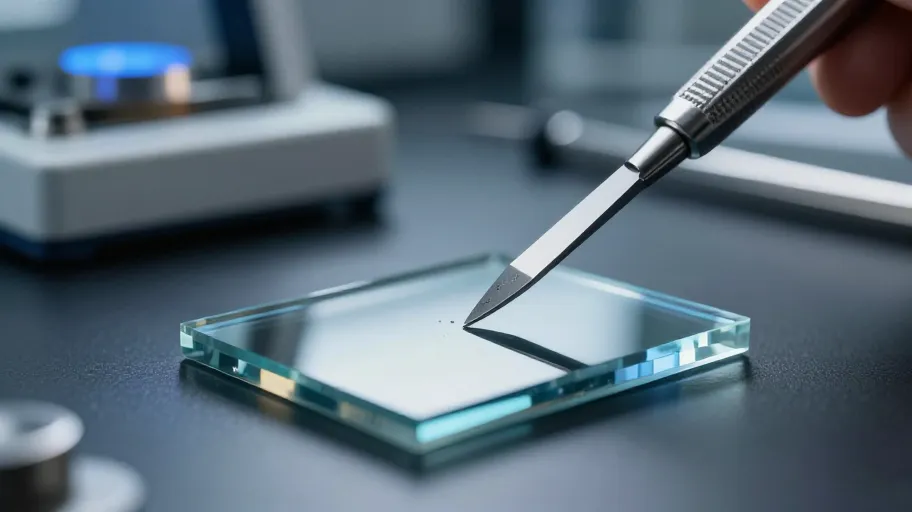
Steel can’t scratch sapphire—it’s physics, not marketing. Yet 68% of unqualified suppliers still use steel scratch demos as proof. Here’s how to spot real sapphire crystal China manufacture—and avoid six-figure rework, FDA delays, and field failures.

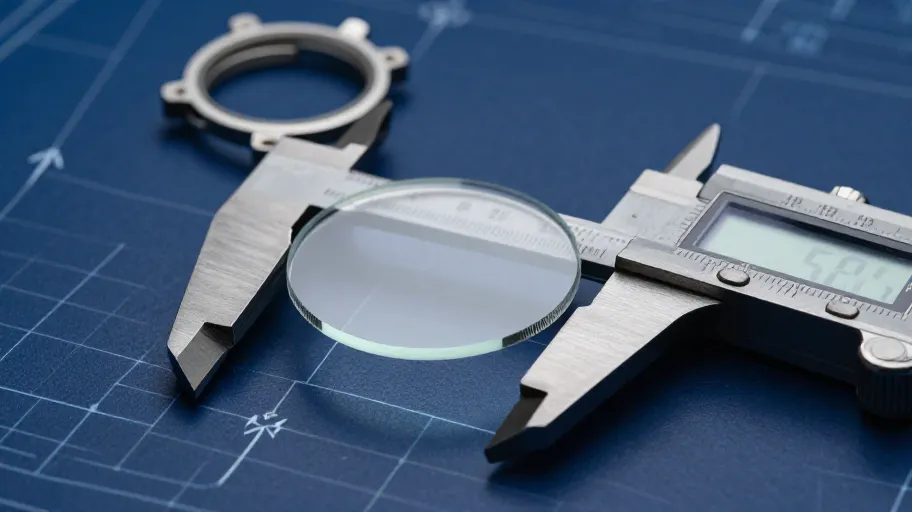
Bulk sapphire crystal orders from China aren’t failing because of impurities or scratches—they’re failing at ±0.01 mm. That tiny deviation triggers 12–18% post-production yield loss, $240K–$680K in avoidable rework per 50K launch, and on-time delivery breaches with retail partners. Here’s how to lock in precision—not hope for it.

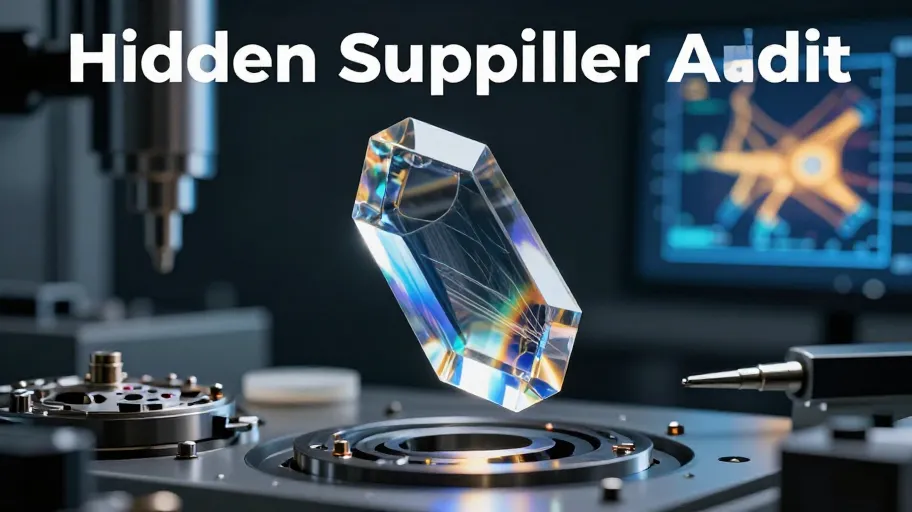
That first sapphire crystal from your China factory isn’t a prototype—it’s your most revealing supplier audit. 68% of field failures start before polishing, buried in annealing profiles and untraceable metrology. Here’s how to read what the crystal *doesn’t say*—and why skipping one checkpoint risks 14 weeks and $47K+ in rework.

The most common mistake is buying sapphire watch crystals as a commodity. A buyer collects quotes for the same 1.2 mm flat lens, takes the lowest, and never asks what the material actually is.…
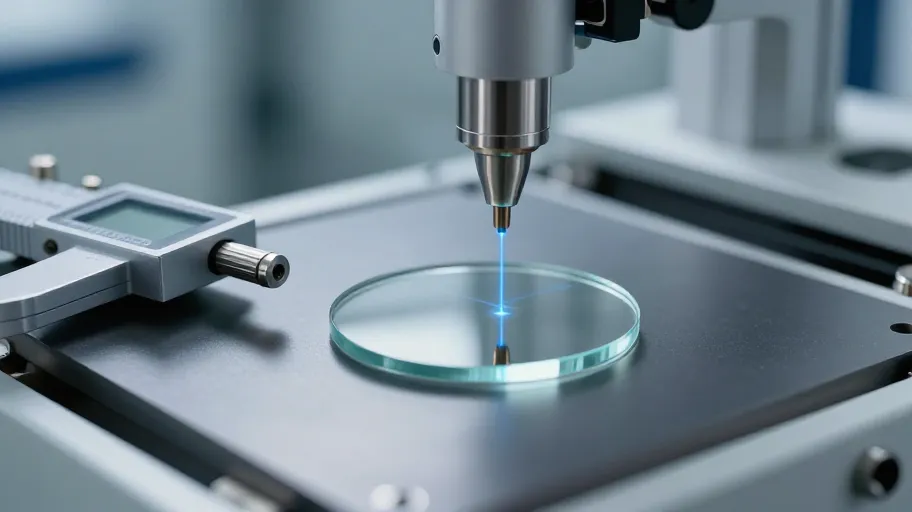
If your sapphire watch glass quote takes >3 days—or arrives with 3 rounds of revisions—you’re missing one (or more) of seven non-negotiable specs. Here’s what every China sapphire crystal factory requires before they’ll even open your RFQ.

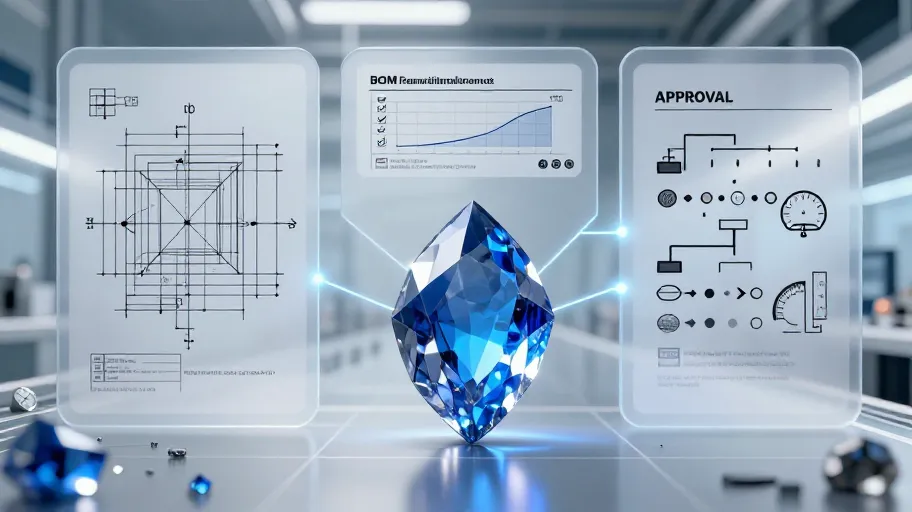
Sapphire crystal tolerances aren’t just numbers on a drawing—they’re supply chain contracts in disguise. Get the allocation wrong between drawing, BOM, and approval notes, and you’ll pay in scrap, delays, and air freight. Here’s how top watchmakers fix it—once and for all.

Buyers send CAD files and say “urgent sample”—then wonder why their sapphire watch glass fails pressure tests, jams assembly lines, or leaks after six months in Bali. It’s rarely the material—it’s the missing measurements. Here’s exactly which five specs get skipped, why each one matters physically and commercially, and what you gain by specifying them upfront.

Sapphire Watch Glass Types: What Your Supplier Needs Before They Can Quote Accurately

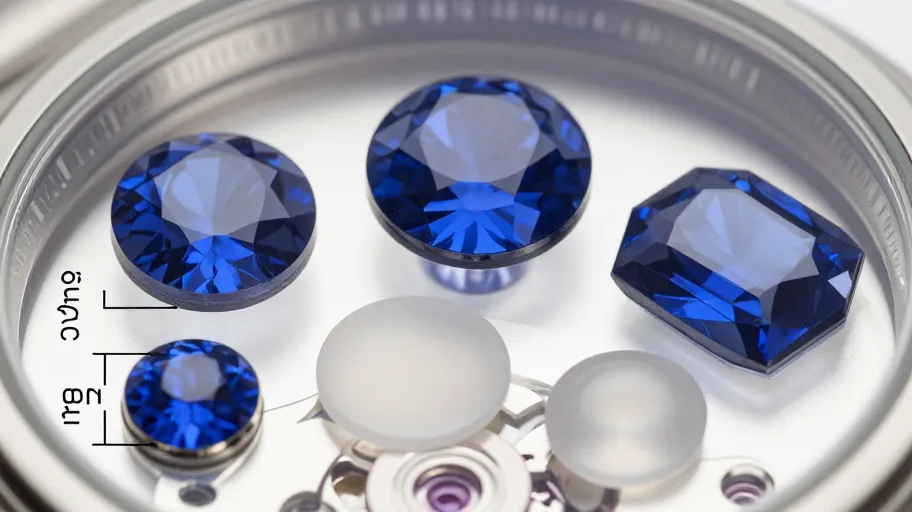
Before a supplier can quote your sapphire watch glass accurately, they need four things defined: the crystal geometry, the dimensional specification, the surface treatment and coating choice, and the intended application. Choosing among sapphire watch glass types is less about "which is best" and more about matching geometry and finish to your case design, movement layout and market positioning — then documenting it so nothing is left to interpretation.
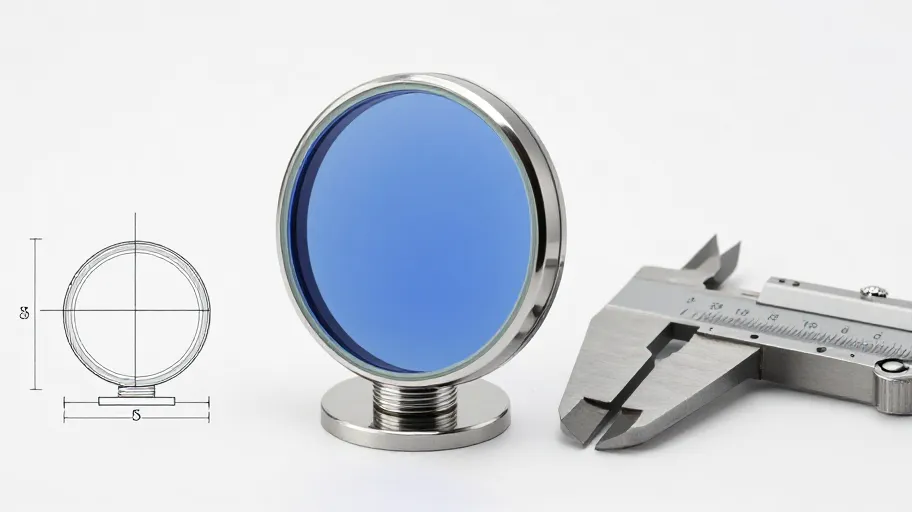
Sapphire Watch Glass Supplier: Measurements Buyers Commonly Miss in the First Brief

A complete first brief to a sapphire watch glass supplier should contain case reference, lens geometry, edge treatment, coating specification, and reference samples or drawings — captured in the CLEAR Brief Framework. Most quotation delays come not from pricing complexity, but from missing measurements: edge height, bezel seat diameter, dome profile and coating call-outs. Define these up front, and your supplier can quote, compare and sample without repeated clarification.
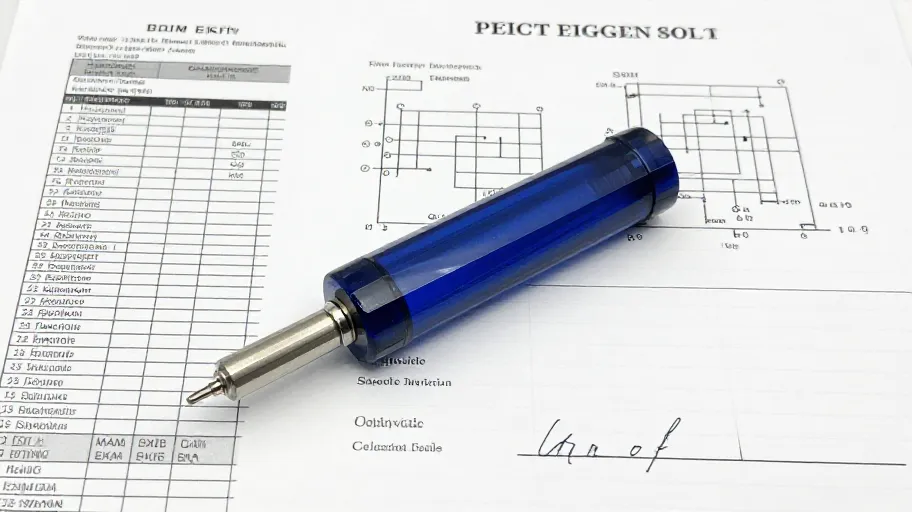
Sapphire Crystal Tolerance Watch: Which Details Belong in the Drawing, BOM and Approval Notes

When you buy a custom sapphire crystal, risk concentrates in one place: the gap between what you agreed verbally and what is written on the drawing. Put geometry, dimensional limits and finish on the drawing; put material identity, coating callouts and reference designations in the BOM; and put measured evidence, sampling method and sign-off conditions in the approval notes. Everything not assigned to one of these three layers is a dispute waiting for inspection day.