Pioneer and leader in the same industry

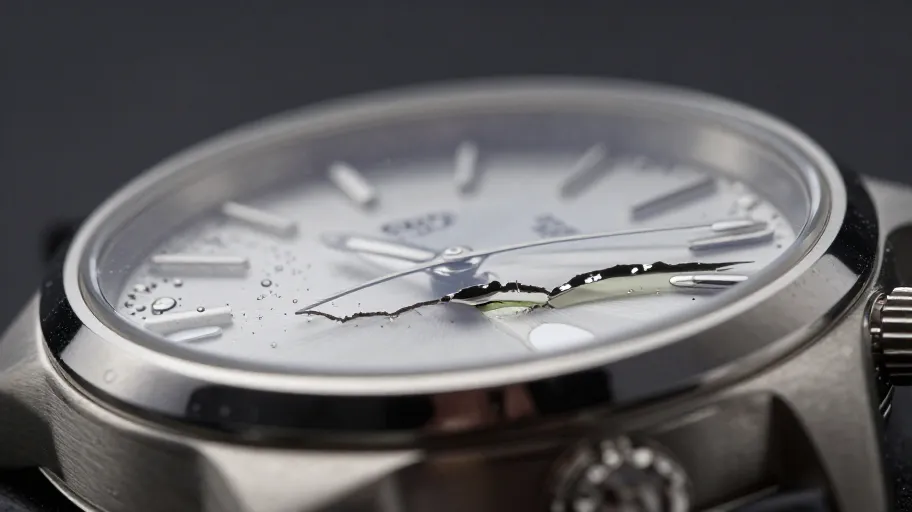
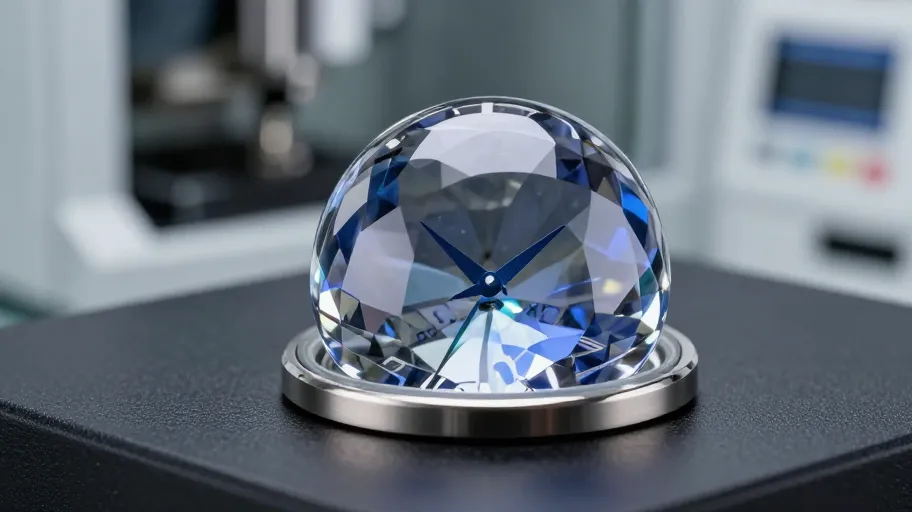
China now produces over 80% of the world’s flat box-type or domed sapphire watch glass. It’s not just about cost—it’s about unmatched precision, scale, and reliability that’s reshaping luxury timepiece supply chains.

Getting fast, accurate quotes from sapphire crystal china manufacture suppliers isn’t luck—it’s preparation. Share the right specs upfront, and you’ll slash delays, avoid rework, and lock in production schedules.
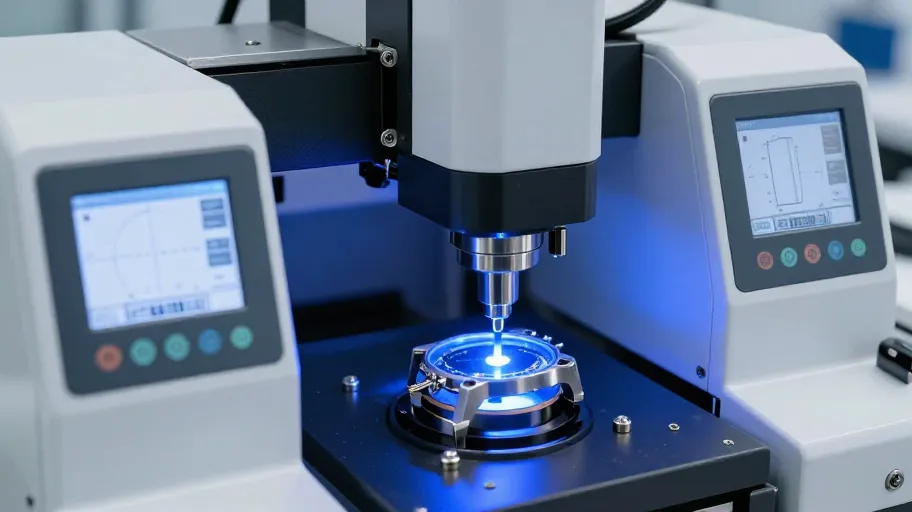

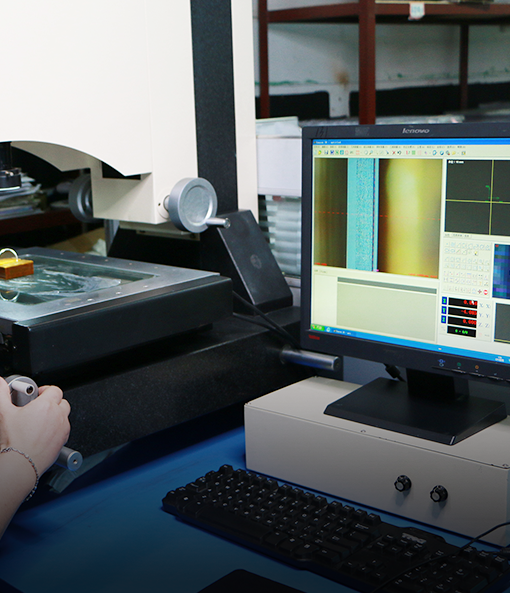
Comparing a sapphire watch crystal manufacturer means auditing evidence, not collecting brochures. The suppliers worth shortlisting are those who document crystal grade, demonstrate custom geometry capability, provide traceable inspection data, and let you verify coating performance through agreed methods — all before you commit production tooling.
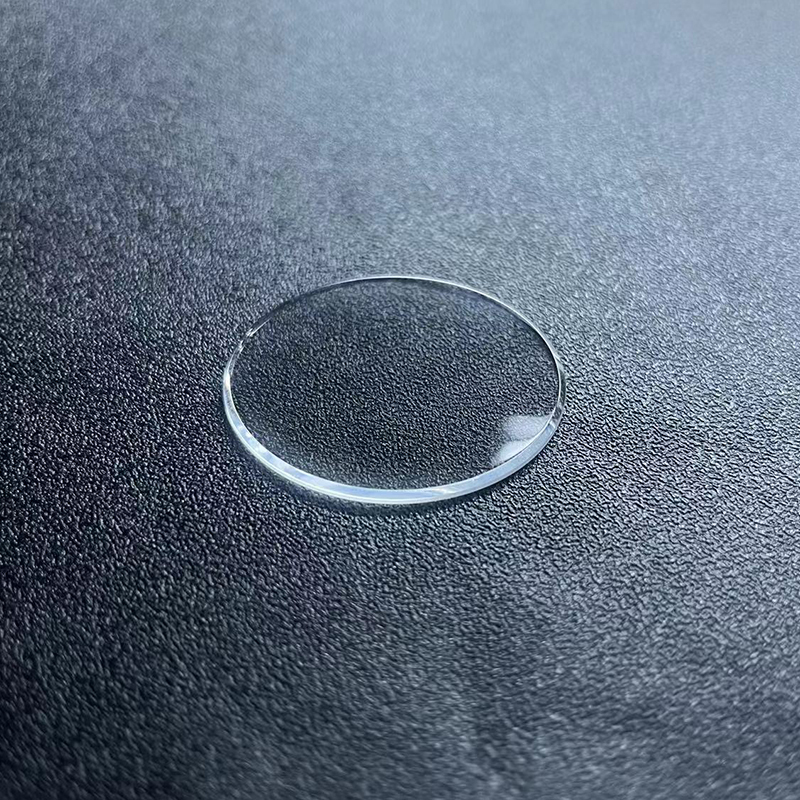
The right sapphire crystal geometry is the one that matches your case architecture, your brand's visual language, and the loads the watch will actually see. Flat profiles suit clean, contemporary dials; box-type crystals add dial protection and vintage character; domed crystals soften light and introduce depth. Choose geometry against your case drawing — not against a trend — and confirm fit before you commit to tooling.
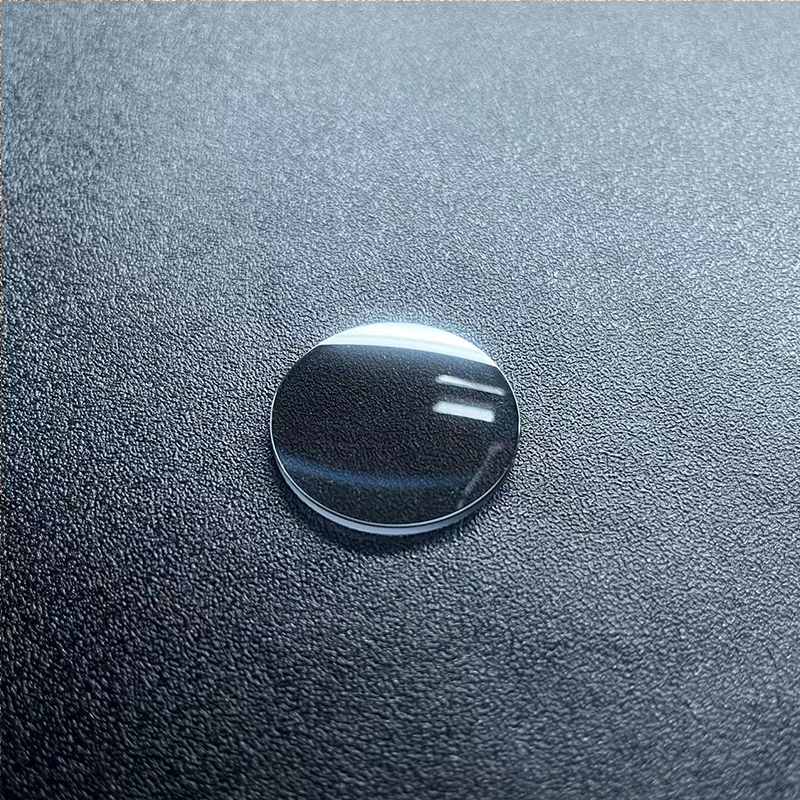
Selecting the correct crystal profile is a foundational decision in watch development that balances structural integrity, water resistance, and visual hierarchy. For sourcing managers and designers, the choice between flat, box-type, and domed sapphire watch glass types comes down to the Geometry-Utility-Ratio (GUR): analyzing how the curvature impacts internal clearance, sealing surface area, and perceived dial depth. While flat profiles offer maximum manufacturing ease and superior lateral impact resistance, domed geometries enhance dial legibility through magnification but require precise vertical clearance calculations. Box-type crystals offer a specific retro aesthetic without the magnification of a full dome, yet they demand distinct case assembly techniques. Understanding these trade-offs is critical for minimizing tooling revisions and ensuring the final product meets both aesthetic and performance standards.
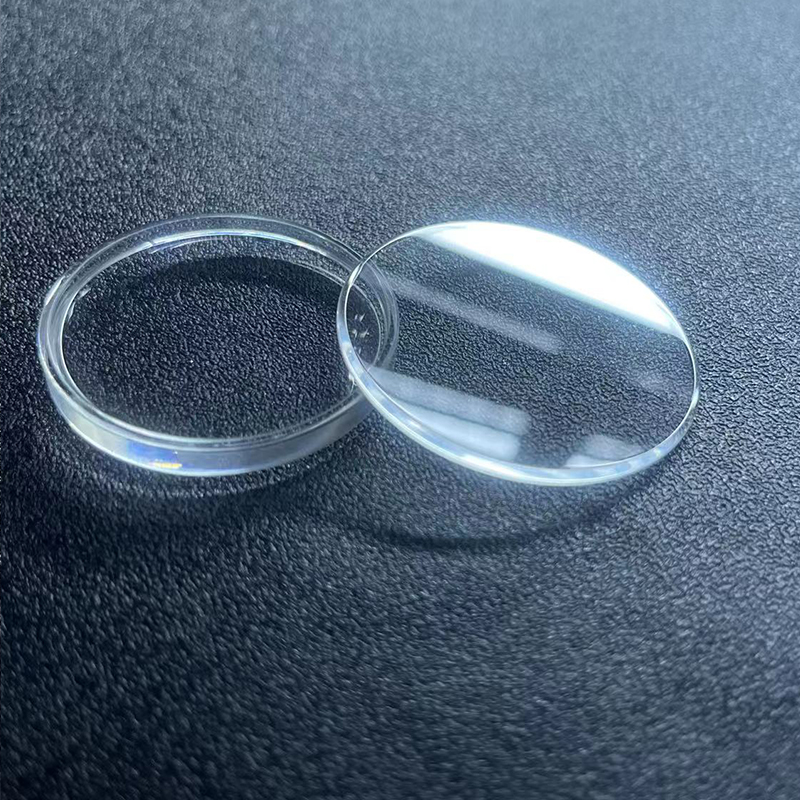
To receive an accurate and actionable price from a sapphire watch glass supplier, you must provide more than just a sketch or a photo. You need a comprehensive technical package that defines the geometry, material properties, surface treatments, and volume requirements. Without these specific details, any supplier is forced to estimate, leading to price volatility and potential production delays. By preparing a precise technical brief, you enable the engineering team to assess feasibility, tooling needs, and material utilization correctly.
Page 20 of 24