Pioneer and leader in the same industry
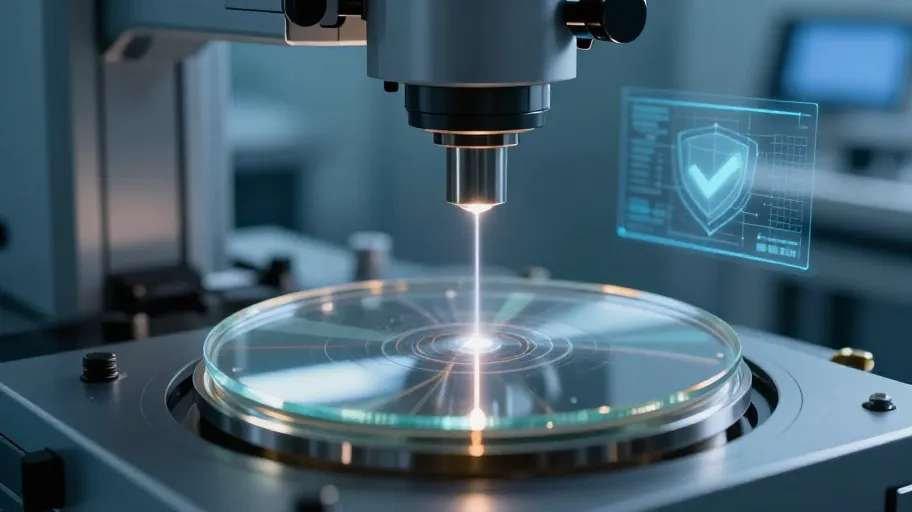
Yes, sapphire glass costs more than soda-lime—but not 3× more. When sourced directly from vetted sapphire china factories with in-house Czochralski growth and ISO 14644-1 Class 5 polishing, landed cost drops to $18–$32/cm² for AR-coated 0.5 mm wafers—enabling ROI within 7 months on high-volume wearables and defense optics.
Sapphire watch crystals cost more than mineral glass because the material and its processing are harder to make and machine — but "expensive" is the wrong frame. For a B2B buyer, the real question is what specification you are paying for, what approval risk you carry, and what total cost of ownership the crystal creates across your production run.
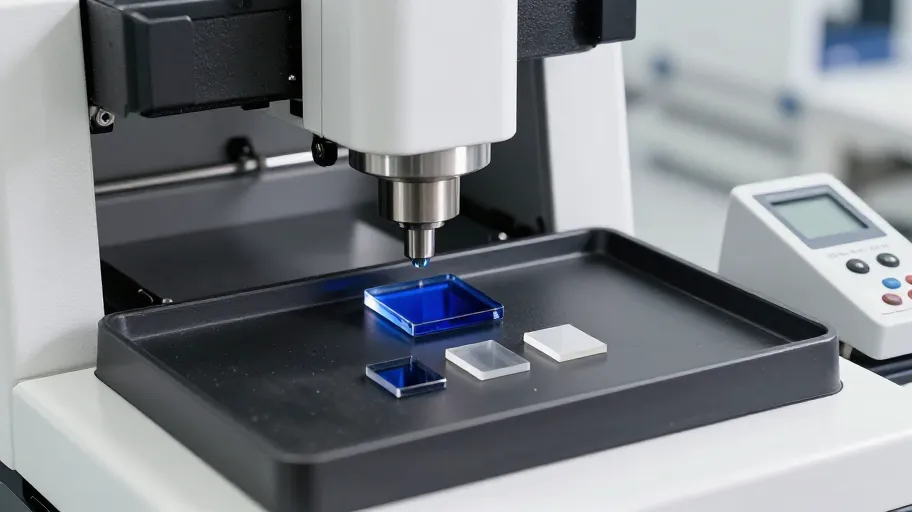
The honest answer to "how much is sapphire glass worth?" is that a sapphire watch crystal has no single fair price — its worth is set by a specification stack: crystal growth method, dimensions, cut and polish, coating, tolerance and inspection requirements, all layered onto order volume and tooling. A quote without that stack is not a price; it is a placeholder. This guide gives you a framework to price the spec, verify it with samples, and approve through documented gates.
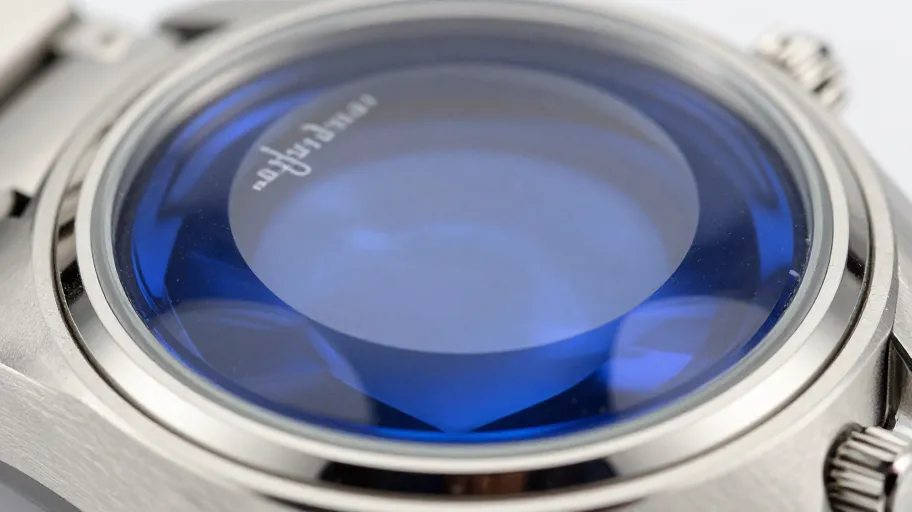
If you are asking how much does a sapphire glass cost?, the honest answer is that a watch crystal has no single price: cost is set by your specification. Diameter, thickness, dome profile, coatings, printing, tolerance class and approval requirements each shift the quotation. Your real task as a buyer is not to find a number — it is to lock a spec so quotations from different suppliers become comparable.
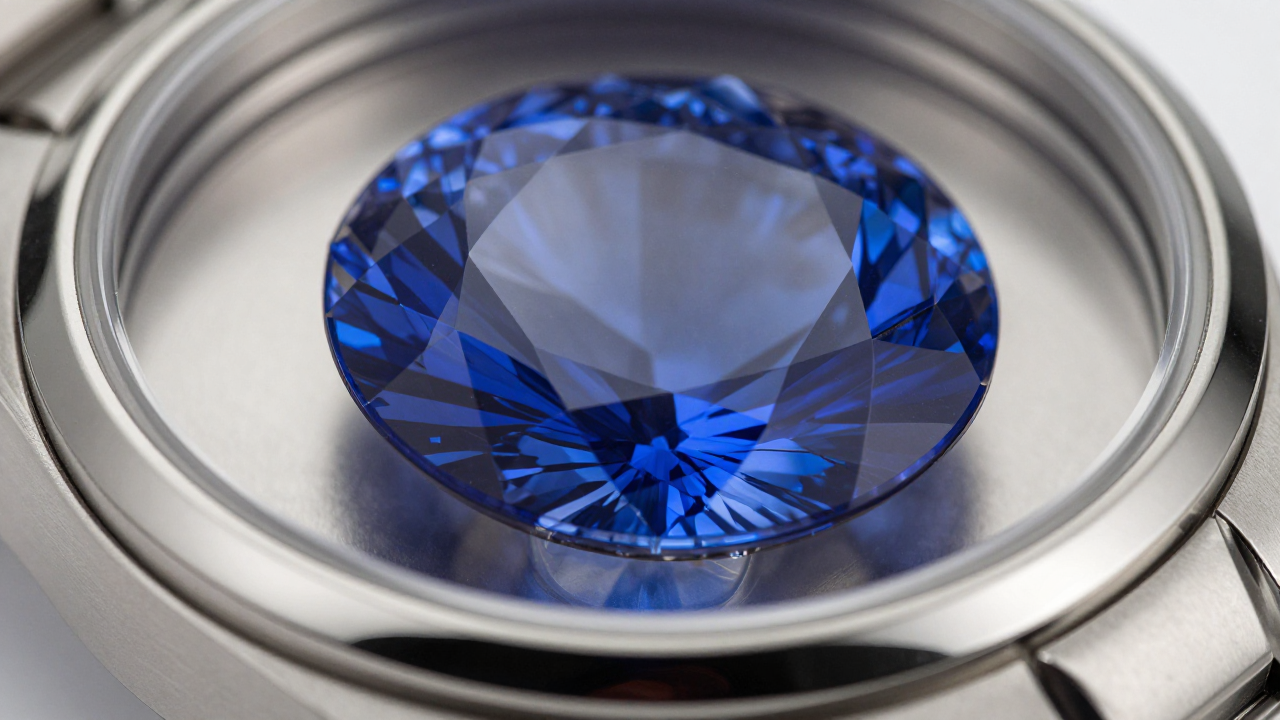
A sapphire watch crystal runs $100 to $500 installed at a US independent watchmaker in 2026, and the realistic payback window is 2 to 3 years if you keep the watch.…
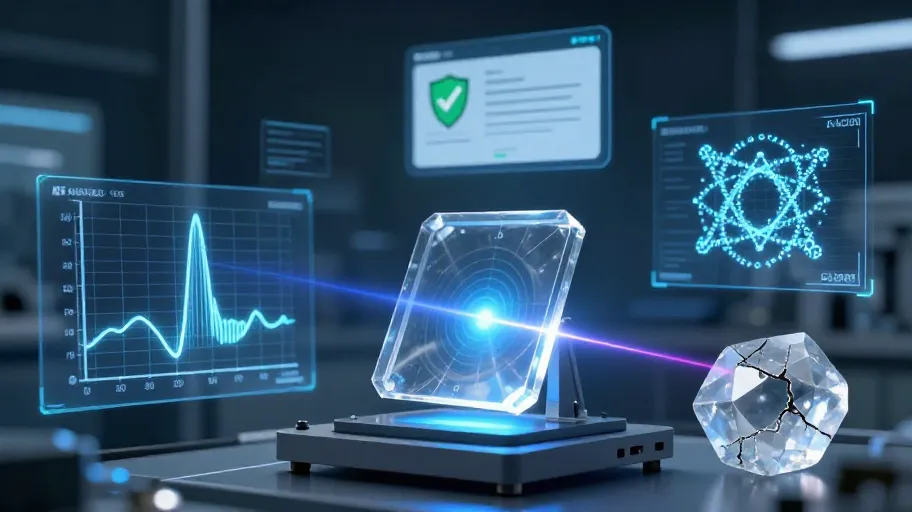
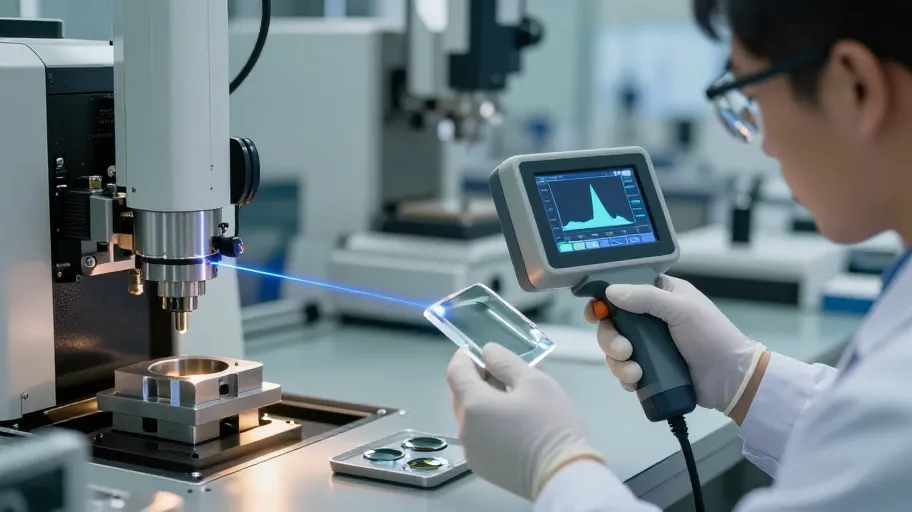
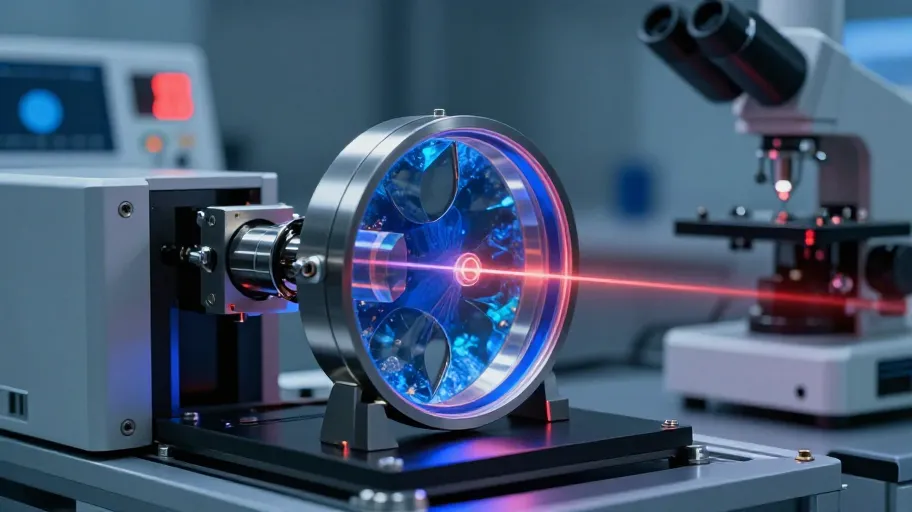
Buying sapphire crystal from China isn’t about chasing the lowest quote—it’s about avoiding costly optical surprises. This guide reveals how top U.S. medtech and laser OEMs cut TCO by 22% in 12 months—not by negotiating harder, but by sourcing smarter.
Page 23 of 68
