';

NEWS CENTER

Pioneer and leader in the same industry
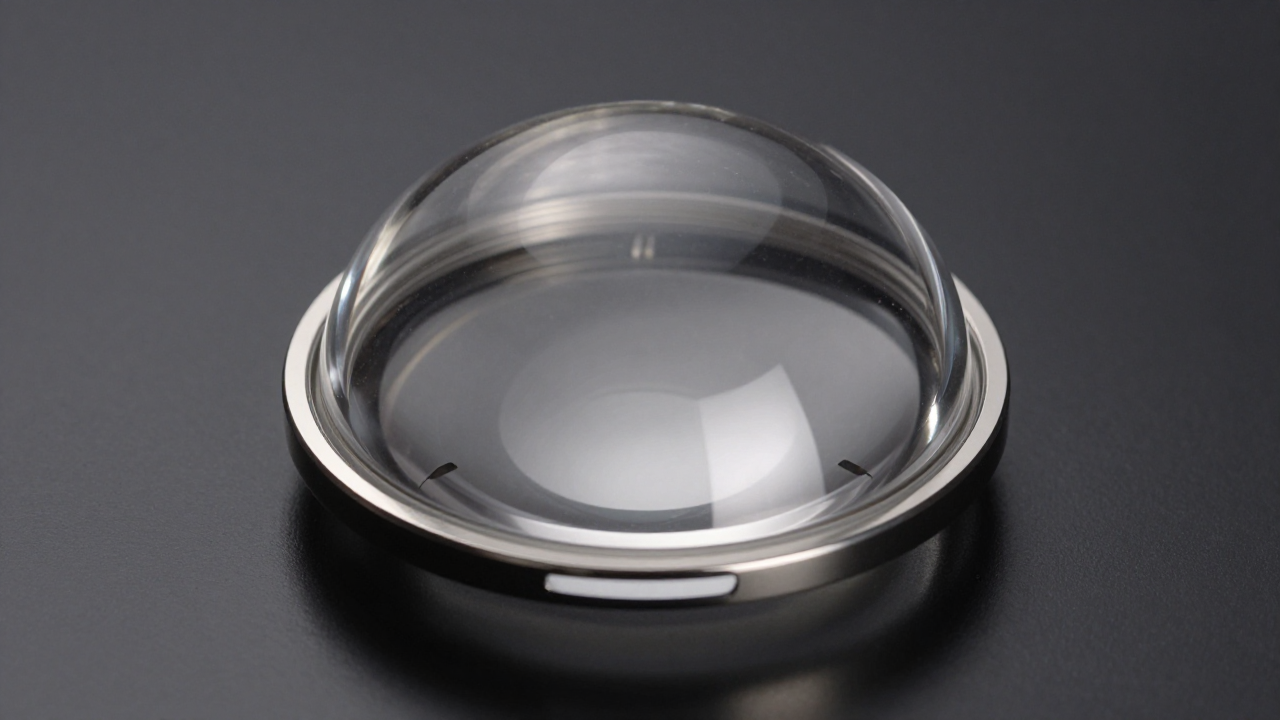
A sapphire watch crystal is a transparent cover made from synthetic sapphire, a crystalline form of aluminum oxide with a Mohs hardness of 9.…
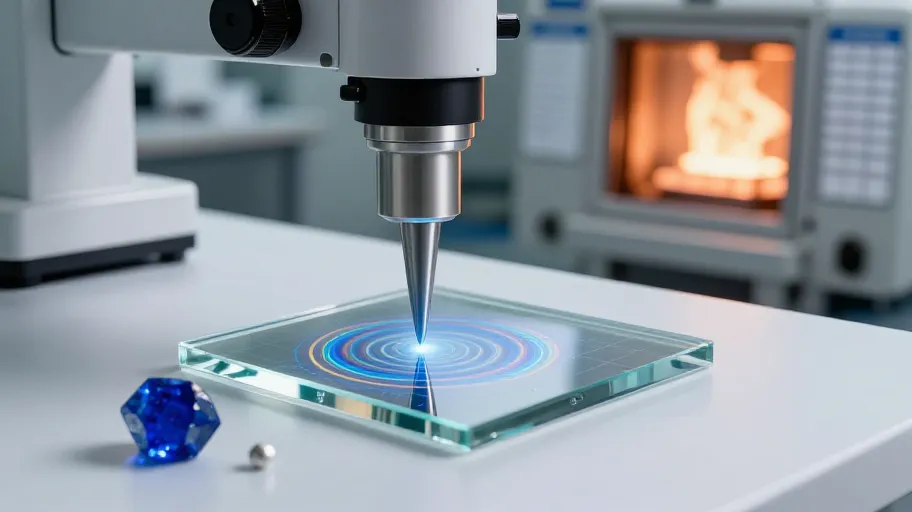
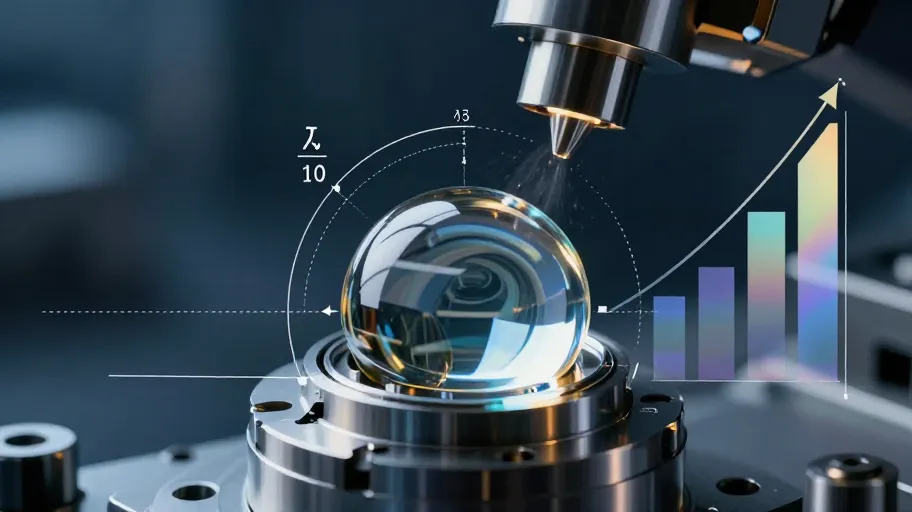
Yes, many premium watches use sapphire crystal—but only ~12% of China-sourced components pass independent hardness & clarity validation. This gap between spec sheets and verified performance is where sourcing wins or fails. Let’s fix it—starting with what you actually need to know before signing an NDA.

You’re not paying for ‘sapphire’—you’re paying for what the spec forces the machine to do. From λ/4 flatness to R0.15 edge radius, every tolerance is a cost command. Here’s how to read your own bill of materials—before you quote.

Buying sapphire watch crystals from China isn’t about chasing the lowest quote—it’s about locking in optical yield, hardness consistency, and dimensional integrity before your first prototype spins. Here’s how top-tier brands do it right.

A Buyer's Guide to Sapphire Watch Crystal: Specs, Samples and Approval

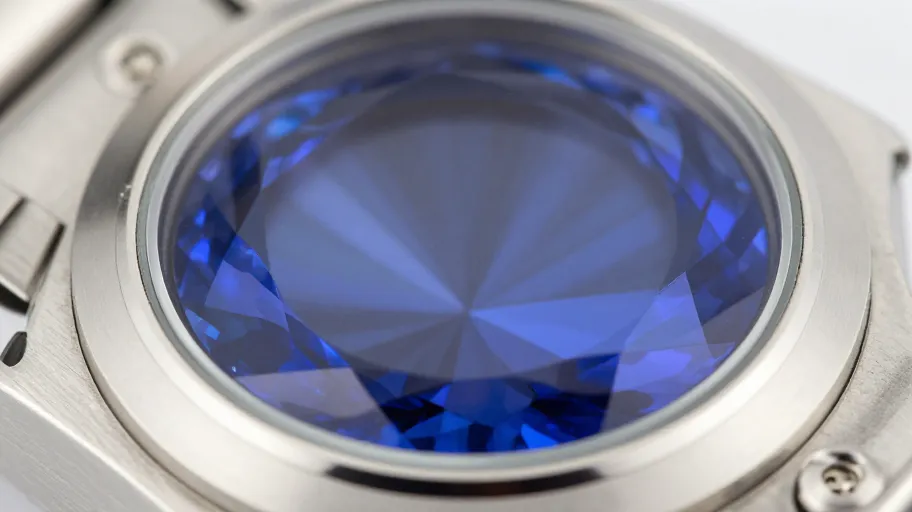
A sapphire watch crystal is a single-crystal synthetic sapphire (corundum) part, cut, ground, polished and — where specified — coated, to serve as the transparent cover glass of a watch. For B2B buyers, the hard part is not the material but the process: specifying geometry, finish and coatings precisely enough to compare quotes, then running a documented sample approval before production. This guide gives you a framework for both.
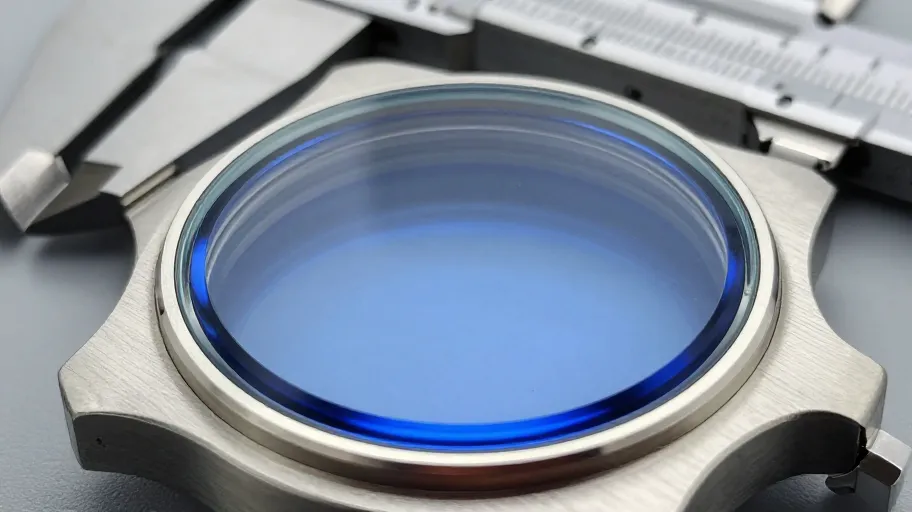
A Buyer's Guide to How Much Does A Sapphire Crystal Cost For A Watch?: Specs, Samples and Approval

How much does a sapphire crystal cost for a watch? For a B2B buyer, there is no single answer: the price of a custom sapphire watch crystal is determined by the specification you fix — geometry, thickness profile, coatings, edge finish, tolerances, printing and order quantity — and by the supplier's sample and tooling terms. The right first step is not to chase a number; it is to lock a complete specification so every supplier quotes against the same drawing.
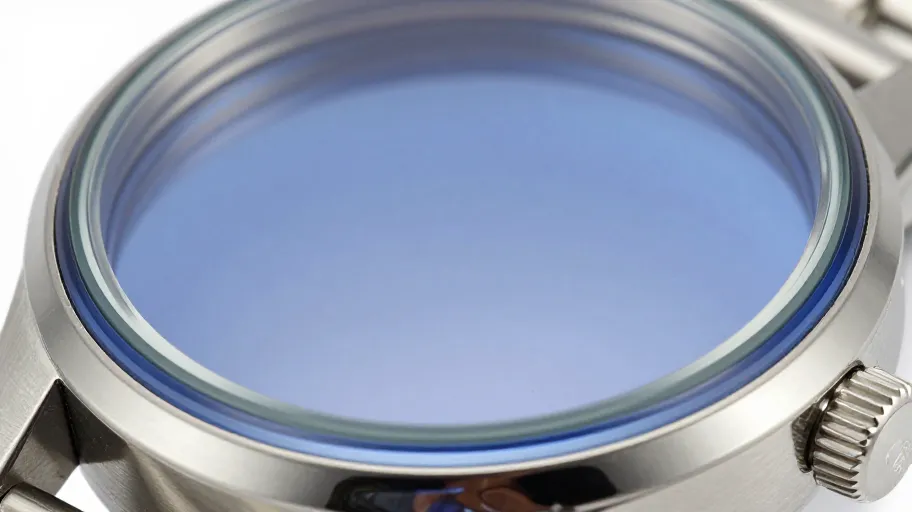
A Buyer's Guide to Do Any Watches Have A Sapphire Crystal?: Specs, Samples and Approval

Yes — many watches use sapphire crystal, meaning synthetic sapphire (single-crystal aluminium oxide) grown, cut and polished for watch applications. For a buyer, the real question is not whether it exists but how to specify it, sample it and approve it so that what arrives matches what was quoted. This guide gives you that process.
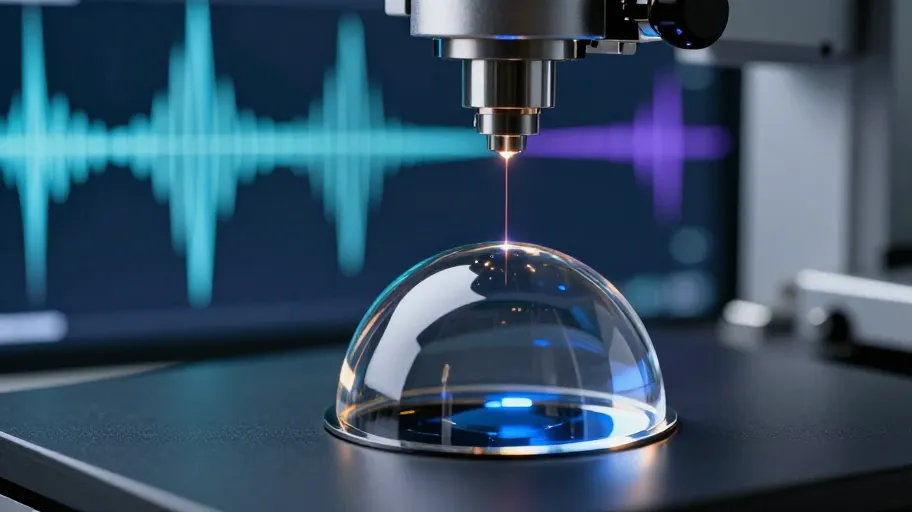
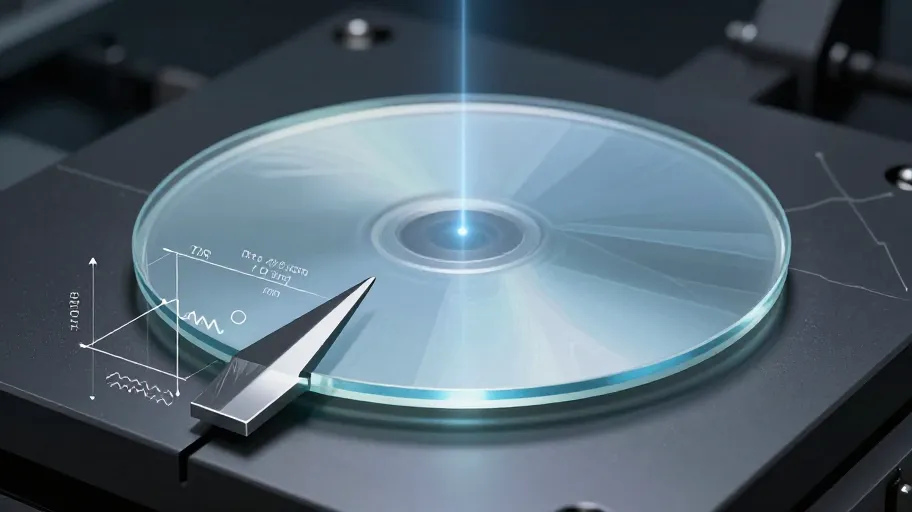
You’re approving 12,000 domed sapphire watch glasses—but without verified evidence from the Sapphire Crystal China manufacture, you’re not signing off on quality. You’re betting on luck. Here’s how to replace risk with repeatable optical truth.

If your sapphire crystal RFQ doesn’t specify ±0.005 mm flatness (TIR), Ra ≤ 0.012 µm surface roughness, and fully defined edge geometry, your quote isn’t just inaccurate—it’s a liability. Here’s why those three numbers control yield, timeline, and gross margin.

Ambiguous coating specs cost time, money, and optical performance — especially when sourcing from sapphire crystal China factories. This guide shows you exactly how Tier-1 optics teams cut quoting delays by 40–60%, eliminate first-batch rework, and lock in reflectance consistency before tooling begins.