Pioneer and leader in the same industry
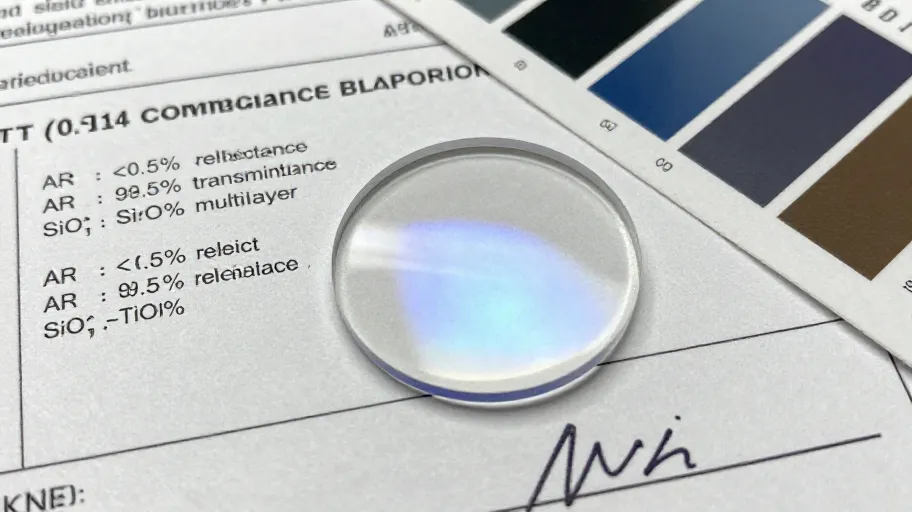
The best watch crystal AR coating decision is the one you can specify, verify and sign off. Write the coating requirement into your drawing, qualify it on physical samples under controlled lighting, and document written approval before mass production. Every unspecified detail becomes a supplier-specific assumption you inherit.
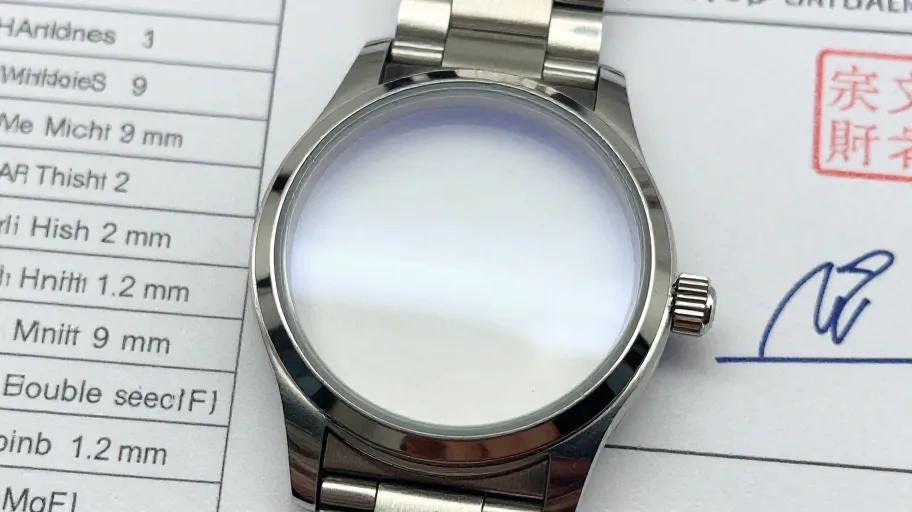
An AR sapphire crystal is a synthetic sapphire watch crystal with an anti-reflective coating that reduces surface reflections and improves dial legibility. For B2B buyers, the purchasing risk sits not in the sapphire itself but in under-specified coating requirements, inconsistent sample evaluation and missing approval records. This guide gives you a repeatable SPEC–SAMPLE–SIGN-OFF framework so you can specify, verify and approve with documented confidence.
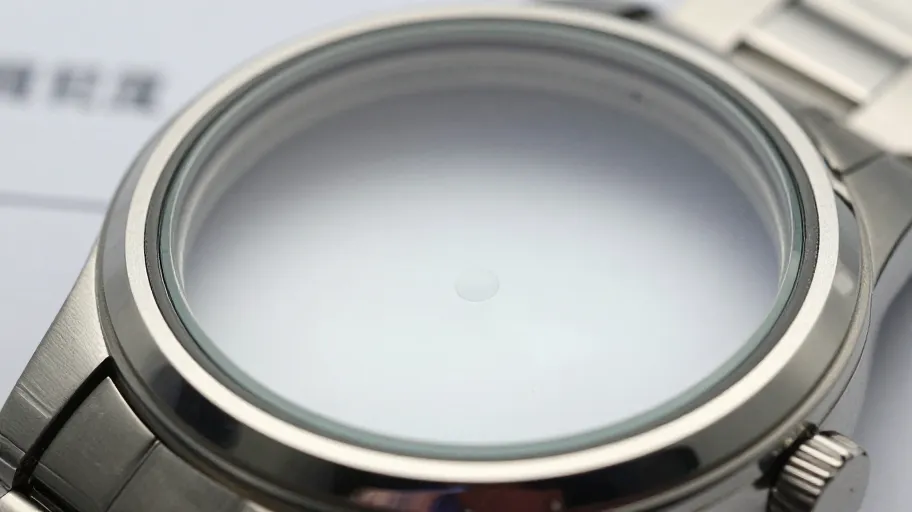
An AR coated sapphire crystal is a synthetic sapphire watch crystal with an anti-reflective coating applied to reduce surface reflection and improve dial legibility. For buyers, the procurement job is not judging the coating itself but specifying it precisely, sampling it against documented criteria, and signing off with written evidence. This guide gives you the structure to do all three before committing a production order.
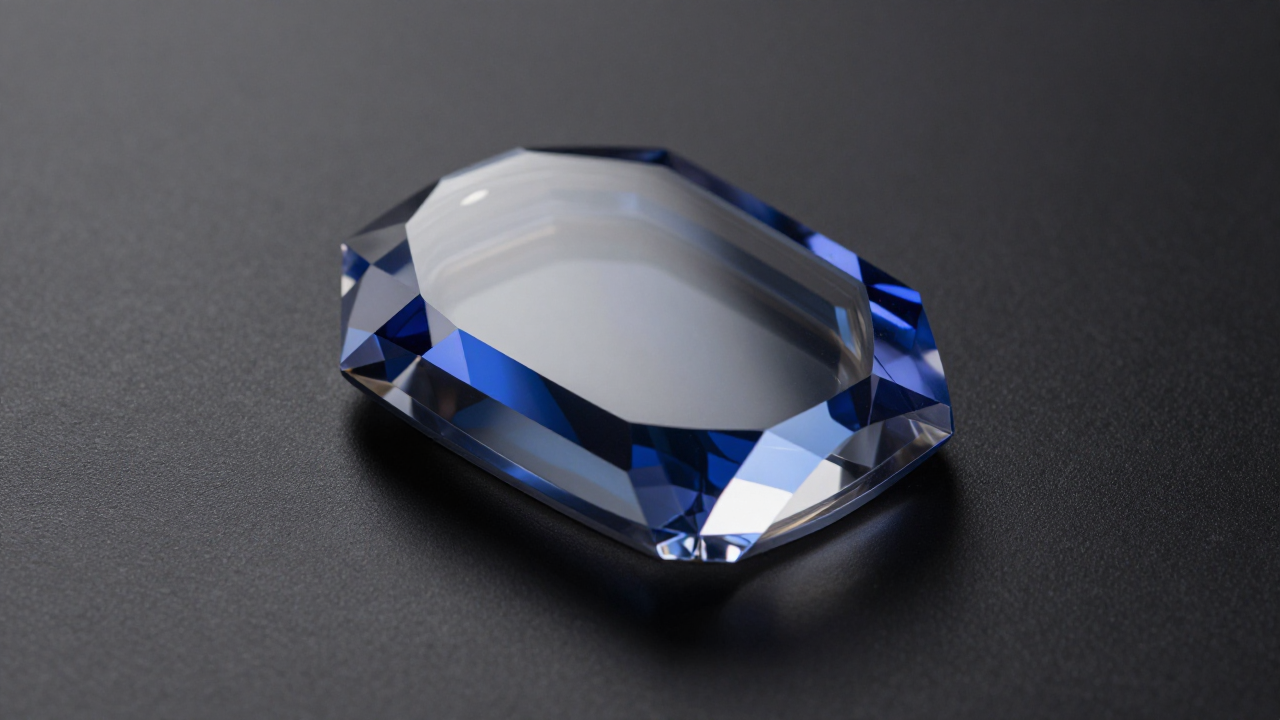
Lab-grown sapphire watch crystal wins for everyday wear, and roughly 95% of production builds should stop there. Natural sapphire justifies a 30x premium only when origin is the product being sold.…
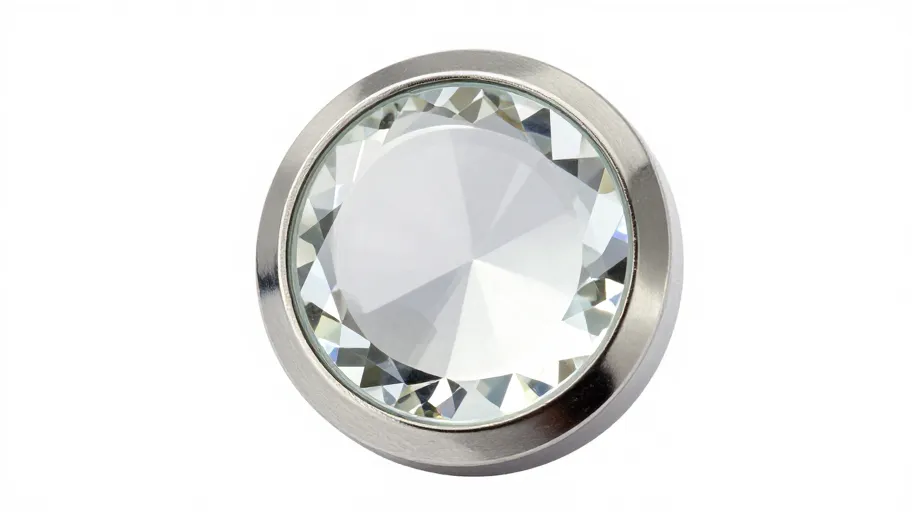
A sapphire watch crystal is made of synthetic sapphire — a single crystal of aluminium oxide (Al₂O₃), known as corundum, grown in a laboratory and sliced, ground and polished into a transparent watch lens. It is not natural gemstone and not ordinary glass; it is an engineered crystalline material chosen for hardness and optical clarity.
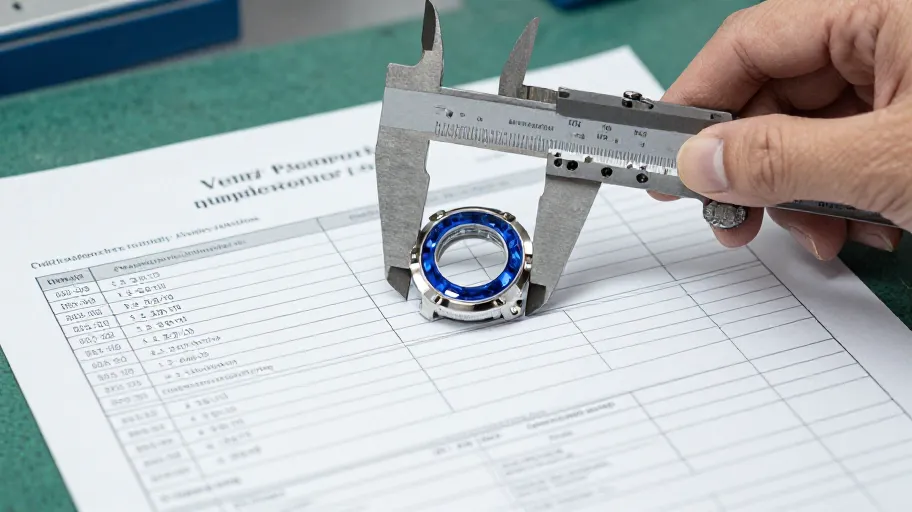
Evaluating a sapphire watch case manufacturer comes down to five things: verified production capability for your specific geometry, a documented quality and inspection system, clear engineering communication, written acceptance criteria, and terms for samples, tooling and escalation that you have confirmed in writing. Use the VERIFY Framework below to score every shortlisted supplier on the same evidence.
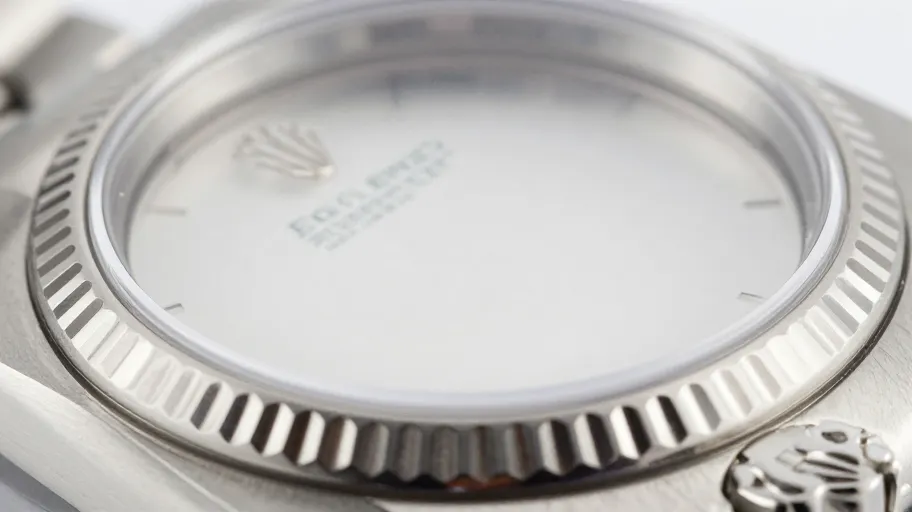
Yes — Rolex uses sapphire crystal across its current watch collections, having moved from acrylic to sapphire across its ranges over past decades. For component buyers, the useful question is not what Rolex uses, but how to specify, sample and approve sapphire crystals for your own product line with documented confidence at each step.
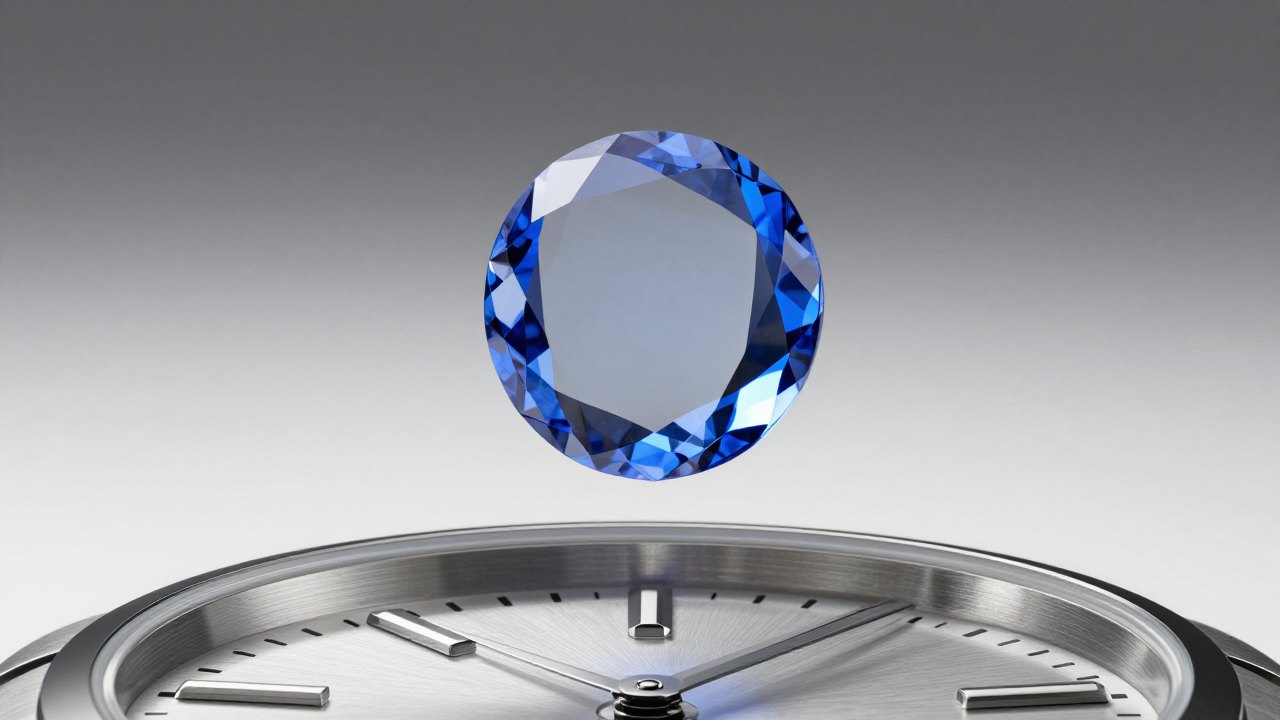
The most common mistake is treating "sapphire" as one commodity. Buyers spec hardness at Mohs 9, pick a diameter, and then shop on price per piece — ignoring growth method, internal strain, coating…
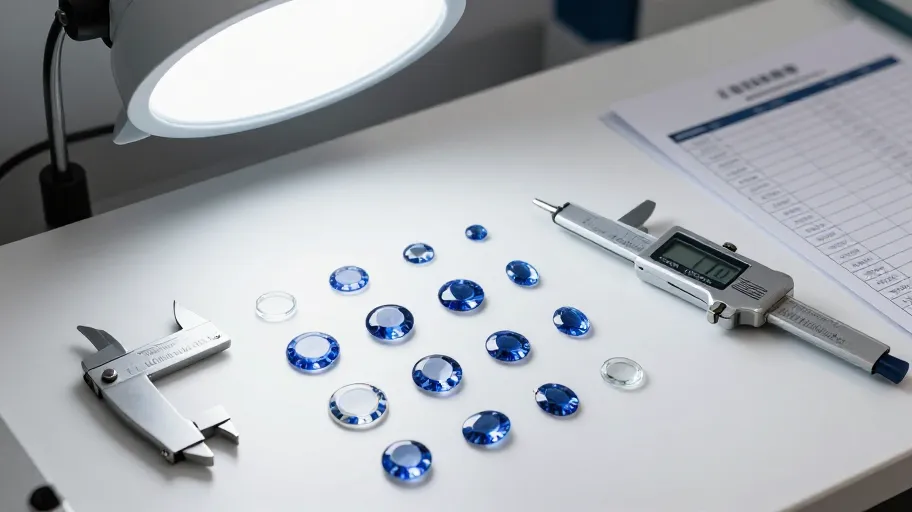
Photographs cannot tell you how a sapphire watch glass will behave in production, inspection or after assembly. To compare a sapphire watch glass supplier properly, request physical samples from every candidate, inspect them under controlled conditions using the same checklist, document every observation, and ask each supplier to confirm attributes and policies in writing before you approve a quotation.
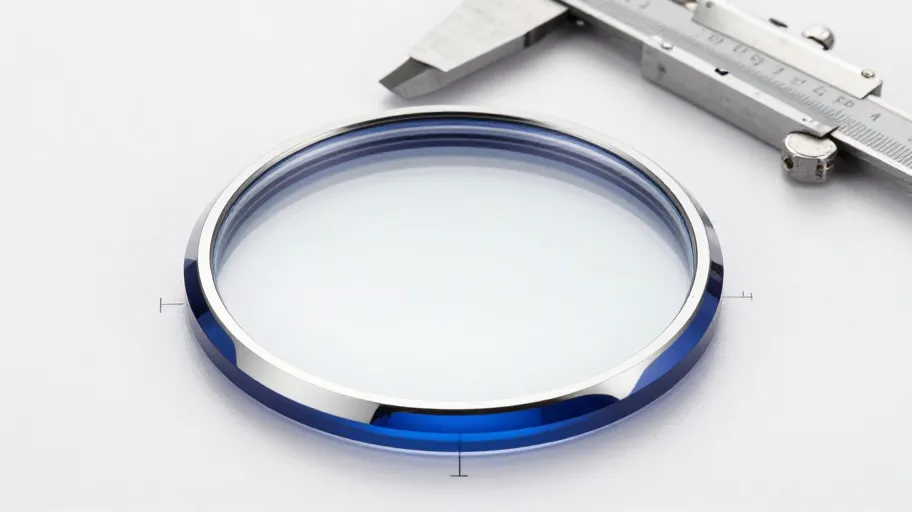
The tolerance measurements missed in a first sapphire crystal brief are the ones that define fit rather than appearance: seat and gasket interface geometry, chamfer angles and edge finish, flatness on large diameters, datum references, and how each dimension will be measured at inspection. Using a structured gate — we call it the DIMEN-Spec Gate — before releasing a drawing lets engineers, sourcing managers and repair buyers document every measurement, agree inspection methods, and approve the brief with the supplier in writing.
Page 22 of 62