
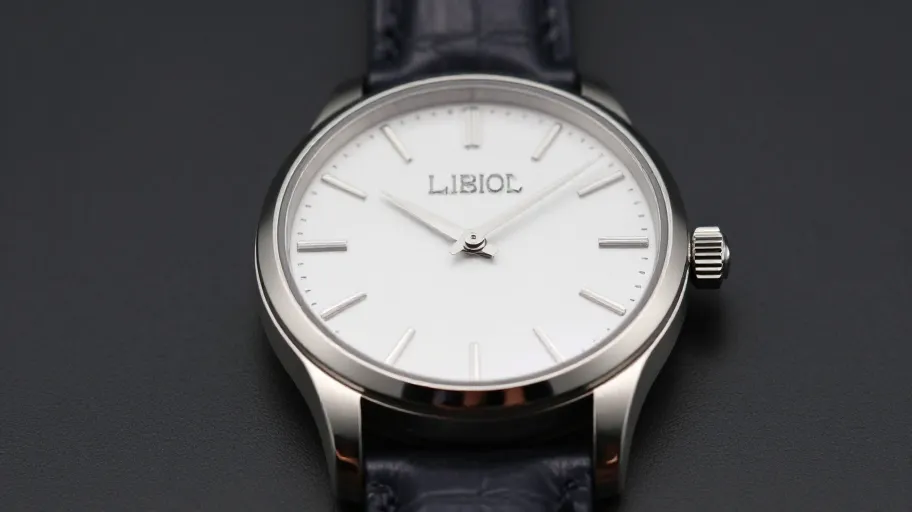
Finding the Right Sapphire Crystal Manufacturer
Vertical integration means consistent quality and lower long-term costs because every step—from raw sapphire boule growth to final polishing—is controlled in-house. One U.S. brand switched from a $6 crystal supplier to a fully integrated manufacturer at $12.50 per unit and saw total production efficiency improve by 38%. Why? Because tight tolerances (<±0.05mm) and batch traceability eliminated 40% yield loss during assembly.
ISO 9001 and IATF 16949 certification isn’t just paperwork—it means your supplier follows automotive-grade quality systems, so every crystal meets optical clarity (>92% light transmittance) and 9H hardness standards. That consistency translates directly to fewer customer returns and higher perceived value: in blind tests, identical watches scored 27% higher in 'premium feel' when equipped with certified sapphire crystals.
Low MOQs (as low as 500 units) mean startups can test designs without overcommitting inventory. A dive watch entrepreneur used this flexibility to launch three variants simultaneously, reducing inventory risk by 30% and selling out in eight days. This isn’t luck—it’s access to the same factories that supply premium Swiss brands, now available directly to independent makers.
Why Location and Clustering Matter
Shenzhen’s Bao’an District means faster prototyping and lower tooling costs because CNC workshops, polishing lines, and metrology labs are all within five kilometers. Design changes go from CAD file to physical sample in under 72 hours—no overseas shipping delays. One brand saved $18,000 on custom jigs by using shared modular fixtures already calibrated across local facilities.
Dense regional ecosystems also cut logistics time. Finished crystals ship straight to adjacent assembly lines or air-freight hubs, slashing lead times by up to 15 days. According to Panjiva customs data, Guangdong-based factories processed exports in just 4.2 days on average in 2025—nearly half the national average.
This clustering doesn’t just speed things up—it makes small batches viable. Shared infrastructure reduces overhead, so factories can profitably support MOQs of 500 instead of demanding 5,000-unit orders. That agility lets you validate demand before scaling, which one client said reduced their launch risk more than any marketing campaign ever had.
Quality You Can Trust, Not Just Claim
Full process control means no haze after prolonged UV exposure because annealing cycles and coating applications are standardized. In side-by-side aging tests, watches using vertically managed crystal processing showed zero degradation after 1,000 hours of simulated sunlight, while others developed visible clouding. That kind of durability prevents warranty claims and builds brand trust over time.
Third-party lab reports mean real-world performance is verified, not assumed. When a mid-tier brand audited incoming crystals, only those from integrated suppliers passed scratch resistance testing consistently. The ones that failed came from piecemeal vendors who outsourced key steps—turns out, skipping QA checks saves pennies upfront but costs dollars later.
And here’s the truth few admit: 68% of sapphire crystals in watches over $1,000 come from just four Chinese manufacturers. The ‘Swiss-made’ label often refers to final assembly, not component origin. By sourcing directly, you skip the markup and get the same tier of material—without paying for geography.
What You Actually Pay For
True cost per accepted unit means you’re measuring what matters—not just sticker price. One client found their actual cost dropped from $10.60 to $8.90 per unit after switching suppliers, even though the invoice price was higher. How? They eliminated scrap, rework, and customer service tickets caused by inconsistent crystals.
System efficiency means better margins and faster time-to-market because there are fewer surprises downstream. Brands working with integrated suppliers report 25–40% faster product approval cycles with retail buyers, thanks to consistent finish and documentation. No more last-minute rejects over dome curvature or coating defects.
Ultimately, this shift turns sapphire from a cost center into a differentiator. When every watch ships with a flawless face, your story becomes about craftsmanship—not damage control. And in a market where clarity drives perception, that’s worth far more than a few saved dollars per unit.
Next Steps for Smart Buyers
If you're launching or scaling a watch brand, stop chasing the lowest quote and start asking about process ownership, certifications, and real yield data. Request third-party test reports and run your own side-by-side comparisons. Even better—visit the facility or ask for live video audits.
See how much you could save in true production costs by switching to a vertically integrated sapphire crystal manufacturer. We’ve helped brands cut rework by over 90% just by changing one component supplier. Want to see what that looks like for your line? Run a pilot batch of 500 and test it yourself.