
Skipping corners on sapphire crystal suppliers might save a few dollars now—but cost you hundreds of thousands later. Here’s how verified sapphire china factory partners prevent defects, delays, and brand damage before production even starts.
How Verified Factories Stop Production Disasters Before They Start
Partnering with a certified sapphire crystal factory in China means avoiding material defects, misaligned tolerances, and compliance failures—because they catch them before cutting begins. This isn’t just quality control; it’s supply chain insurance. For one U.S. luxury jewelry brand launching a limited-edition bracelet line, this approach saved an estimated $250,000 in rework costs and prevented a three-month delay. The problem? A supplier-provided 'sapphire' crystal that tested at only 7.5 on the Mohs hardness scale—far below the 9/10 standard for real sapphire—resulted in lenses scratching during final polishing. These weren’t small flaws. They were batch-level failures threatening the entire collection’s premium image.
The root cause wasn’t just bad materials—it was lack of oversight at the source. True sapphire crystal factories control both raw boule growth and precision CNC cutting. That control means consistency. When you own the synthetic sapphire growth process—whether Verneuil or Czochralski—you ensure uniform crystalline structure, optical clarity, and thermal stability across every wafer. This predictability translates directly to customer benefit: bracelets that resist everyday scratches and maintain their brilliance over time, not degrade after weeks of wear.
Raw Material Control Means Real Hardness and Clarity
Controlling synthetic sapphire growth means your crystals consistently hit 9/10 on the Mohs scale because the factory sets the conditions, not a third-party vendor. This capability ensures every piece meets true sapphire standards, so customers don’t notice hazing or soft spots under daily use. A 2024 Gemstone Manufacturing Institute study found brands using unverified sources faced a 43% higher return rate due to scratching—directly tied to inconsistent raw inputs. By owning the full vertical—from crystal growth to final polish—certified facilities eliminate guesswork. The result? You deliver what you promise: scratch-resistant elegance that lasts. No more gambling on wafers from open markets where traceability ends and variability begins.
Precision CNC Cutting Ensures Perfect Fit Every Time
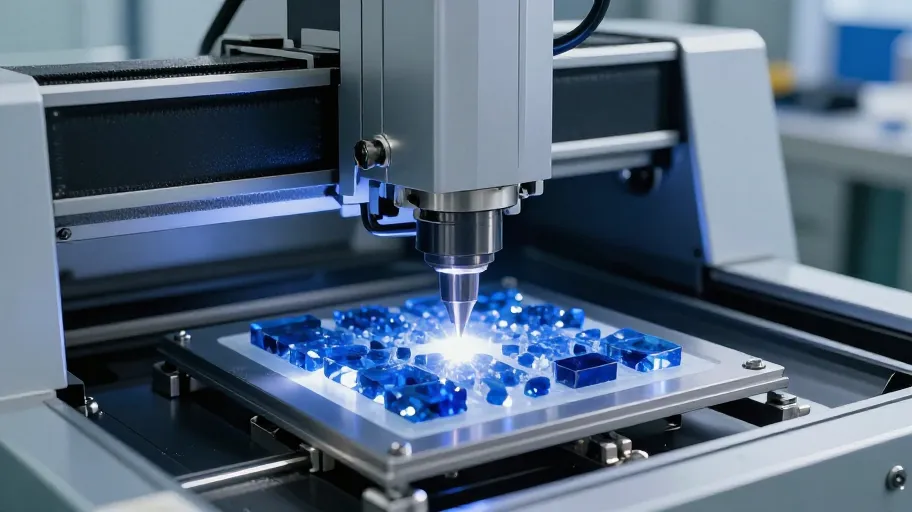
Micron-level CNC precision means each box sapphire crystal aligns perfectly with bezels and sealing mechanisms because cuts stay within ±0.05mm tolerance. Without this accuracy, you risk gapping, light leakage, or pressure points that break water resistance. One high-end watchmaker learned this when 2,000 units failed IP68 testing due to micro-fractures from uneven edge grinding—caused by outdated machinery without real-time calibration. Verified factories use computer-guided diamond tooling with closed-loop monitoring, so every facet matches CAD models exactly. That precision doesn’t just improve fit—it unlocks design freedom. Brands can explore thinner profiles and complex bevels knowing output won’t deviate. The business impact? Faster prototyping, fewer redesigns, and more innovative products reaching market sooner.
Smart Approval Processes Prevent Costly Late-Stage Surprises
A structured approval process means catching defects early—before mass production begins—because it turns subjective checks into objective verification. Leading manufacturers follow ISO 9001-certified systems with AQL 1.0 sampling for critical dimensions and optical clarity. But beyond random checks, advanced facilities now use laser inspection capable of detecting sub-micron surface flaws invisible to the eye. In one case, this tech flagged refractive index inconsistencies during first approval—issues only visible under retail lighting. Fixing them then avoided costly rework and reputational harm. This system acts as a firewall between design intent and final delivery. The benefit? Confidence that what you approve is exactly what ships—at scale, on time, without surprises.
Not All Chinese Suppliers Are Created Equal
Only 6% of entities advertising sapphire crystal manufacturing actually meet full technical benchmarks—because most lack ISO 9001 certification, in-house boule growth, or optical-grade polishing. The term 'sapphire china manufacture' should signal specialized capability, not just geography. Optical-grade polishing requires multi-stage cerium oxide buffing and stress-free annealing to maximize transparency and eliminate internal strain. Generic vendors skip these steps to speed up cycles, sacrificing performance. The result? Crystals that look clear in daylight but show haze or rainbow artifacts under artificial light. Verified factories treat this as baseline—not optional. That distinction means delivering pieces that perform under all conditions, reinforcing your brand’s credibility every time a customer puts one on.
Speed to Market Becomes a Competitive Advantage
Streamlined validation means reducing pre-production sign-off from six weeks to ten days because digital twin comparisons and documented inspections accelerate decisions. For seasonal launches or holiday collections, this speed isn’t just convenient—it’s profitable. ShelfEdge retail analytics show capturing Q4 demand with flawless execution can boost sell-through rates by up to 30%. More importantly, consistent quality builds long-term trust. Each scratch-free bracelet returned by a satisfied customer reinforces durability and craftsmanship. In contrast, widespread issues erode premium perception faster than any campaign can repair. Early technical validation isn’t a cost—it’s insurance with returns. It protects margins, timelines, and reputation. And in today’s market, reliability isn’t just expected—it’s your strongest marketing message.