';

NEWS CENTER

Pioneer and leader in the same industry
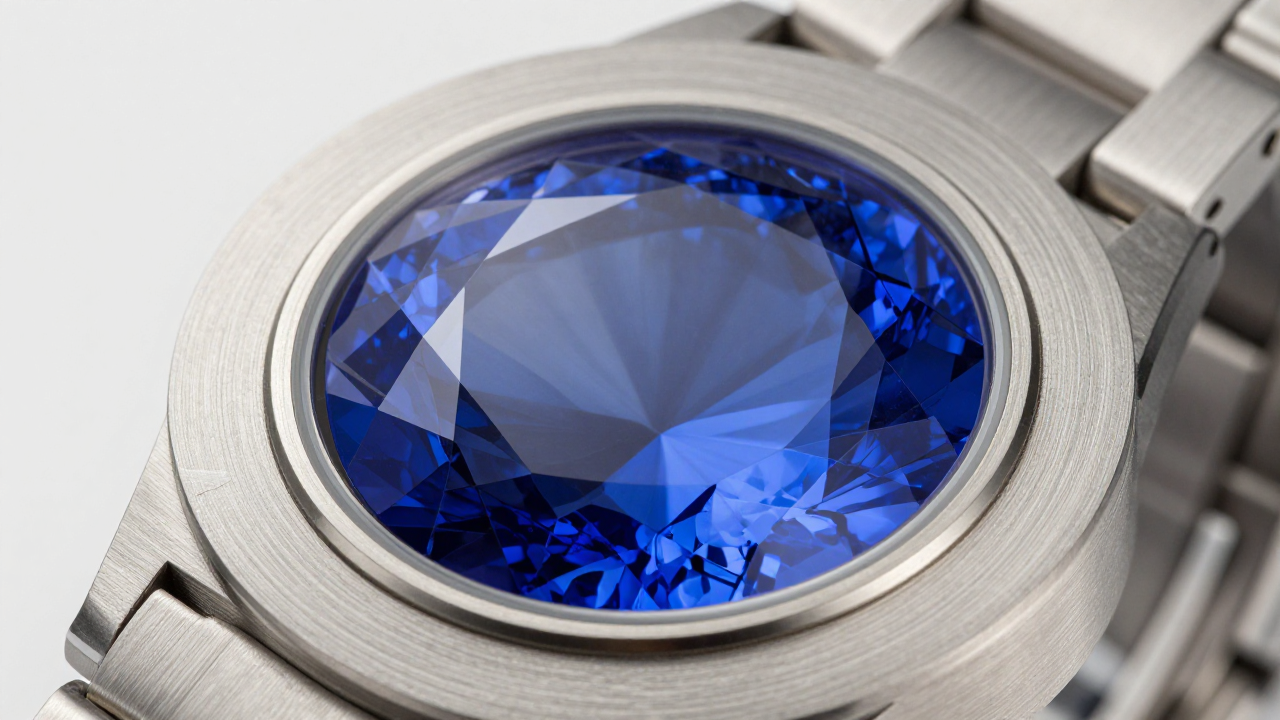
If you spend more than $400 on a watch in the US in 2026, mineral glass should not be on your radar.…

How to Specify a Custom Sapphire Watch Crystal

To successfully procure a custom sapphire watch crystal, engineering teams must provide comprehensive technical data that accounts for geometry, optical performance, and physical tolerance. By standardizing your specification package using a structured framework, you enable manufacturers to interpret design intent accurately, thereby reducing iterations and accelerating the validation phase.

How to Compare Sapphire Watch Crystal Manufacturers

Selecting a sapphire watch crystal manufacturer requires a rigorous assessment of technical capability rather than a simple comparison of price lists. For procurement and quality teams, the challenge lies in verifying that a supplier can consistently deliver optical clarity, dimensional precision, and coating durability at scale. To mitigate supply chain risk, buyers must adopt a verification-based approach that validates material origin, process control, and quality assurance protocols before engaging in production.

Flat, Box-Type or Domed Sapphire Watch Glass?

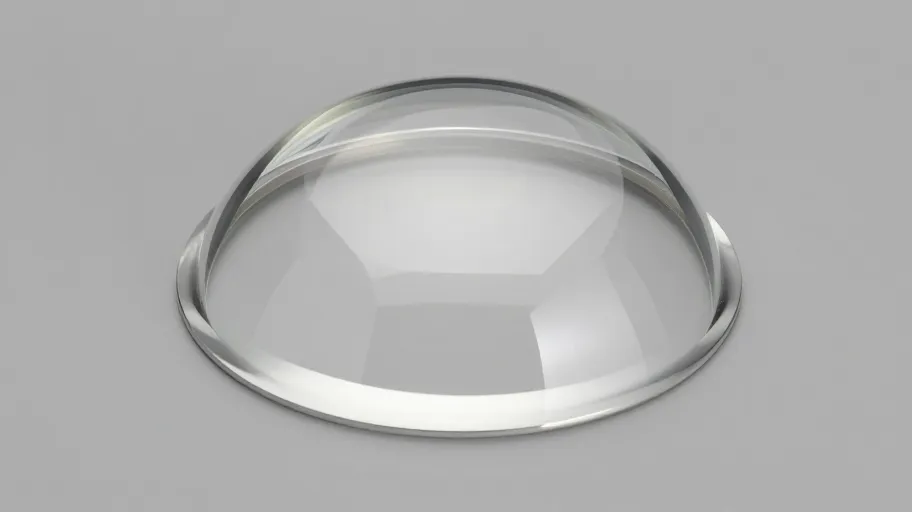
Selecting the correct geometry is a foundational decision in watch development that dictates both the aesthetic personality of the timepiece and the rigor of its engineering requirements. For watch designers and private-label brands, the choice between flat, box-type, and domed sapphire watch glass types balances the desire for visual depth against the practical constraints of water resistance, dial clearance, and shock absorption. While flat crystals offer superior structural stability and dial legibility, domed geometries provide a classic vintage allure but require precise calculation of height and refraction. Box-type crystals serve as a stylistic bridge, offering verticality without the extreme curvature of a high dome. To mitigate the risk of costly re-tooling or assembly failures, sourcing managers must evaluate these options not just by appearance, but by how their specific geometry interacts with the case architecture and movement height.

Choosing the right sapphire crystal manufacturer in China can save your brand from disaster. We’ll show you how to cut through the noise and find suppliers who deliver real precision—not just polished promises.

Chinese sapphire crystal factories aren't just making glass—they're redefining what it means to deliver consistent, high-precision optical materials at scale. With 99.8% yield rates, they’ve shifted the global benchmark for quality.

Flat box-type or domed sapphire watch glass isn’t just a component—it’s a brand promise. Synthetic sapphire delivers 30–50% longer product lifecycle, slashing warranty costs and boosting resale value. Here’s how the right sapphire china factory changes everything.

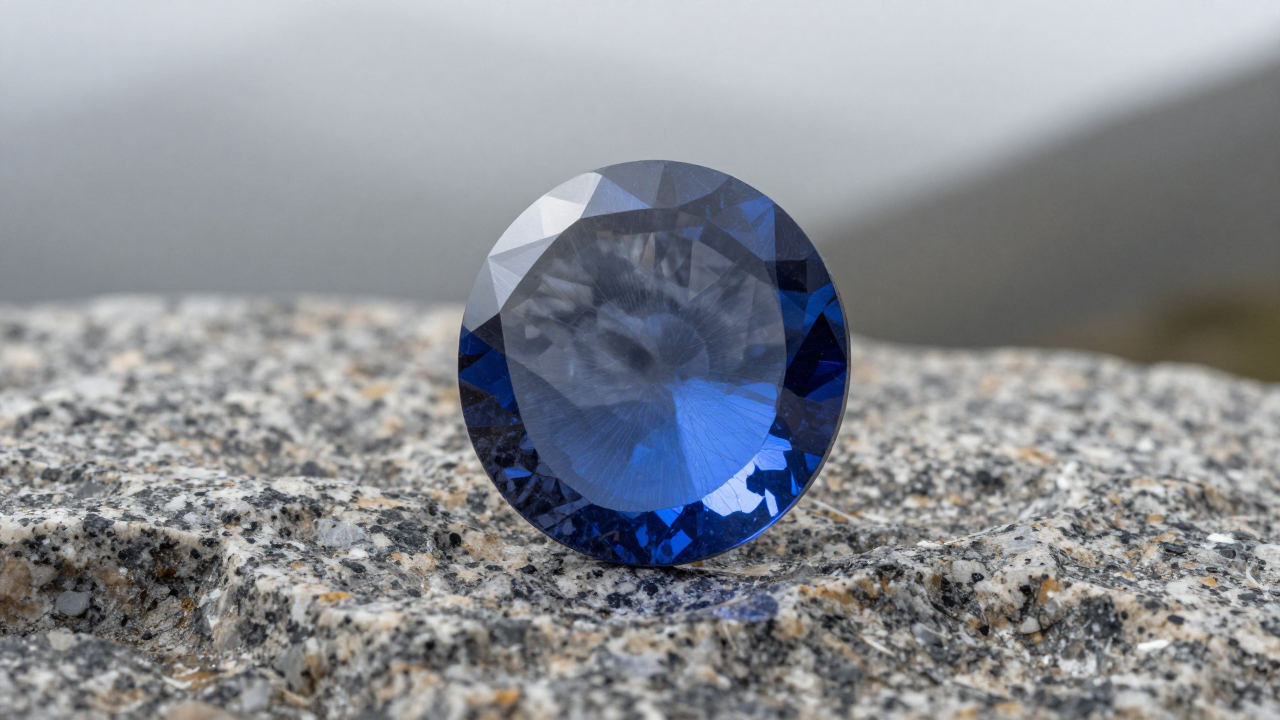
Ask any watchmaker at the 2025 Las Vegas JCK show what separates a $500 diver from a $5,000 one, and you'll hear the same thing inside two minutes: the sapphire watch crystal.…

How to Specify a Custom Sapphire Watch Crystal

Successfully procuring a custom sapphire watch crystal requires translating aesthetic intent into precise engineering language. For product developers and sourcing managers, the difference between a successful production run and a batch of rejected components often lies in the clarity of the initial specifications. To ensure your manufacturer can deliver exacting results, you must move beyond simple diameter measurements and define the geometry, surface physics, and fitment tolerances using a structured technical approach.

How to Compare Sapphire Watch Crystal Manufacturers

Sourcing a sapphire watch crystal manufacturer requires a forensic approach to technical verification rather than a simple comparison of price lists. Procurement teams must move beyond surface-level aesthetics to rigorously validate a supplier’s ability to deliver consistent dimensional accuracy, optical purity, and coating durability. To mitigate production risks, buyers should adopt a structured framework that scrutinizes raw material provenance, precision machining tolerances, and quality assurance protocols before committing to a bulk order.