
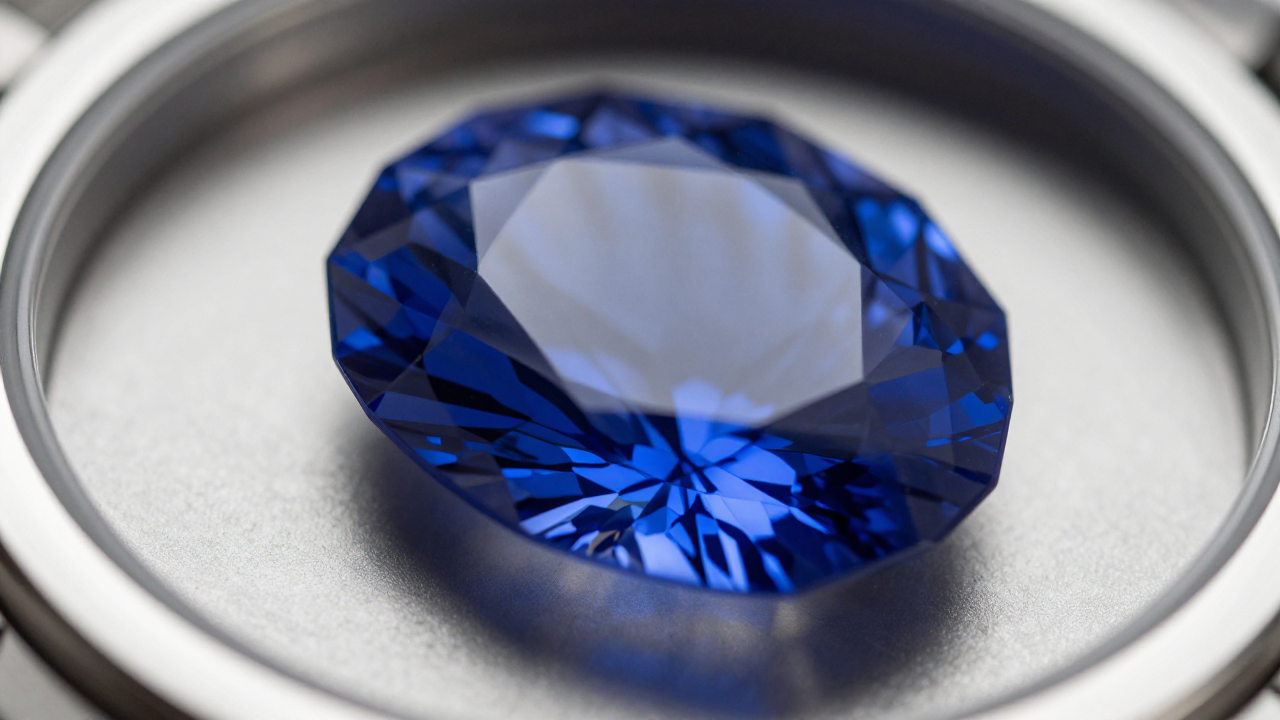
Sapphire watch crystals are a staple in the world of high-end timepieces, known for their durability and clarity.…
These materials not only enhance the aesthetic appeal of a watch but also provide robust protection against scratches and impacts. In 2026, as the market continues to evolve, understanding the nuances of sapphire crystals is more important than ever. Let's dive into what makes sapphire the preferred choice and the science behind its exceptional properties.
Understanding Sapphire Watch Crystals: The Ultimate Guide
What Makes Sapphire Crystal the Preferred Choice for Luxury Watches
Sapphire crystal is a synthetic form of aluminum oxide (Al₂O₃) that is second only to diamond in terms of hardness. This means it can withstand everyday wear and tear without showing signs of damage. According to industry standards, sapphire crystals have a Mohs hardness rating of 9, making them highly resistant to scratches from common materials like glass, metal, and sand.
Moreover, sapphire crystals offer excellent optical clarity, allowing for a clear view of the watch face. They are also chemically inert, which means they won't react with sweat, lotions, or other substances that might come into contact with your watch. This combination of durability and clarity makes sapphire the go-to material for luxury watch manufacturers.
The Science Behind Sapphire's Durability and Clarity
The durability of sapphire crystal comes from its molecular structure. The tightly packed atoms in the crystal lattice create a strong, rigid material that resists deformation and cracking. Additionally, sapphire is transparent to visible light, which contributes to its clarity. This transparency is due to the absence of impurities and the uniform arrangement of the atoms in the crystal.
In the manufacturing process, sapphire crystals are grown using a method called the Verneuil process, where aluminum oxide powder is melted and then cooled to form a single crystal. This process ensures that the resulting sapphire is free from inclusions and has a consistent quality.
Choosing the Right Sapphire Watch Crystal: Key Considerations
Selecting the right sapphire watch crystal involves evaluating several key factors, including quality, authenticity, cut, and finish. Here’s how to ensure you get the best sapphire crystal for your 2026 timepiece.
Evaluating the Quality and Authenticity of Sapphire Crystals
Quality is paramount when it comes to sapphire crystals. A high-quality sapphire should be free from inclusions, bubbles, and other imperfections. One way to verify the authenticity of a sapphire crystal is to check for a manufacturer's mark or certificate. Reputable manufacturers often provide these to ensure the crystal meets industry standards.
Another method is to perform a scratch test. While this is not recommended on a finished product, a small, inconspicuous area can be tested with a sharp object like a steel file. If the surface remains unscratched, it is likely a genuine sapphire crystal.
How to Assess the Cut and Finish for Optimal Aesthetics
The cut and finish of a sapphire crystal can significantly impact its appearance and functionality. A well-cut sapphire will have smooth, even edges and a polished surface. Look for a crystal that is perfectly flat and free from any warping or unevenness.
The finish of the crystal should be mirror-like, with no visible scratches or blemishes. Some manufacturers also offer anti-reflective (AR) coatings, which reduce glare and improve readability. When assessing the finish, make sure the AR coating is evenly applied and does not have any visible defects.
Common Misconceptions About Sapphire Watch Crystals: Debunked by Experts
There are several myths surrounding sapphire watch crystals that can lead to confusion. Let’s separate fact from fiction and provide some expert insights on maintaining and caring for your sapphire crystal.
Myth vs. Reality: Separating Fact from Fiction
Myth 1: Sapphire crystals are unbreakable. Reality: While sapphire is extremely hard, it is not unbreakable. It can still chip or shatter if subjected to significant impact. Myth 2: All sapphire crystals are the same. Reality: The quality of sapphire crystals can vary greatly depending on the manufacturing process and the presence of inclusions. High-quality sapphires are free from imperfections and have a superior finish. Myth 3: Sapphire crystals do not need maintenance. Reality: Although sapphire is durable, it still requires regular cleaning and care to maintain its clarity and appearance. Avoid using abrasive cleaners and opt for a soft, lint-free cloth.Expert Insights on Maintaining and Caring for Your Sapphire Crystal
To keep your sapphire crystal in top condition, follow these tips:
Marketing Your Sapphire Watch Crystal: Strategies for Success
Marketing a sapphire watch crystal effectively requires highlighting its unique features and benefits. By creating engaging content that resonates with watch enthusiasts, you can build a strong brand presence and drive sales.
Highlighting Unique Features and Benefits in Marketing Campaigns
When marketing sapphire watch crystals, focus on the following key points:
Creating Engaging Content That Resonates with Watch Enthusiasts
Engage your audience with content that showcases the craftsmanship and attention to detail that goes into each sapphire crystal. Consider the following strategies:
Q&A: Expert Answers to Your Sapphire Watch Crystal Questions
Frequently Asked Questions About Sapphire Crystals
Q: Can I replace my current watch crystal with a sapphire one? A: Yes, many watches can be retrofitted with a sapphire crystal. However, it's best to consult a professional jeweler to ensure a proper fit and installation. Q: How do I know if my sapphire crystal is authentic? A: Look for a manufacturer's mark or certificate, and consider performing a scratch test on an inconspicuous area. A genuine sapphire crystal will remain unscratched. Q: Do sapphire crystals require special care? A: While sapphire is durable, it still needs regular cleaning and proper storage. Use mild soap and water, and avoid abrasive cleaners. Store your watch in a protective case when not in use.Practical Tips from Industry Professionals
By following these practical guidelines, you can select, compare, and maintain the best sapphire watch crystal for your 2026 timepiece. Whether you are a seasoned collector or a first-time buyer, understanding the key considerations and common pitfalls will help you make an informed decision.