
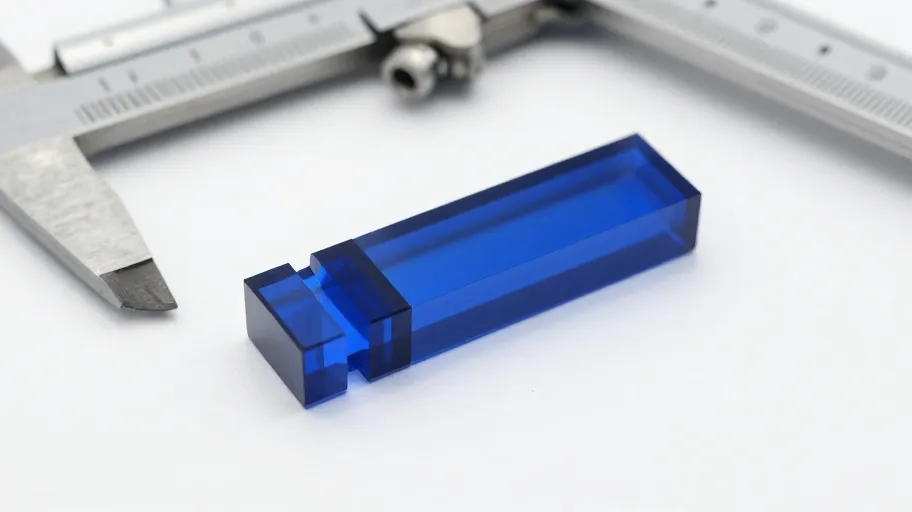
Sourcing precision sapphire waveguides requires thorough documentation before you commit to a supplier. You must verify optical specifications, confirm manufacturing capabilities, and document all commercial parameters to ensure your project requirements are met without ambiguity.
The Waveguide Sourcing Clarity Framework
When acquiring precision sapphire waveguides for watch applications or specialized components, entering the procurement phase without a structured documentation process invites risk. The Waveguide Sourcing Clarity Framework is an approach designed to help sourcing managers, product developers, and watch brands organize their technical and commercial inquiries before engaging a manufacturer. This framework ensures that every critical parameter is questioned, verified, and approved by your engineering and procurement teams.
The framework rests on three pillars: Document, Verify, and Approve.
- Document: Record all application-specific requirements, including optical transmission targets, geometric tolerances, and environmental durability expectations.
- Verify: Request evidence from the supplier to support capability claims. Ask for process descriptions, measurement methods, and material documentation.
- Approve: Establish internal sign-off milestones based on the supplier's confirmed answers, ensuring no production begins without verified parameters.
Sourcing readiness decision table
Use this table to assess your current readiness before submitting an RFQ for precision sapphire waveguides.
| Readiness stage | Documentation state | Risk level | Next action |
|---|---|---|---|
| Stage 1: Conceptual | Basic dimensions sketched; no optical parameters defined. | High | Define transmission and defect acceptance criteria. |
| Stage 2: Specified | Engineering team has documented tolerances; supplier capability unverified. | Medium | Request manufacturing capability evidence. |
| Stage 3: Verified | Supplier has answered technical questions; commercial terms unconfirmed. | Low | Document and confirm commercial parameters. |
| Stage 4: Approved | All technical and commercial parameters documented and approved. | Minimal | Proceed with order commitment. |
Technical approval questions to document
Before committing to a purchase of precision sapphire waveguides, document the following questions and require direct, written confirmation from your supplier.
Material and optical specifications
- What sapphire growth method is utilized for these components?
- What is the specific optical transmission percentage required for your application, and can the supplier confirm meeting this target?
- How does the supplier define and measure acceptable bubble and inclusion levels within the sapphire?
- What surface finish specifications (e.g., roughness average) can the supplier achieve and verify?
Manufacturing and geometry capabilities
- What geometric complexities (e.g., curves, steps, holes) can the supplier produce?
- What dimensional tolerances can the supplier commit to for this specific part?
- What machining processes are used to achieve the required edge quality?
- How does the supplier inspect for edge chipping and micro-fractures?
Coating and treatment specifications
- If anti-reflective coatings are required, what coating materials are applied?
- How does the supplier measure coating adhesion?
- What environmental exposure tests does the supplier conduct on coated components?
- Can the supplier provide documentation for coating durability under specified conditions?
Commercial parameters to confirm
- What is the minimum order quantity for this specific custom component?
- What is the estimated lead time for initial sampling and for production runs?
- What is the current sample policy, and are sample fees applied?
- What are the accepted shipping terms and logistics procedures?
FAQ
What is a precision sapphire waveguide? A precision sapphire waveguide is a component manufactured from synthetic sapphire designed to direct or manipulate light. In watch and component manufacturing, these require strict optical clarity and precise geometric tolerances. You must confirm the specific optical and dimensional parameters with your supplier.
How do I specify sapphire quality for my project? You must document your application requirements regarding optical transmission, bubble density, and surface finish. Present these specifications to the supplier and ask for confirmation of their ability to meet them. Request their internal grading standards to ensure alignment.
What tolerances can be achieved? Dimensional tolerances depend on the specific geometry, size, and machining processes required. You must document your required tolerances and ask the supplier to confirm achievable limits in writing.
How are coating performances verified? You should ask the supplier for specific test data regarding coating adhesion and durability. Document the environmental conditions your components will face and request confirmation that the coating has been tested under comparable conditions.
What should I ask regarding order minimums? Order minimums are project-specific. Ask the supplier to confirm the minimum order quantity for your exact component, as complexity and material requirements influence this parameter.