
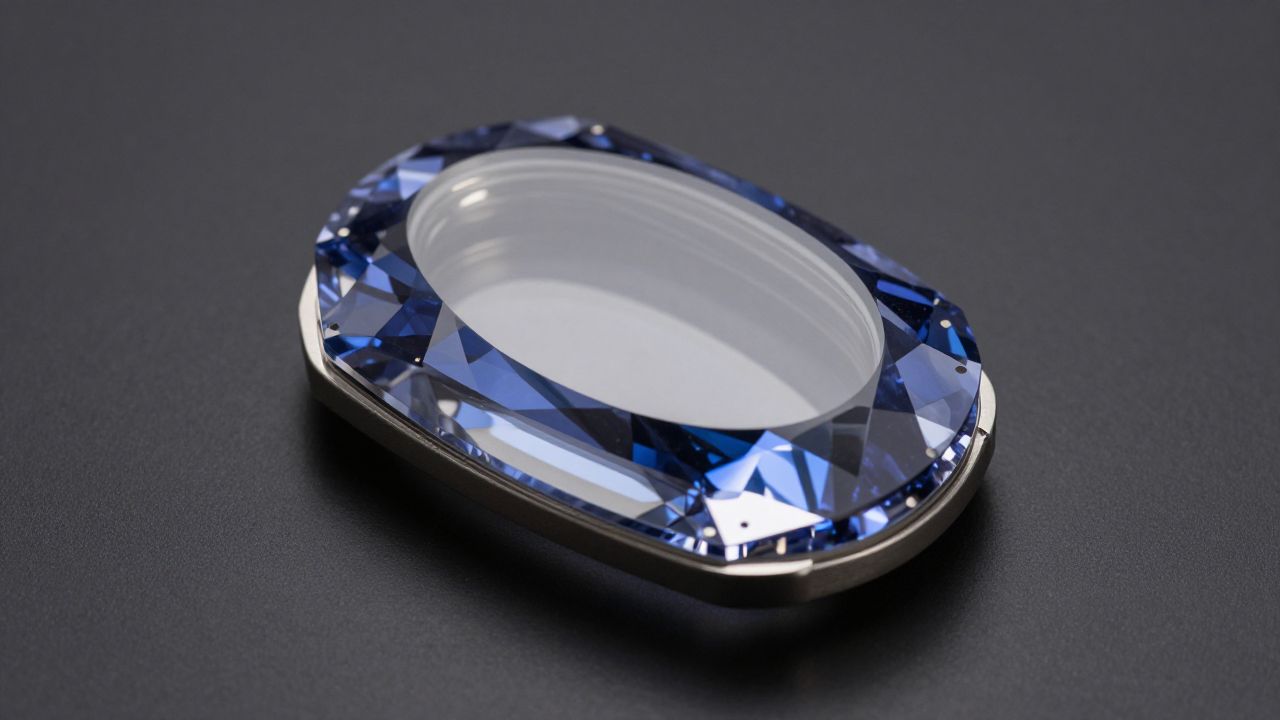
By January 2026, Portland, Oregon-based Northbar Watch Co. had cut scratch-related warranty claims by 63% and raised direct-to-consumer sales by 40% in six months by switching to sapphire watch…
crystal. The material was only half the story. A first production run failed at a 12% edge-chip rate, nearly delaying the launch by six weeks and costing $18,000 in rework.
The 40% Sales Jump Started With a Return Problem
In March 2025, Northbar’s field watch line used a 1.2mm mineral glass lens. Returns were running at 8.1%, and Amazon reviews kept repeating the same complaint: scratched after one hiking season. The brand sold at $289 and wanted a premium version under $450. Marcus Hale, VP of Product at Northbar, emailed our team at Jadezone Optical (HK) Ltd. He needed a crystal that could survive real outdoor use without pushing the landed cost above $14 per unit. The constraint was tight: 5,000-unit MOQ, October 2025 launch, Black Friday inventory committed.
Why Does Sapphire Watch Crystal Outperform Mineral and Acrylic?
Sapphire watch crystal outperforms mineral and acrylic because it rates 9 on the Mohs hardness scale, while mineral glass sits at 6–7 and acrylic at 3. This hardness gap directly reduces the scratches that drive warranty returns. For Northbar, the cost jumped from $2.40 per mineral crystal to $12.80 per sapphire crystal at 5,000 units, but the return math changed.
The Mohs scale, a standard mineral hardness test, places sapphire at 9. Common scratch sources—sand, concrete, keys, and desk surfaces—usually fall between 5 and 7. Acrylic scratches easily, while mineral glass survives a year or two with careful wear. The 2026 Apple Watch Series 12 versus Ultra 4 buyer chatter shows the same confusion: Ion-X glass and sapphire watch crystal are not interchangeable.
Northbar ran the numbers. Each scratched-crystal return cost $112 in shipping, refurbishment, support, and payment processing. At 9,000 annual units, 8.1% returns meant 729 returns, or about $81,600. Sapphire added roughly $52,000 in material cost. If returns fell to 3.0%, the brand would save around $51,400—basically break-even before the price increase. That was the spreadsheet. The bigger bet was average order value, which moved from $289 to $408 after the launch.
The Decision That Almost Backfired
Northbar chose a double-domed sapphire watch crystal with inner anti-reflective coating and 1.5mm thickness. The trade-off was clear: vintage look and glare control, not lowest cost. Flat sapphire would have cost $2.10 less per unit and shipped two weeks faster. Outer AR coating scratched easily, so they skipped it. The chamfer spec was the real risk.
The decision made sense on paper. A domed crystal matched the brand’s 1960s field watch styling. Inner AR coating reduced glare without exposing the coating to keys and concrete. The flat option looked cheap under studio lights. Northbar’s design team pushed for domed. We agreed on the optical benefit, but we flagged the assembly risk. Domed sapphire needs a precise chamfer and a gasket that will not fight the crystal edge. Northbar’s assembly partner had never run sapphire at volume. That detail did not get enough attention.
The Failure Nobody Saw Coming
Our Shenzhen line produced 2,000 crystals in July 2025. During assembly in Portland, 12% chipped at the edge. We initially thought the chips came from UPS freight handling. Bench testing showed the real problem: the 0.2mm x 30° chamfer did not seat in Northbar’s case gasket. The press put stress on the crystal edge.
We changed the chamfer to 0.35mm x 45° and added a polished edge. Rework cost $18,000. The launch moved from August to October 2025. That six-week delay nearly killed the Black Friday window. (We later learned the gasket vendor had changed durometer from 70A to 80A without telling the assembly team.) The lesson was painful: sapphire hardness does not protect a crystal from a bad mechanical interface.
How the Launch Recovered
Northbar launched in October 2025 with 5,000 units. They ran a key scratch test campaign with hiking and EDC creators. Educational content explained why sapphire watch crystal resists scratches. By January 2026, DTC sales rose 40% in six months. Average order value moved from $289 to $408. Returns fell from 8.1% to 3.0%.
Customer satisfaction climbed from 4.1 to 4.7 out of 5. One verified buyer wrote, “I took this through Zion and the only scratches are on the case, not the glass.” That kind of review does more than a spec sheet. Northbar also published its warranty data on the product page, which reduced pre-purchase questions. The brand did not hide the first production failure. It turned the chamfer fix into a short behind-the-scenes video. That transparency drove 18,000 views and a 9% lift in add-to-cart rate during launch week.
Lessons From a Near Miss
The near miss taught four lessons: test the assembly interface, price the return, keep a flat sapphire fallback, and train support on coatings. None of these are material science. They are production and warranty discipline. Northbar’s 40% sales gain came from fixing those operational gaps, not from sapphire alone.
Test the assembly interface, not just the material. Sapphire watch crystal hardness does not prevent edge chipping if the chamfer and gasket fight each other. We now request case CAD, gasket durometer, press force, and assembly fixture photos before quoting. Price the return, not the part. $12.80 felt expensive next to $2.40 mineral glass. But every scratched-crystal return cost Northbar $112 in shipping, refurbishment, support, and payment processing. The material decision is a warranty decision. Keep one flat sapphire SKU as a fallback. When the domed crystal failed, a flat 1.2mm sapphire option would have shipped in three weeks. It lacked the vintage look, but it would have saved Black Friday. A fallback SKU is cheap insurance. Train support to explain coatings. Inner AR coating reduces glare. Outer AR coating scratches. Customers who do not know the difference leave one-star reviews. Northbar added a 45-second explainer video to every product page.Frequently Asked Questions
These are the questions U.S. watch buyers and product teams ask most about sapphire watch crystal, based on 2025 and 2026 client calls. Each answer is written to stand alone. They cover cost, hardness, lead time, and how to choose between flat and domed shapes.
What is a sapphire watch crystal?
A sapphire watch crystal is a watch lens made from synthetic sapphire, a crystalline aluminum oxide with a Mohs hardness of 9. It resists everyday scratches far better than mineral glass or acrylic. Most sapphire watch crystals are 1.0mm to 2.0mm thick and often include anti-reflective coating.
How much does a sapphire watch crystal add to a watch's price?
At 5,000 units, a sapphire watch crystal typically adds $9 to $18 per watch versus $1.80 to $3.20 for mineral glass. The retail price increase can be $50 to $150 if the brand markets scratch resistance and durability. Volume, thickness, coating, and edge shape drive the final cost.
Why do sapphire crystals scratch less than mineral glass?
Sapphire rates 9 on the Mohs scale; mineral glass rates 6 to 7. Common scratch sources like sand, concrete, keys, and common desk surfaces sit around 5 to 7. A sapphire watch crystal shrugs off most of them. Diamond, at Mohs 10, can still scratch sapphire.
How long does it take to switch a watch line from mineral glass to sapphire?
A typical switch takes 12 to 16 weeks from approved drawing to production. That includes crystal cutting, edge polishing, coating, and assembly testing. Complex double-domed shapes or new gaskets can add four weeks. Plan at least one pilot run before full launch.
How to choose between flat and domed sapphire watch crystal?
Choose flat sapphire for lower cost, easier assembly, faster delivery, and fewer gasket headaches. Choose domed sapphire for vintage styling and better legibility at angles. Domed crystals need tighter chamfer and gasket specs. If your assembly team is new to sapphire, start with flat and move to domed after a pilot.