Pioneer and leader in the same industry
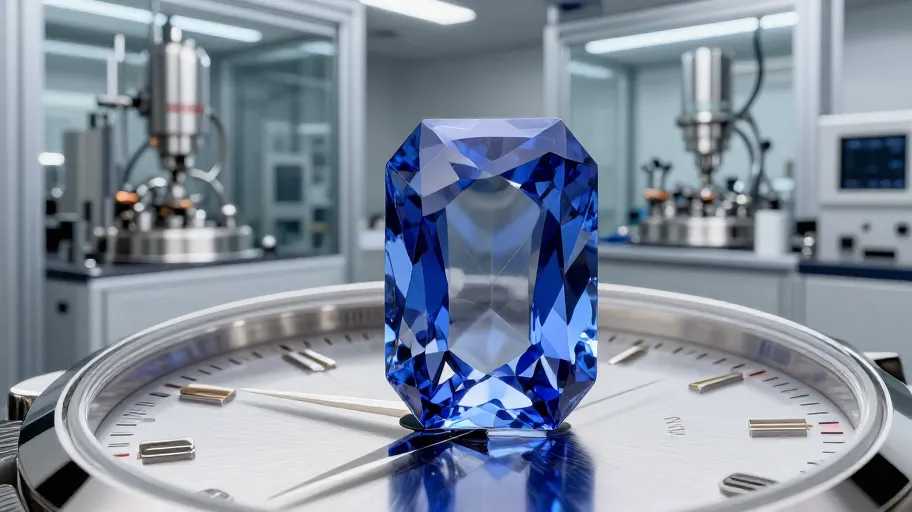
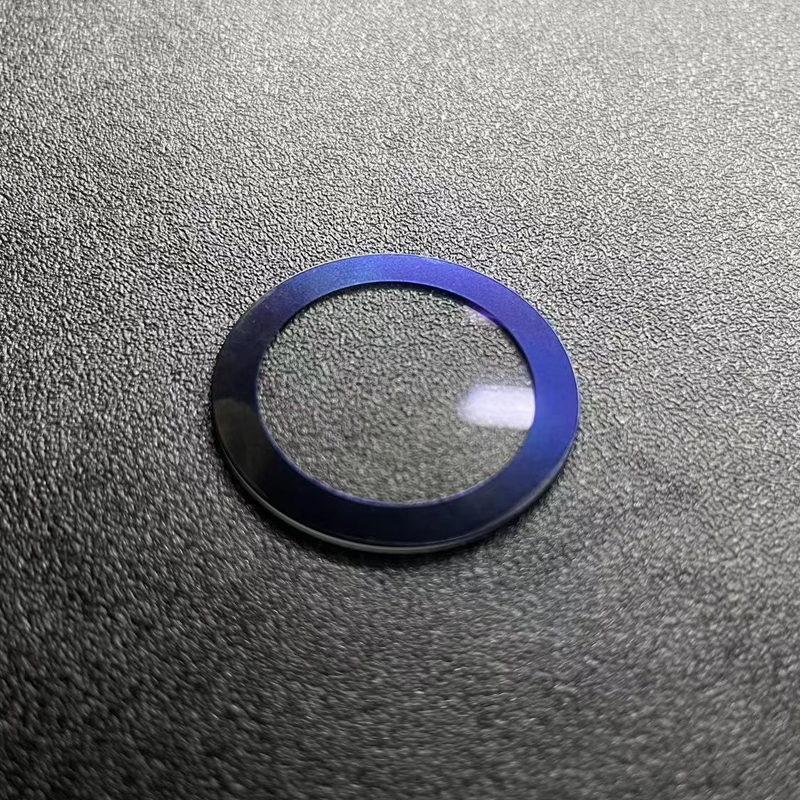
Compare sapphire watch crystal manufacturers on evidence you can verify — how they engage with your drawing, what they inspect and how they report it, and how they handle geometry, edge, coating and fit — rather than on marketing adjectives. A supplier that asks precise questions about your case interface is engaging with the part; one that quotes a price before seeing your dimensions is quoting a placeholder. This guide gives you a checklist for turning a shortlist into a decision.
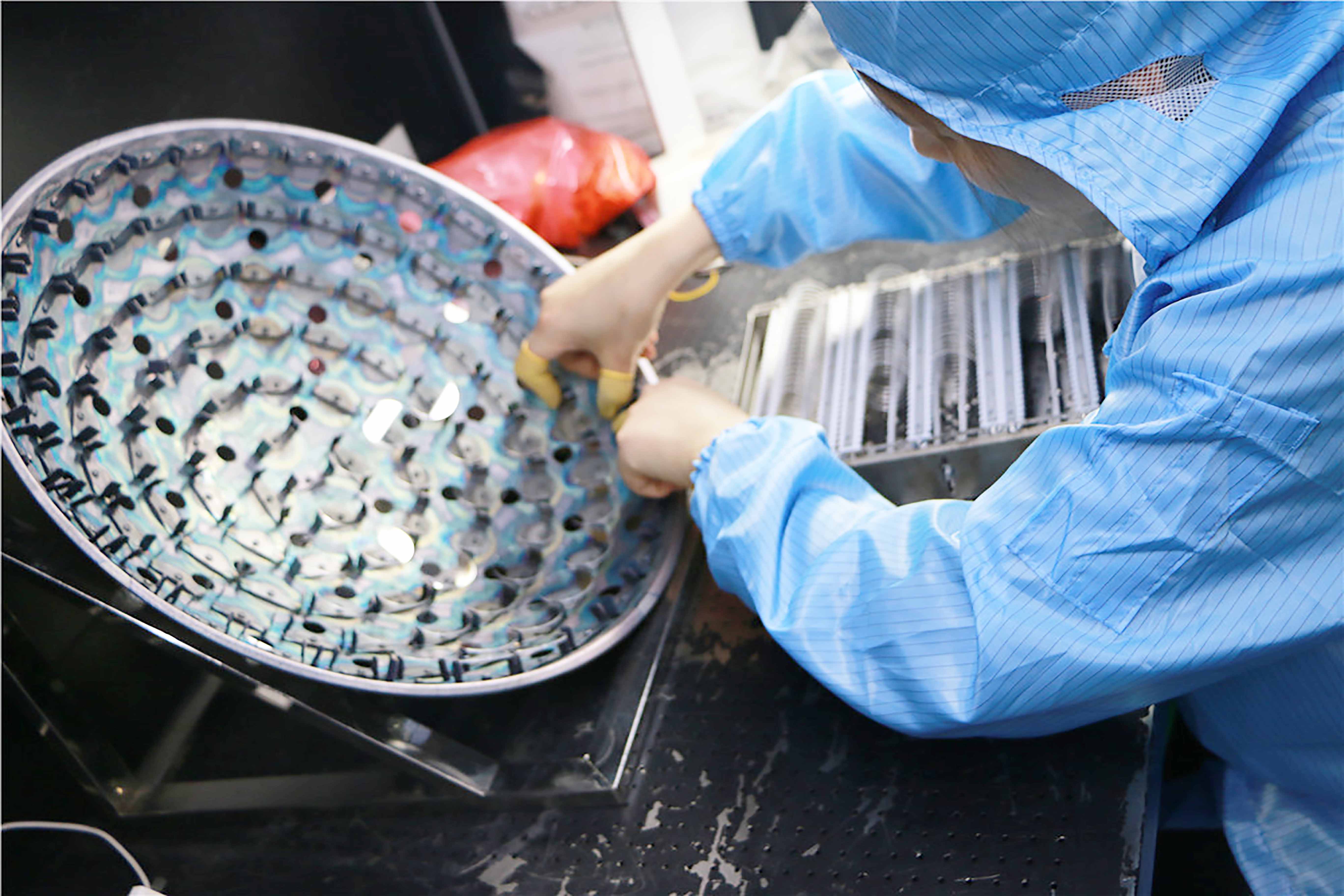
A custom sapphire watch crystal is defined by six things: outer diameter, thickness, edge and chamfer, profile (flat, domed or box), any anti-reflective coating, and the inspection criteria you will accept it against. If you can put those six on a drawing or a dimension sheet, a supplier can review the part and start a real conversation. If any of the six is missing, the first round of quoting turns into guesswork, and the sample you get back may not match what your case actually needs.
This guide walks through what to put on the drawing before you ask for a quote, so the review is based on your geometry rather than on assumptions.
Anti-reflective (AR) coating reduces glare on a sapphire crystal by cutting surface reflections. It can be applied to the underside only, the top only, or both sides. Underside-only is the common starting point because it is protected from wear; double-side coating reduces glare further but puts a coated surface on the exposed top, where handling and inspection expectations differ. The right answer depends on how much glare reduction you want versus how the top surface will wear and be judged.
This article lays out the trade-off so you can confirm a coating specification with your supplier.
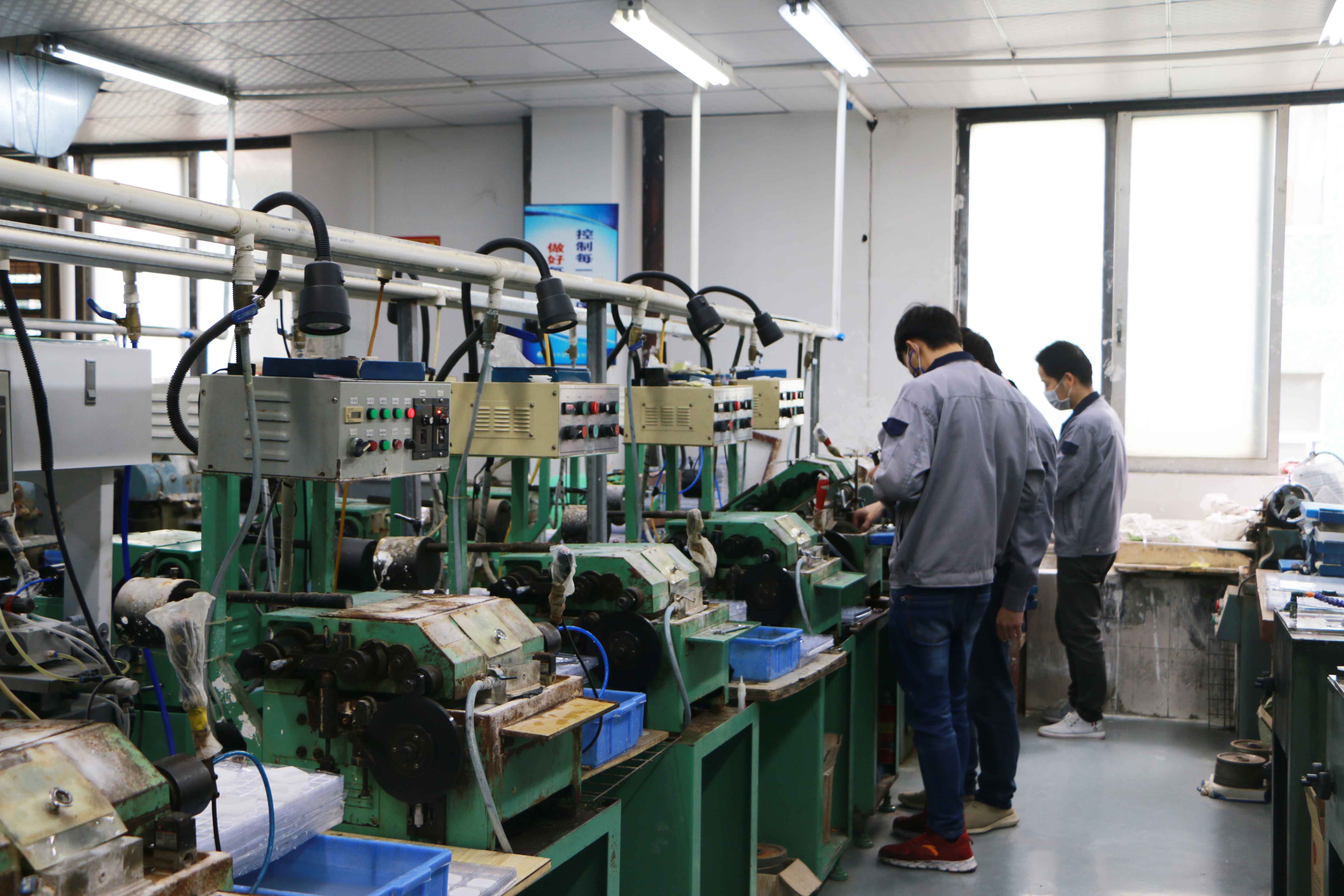
A sapphire crystal inspection plan defines three things before a batch ships: the dimensions you check and to what tolerance, the clarity and internal quality you accept, and the surface and edge condition you require. Agree these with your supplier up front and "acceptable" means the same thing on both sides. Leave them undefined and every shipment becomes a negotiation about whether a part passes. This guide covers what to put in the plan so acceptance is decided by criteria, not by argument.

Sapphire Glass: Core Material for AI-Powered Smart Rings
As artificial intelligence reshapes wearable health tech, synthetic sapphire glass has become an indispensable core material for AI smart rings embedded with biometric chips. These slim sapphire rings integrate mini PPG sensor chips, which continuously capture real-time human body signals including heart rate, blood oxygen, skin temperature and HRV through finger capillaries.
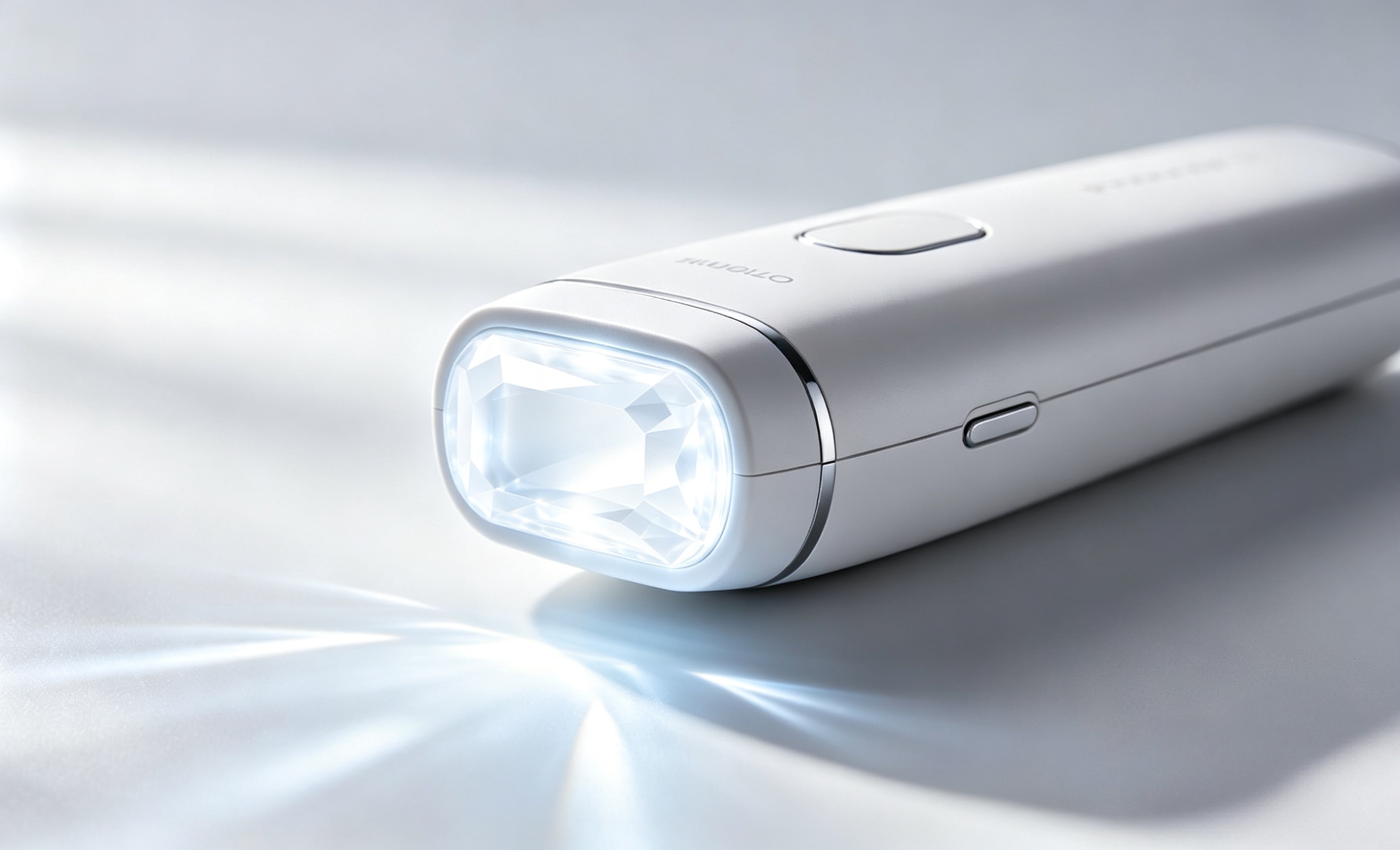
Synthetic Sapphire Glass and Its Role in Hair Removal Devices
Synthetic sapphire glass, a lab-grown material renowned for its exceptional hardness (9 on the Mohs scale) and optical clarity, has emerged as a critical component in modern hair removal devices, particularly in laser and intense pulsed light (IPL) systems. Its high thermal conductivity and resistance to heat-induced damage make it an ideal candidate for the window or lens through which light energy is delivered to the skin.
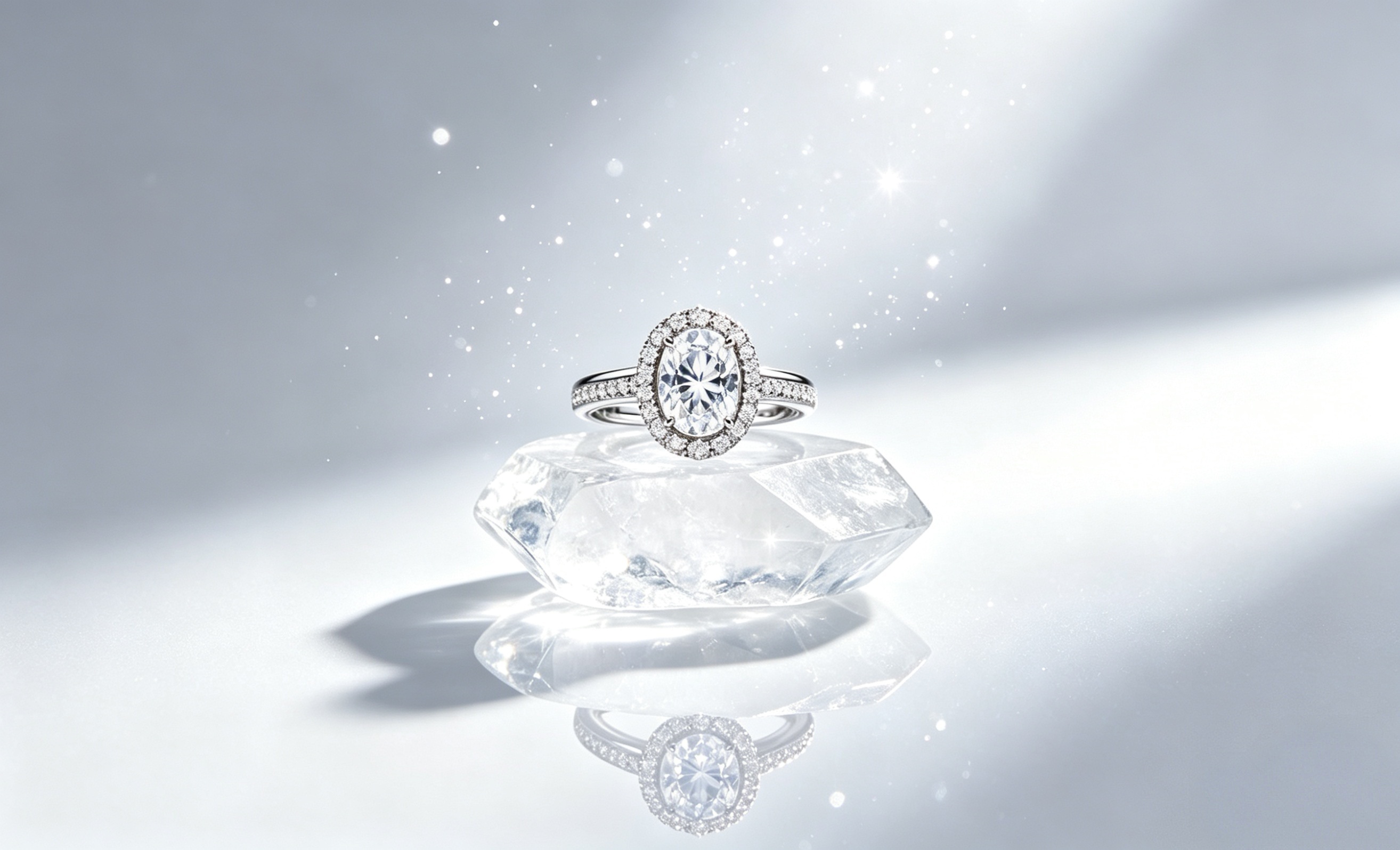
Synthetic Sapphire Glass and Its Close Bond with Jewelry
Synthetic sapphire glass, lab-grown corundum with identical chemical and physical traits to natural sapphires, has become an irreplaceable core material in the modern jewelry industry. Scoring 9 on the Mohs hardness scale, it far outperforms ordinary glass and cubic zirconia, resisting scratches and abrasion for long-term daily wear on rings, pendants and earrings.
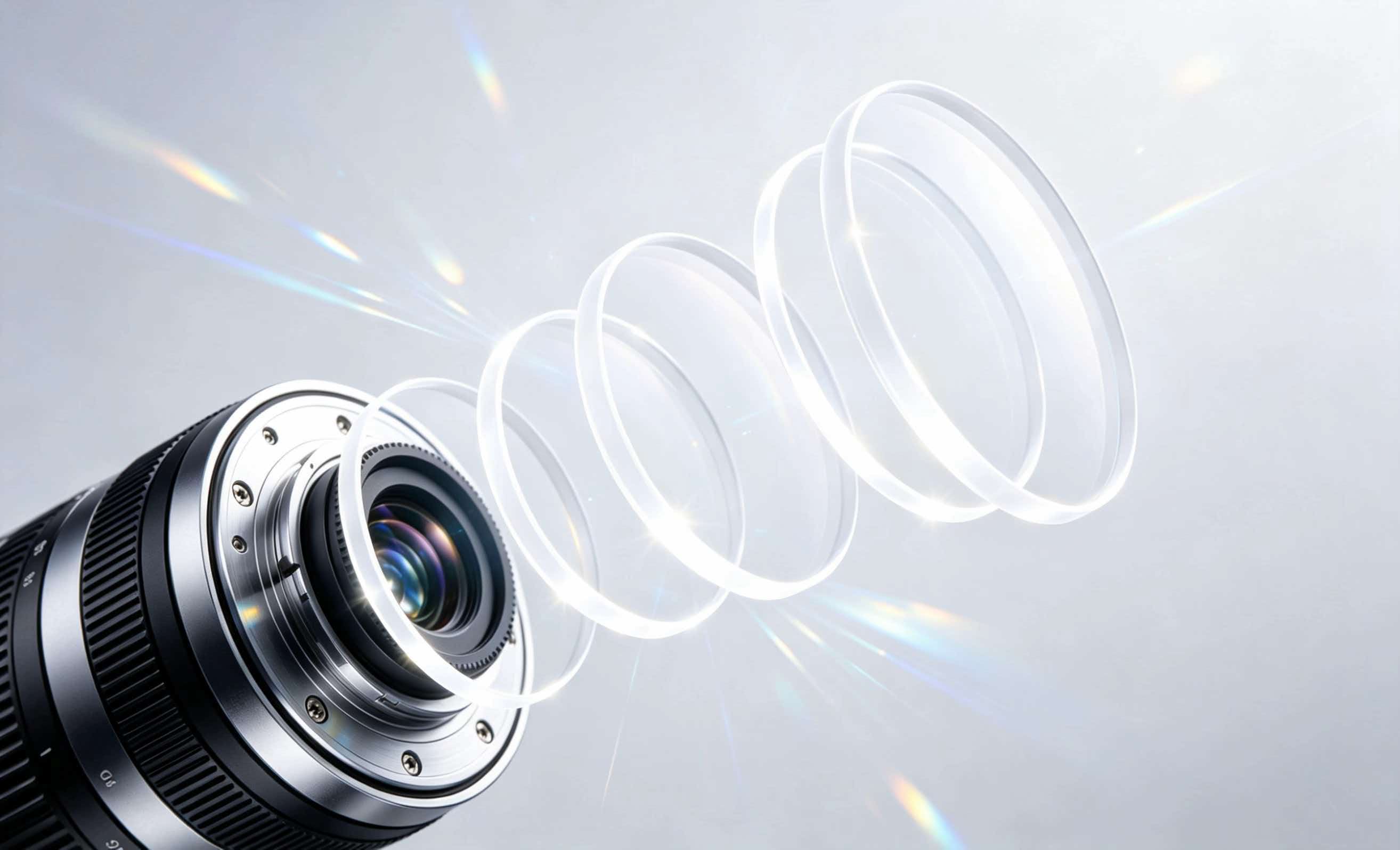
Synthetic Sapphire Glass: The Premium Material for High-End Camera Lenses
Lab-grown synthetic sapphire crystal has emerged as a top-tier optical material for camera lens protectors and core lens components, extensively used in flagship smartphones, action cameras, industrial vision devices and drone camera systems, outperforming conventional tempered glass and mineral glass with a full suite of superior physical and optical strengths.
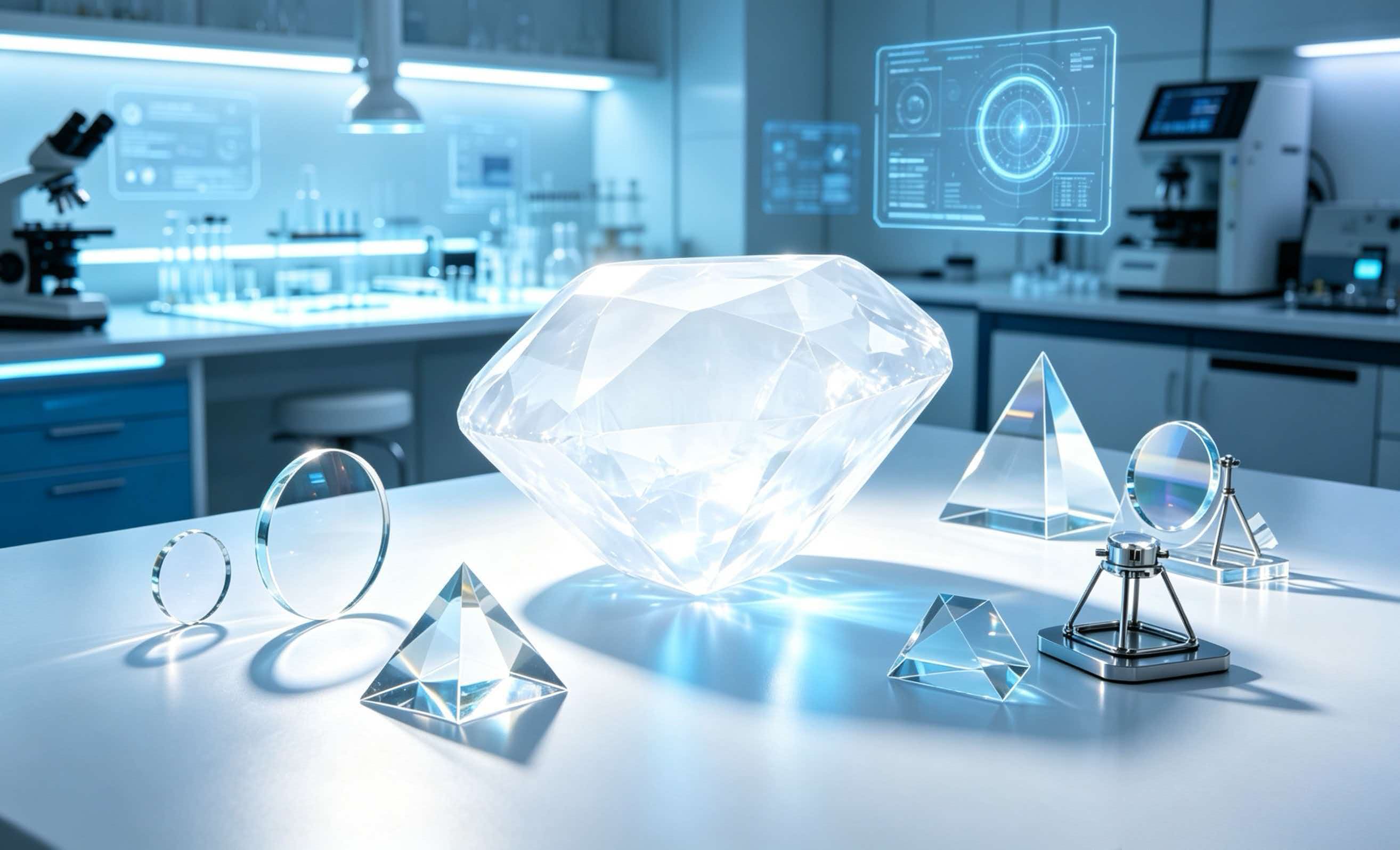
Sapphire Crystal Grows Popular in Precision Optical Industry
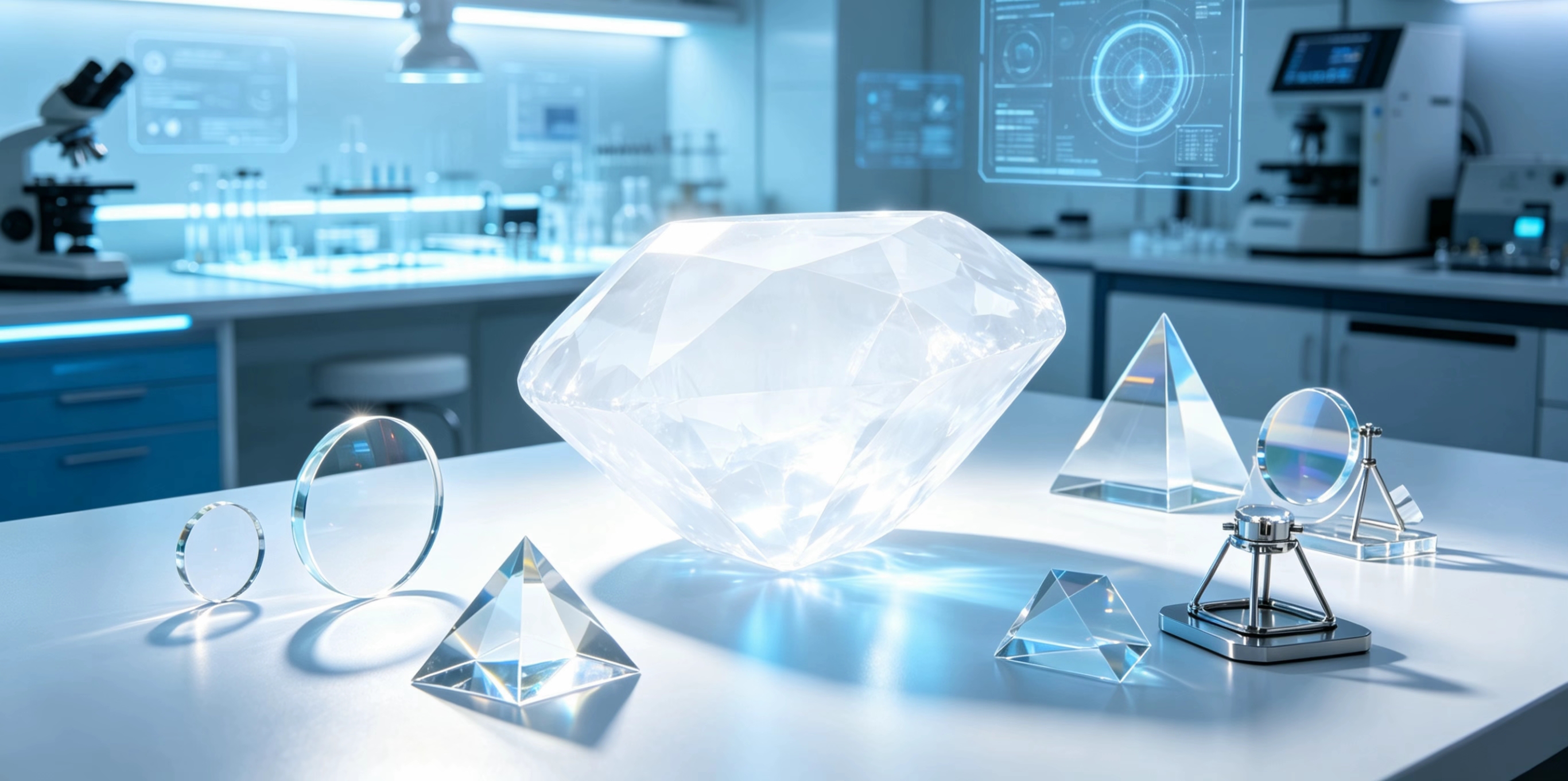
The synthetic sapphire crystal market is witnessing steady growth in 2026, driven by booming demand from precision optics, semiconductors, medical devices and aerospace sectors. Made of single-crystal aluminum oxide, sapphire crystal features Mohs hardness 9, outstanding broad-spectrum transmittance, great thermal resistance and superb scratch resistance, which cannot be easily replaced by ordinary glass materials.
Page 24 of 25