Pioneer and leader in the same industry
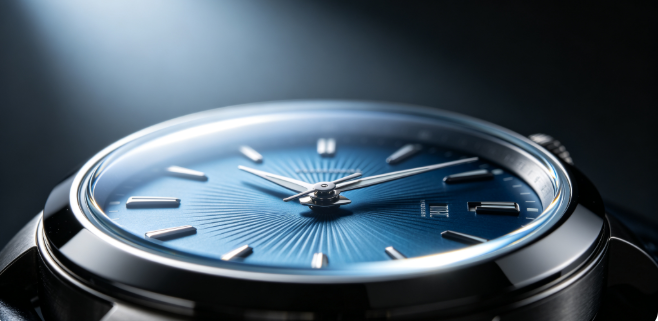
To ensure a seamless integration of your timepiece's case and movement, defining a custom sapphire watch crystal requires exacting attention to geometric datum points, surface treatment specifications, and optical clarity grades. You must move beyond basic diameter and thickness measurements to provide a complete technical package that accounts for edge profiles, internal coatings, and tightness tolerances. This guide outlines how to construct a specification sheet that minimizes engineering queries and accelerates the manufacturing validation process.
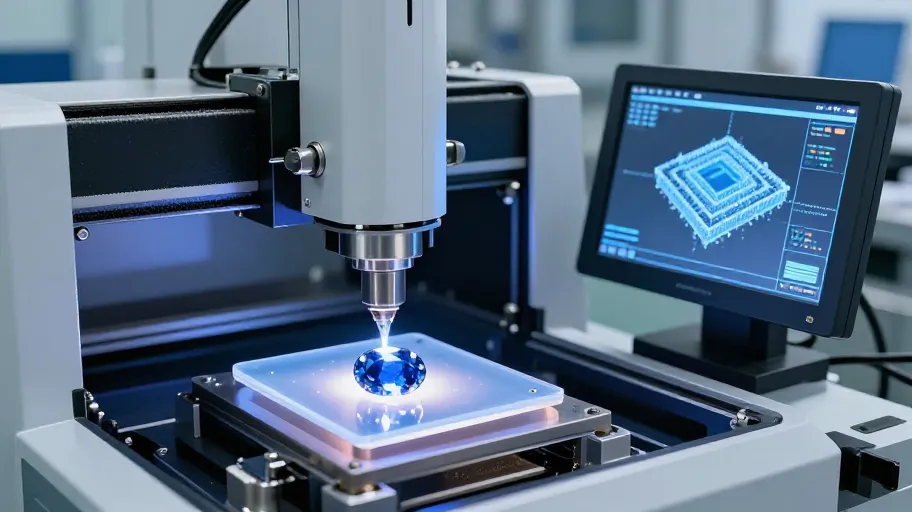
China produces over 80% of the world’s synthetic sapphire crystals—not by chance, but through obsessive control of dimensions, clarity, and surface quality. Here’s how they do it—and why it matters for your next product launch.
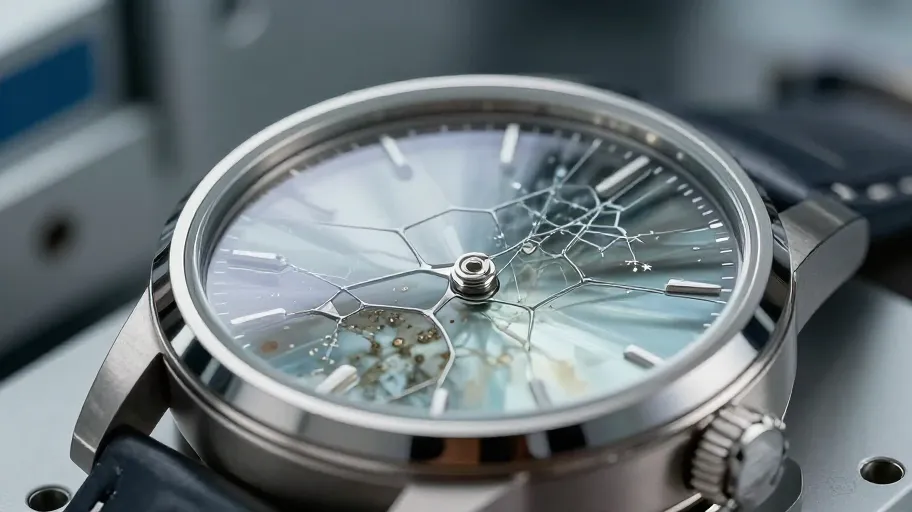
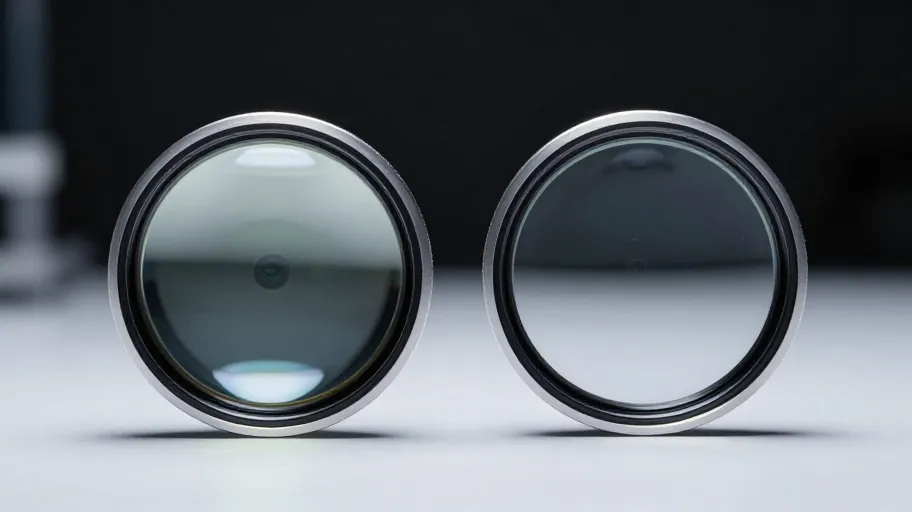
Double-side AR coating delivers up to 99.8% light transmission, but single-side often suffices — especially when cost and volume matter. In China, advanced factories now offer both at scale, cutting production costs by up to 40%. Here’s how to choose wisely.
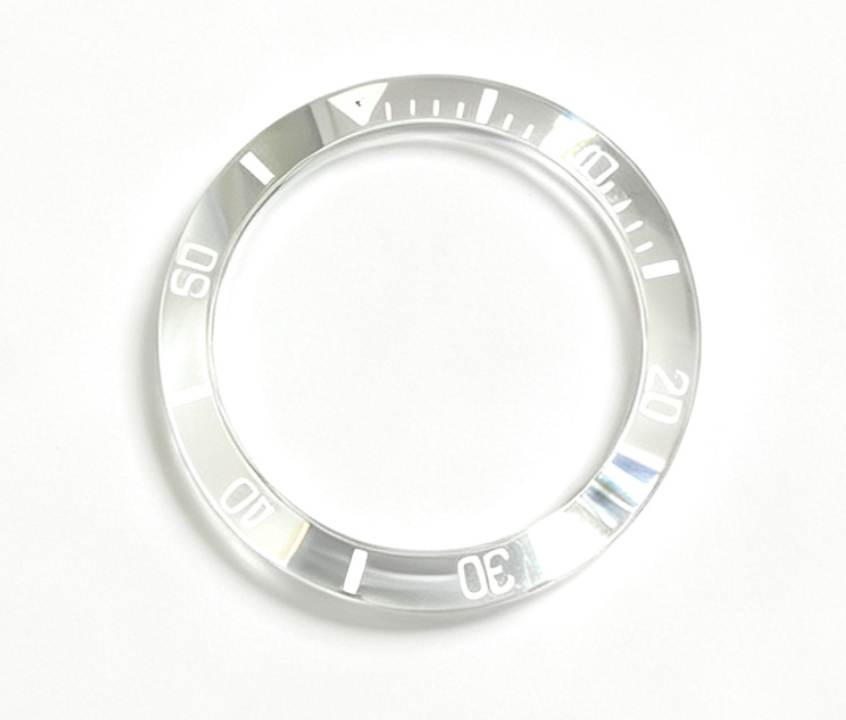
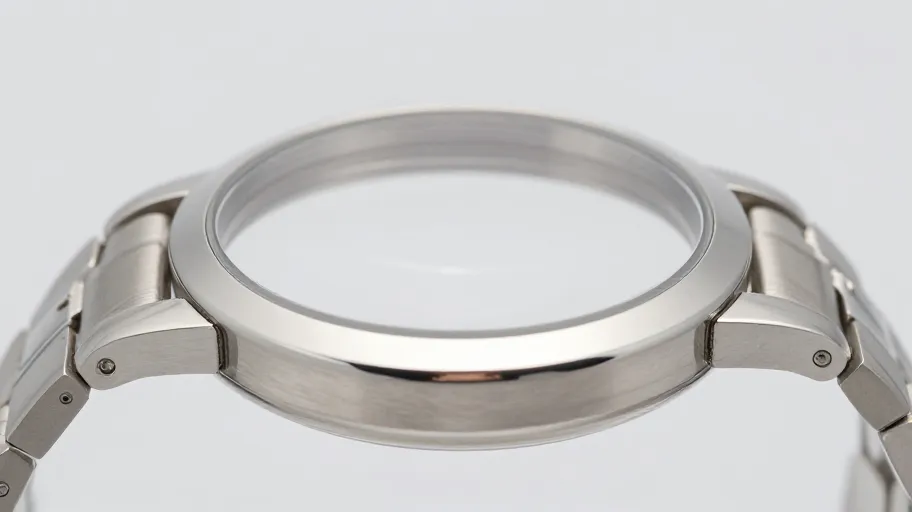
For modern watch brands, selecting the right sapphire watch glass types is a critical decision that balances aesthetics, water resistance, and cost-efficiency. Flat crystals offer the highest durability and simplest assembly, box-type sapphires provide essential vintage compatibility, while domed variants deliver superior legibility and a premium feel. To determine the optimal geometry for your next production run, you must evaluate how the curvature impacts the case architecture and the intended user experience.
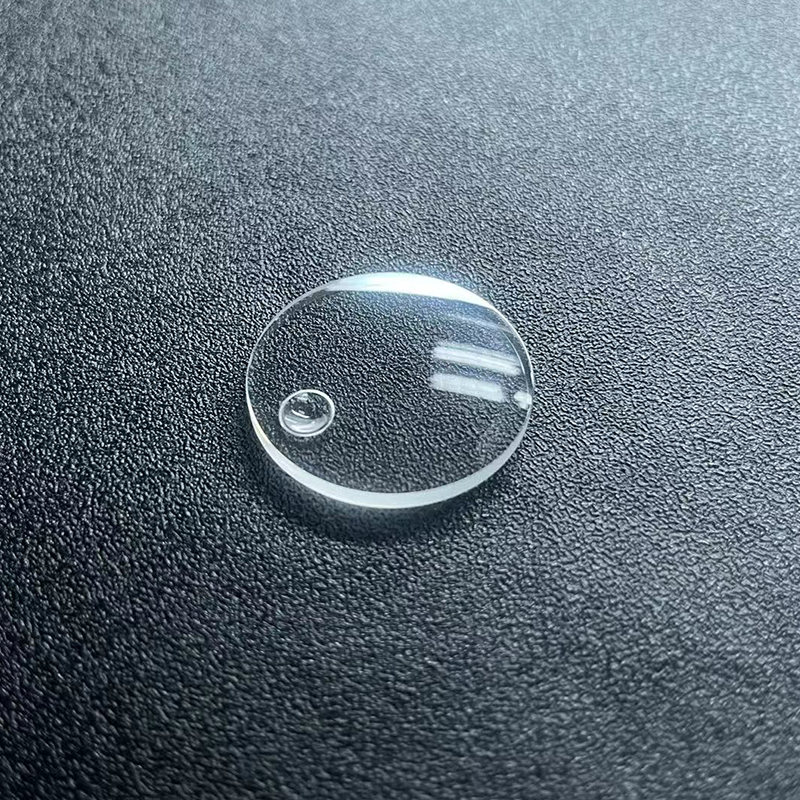
When selecting a sapphire watch crystal manufacturer, the single most critical differentiator is the ability to verify that the supplier controls the entire production process rather than simply outsourcing finished goods. For procurement teams, the goal is to move beyond price sheets and validate the technical capabilities, quality assurance protocols, and material traceability that ensure long-term product reliability. A thorough comparison must focus on proven manufacturing capacity and documented quality control.
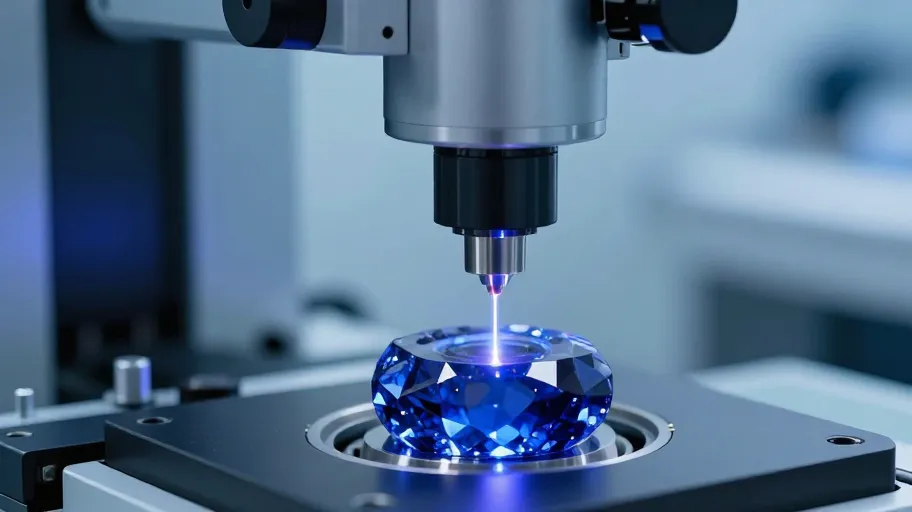
Buying cheap sapphire crystals from China? You might be paying more in hidden costs. Sub-micron flaws in dimensions and surface quality lead to field failures, rework, and delayed launches—especially in medical and aerospace systems.
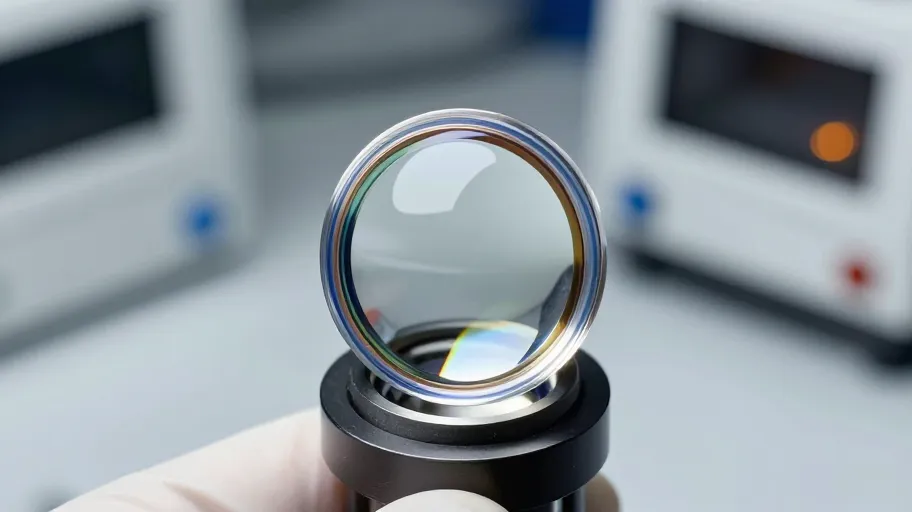
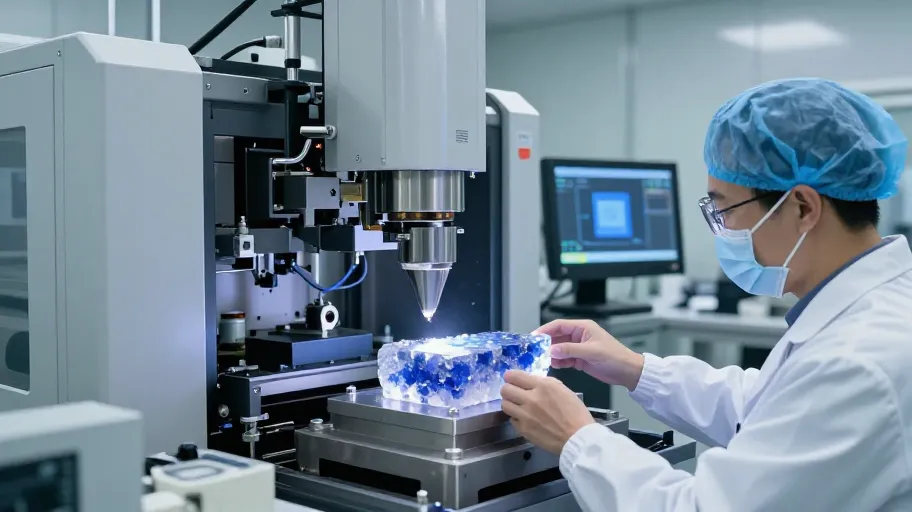
Choosing the right sapphire china factory can cut defect rates by up to 60%. The key? Material traceability, optical testing, and automated QC — not just price. Here’s how top watch brands avoid costly mistakes.
Page 20 of 25