Pioneer and leader in the same industry
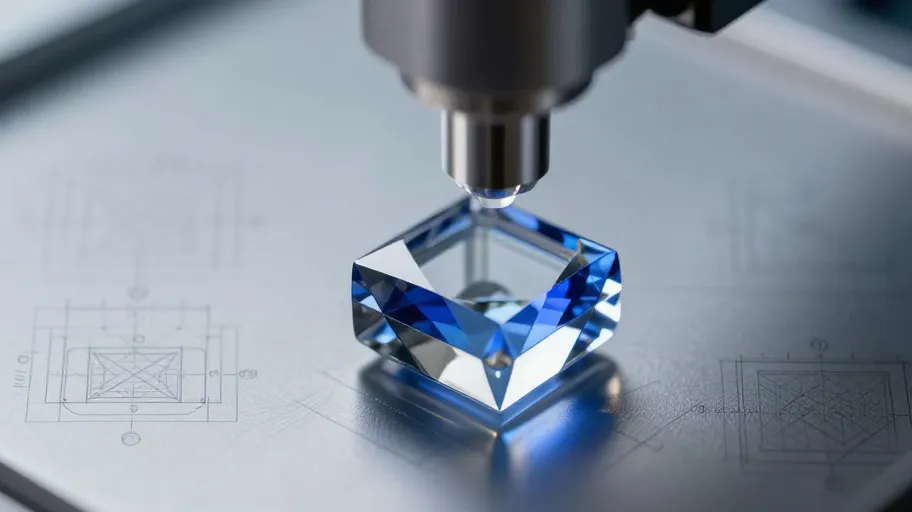
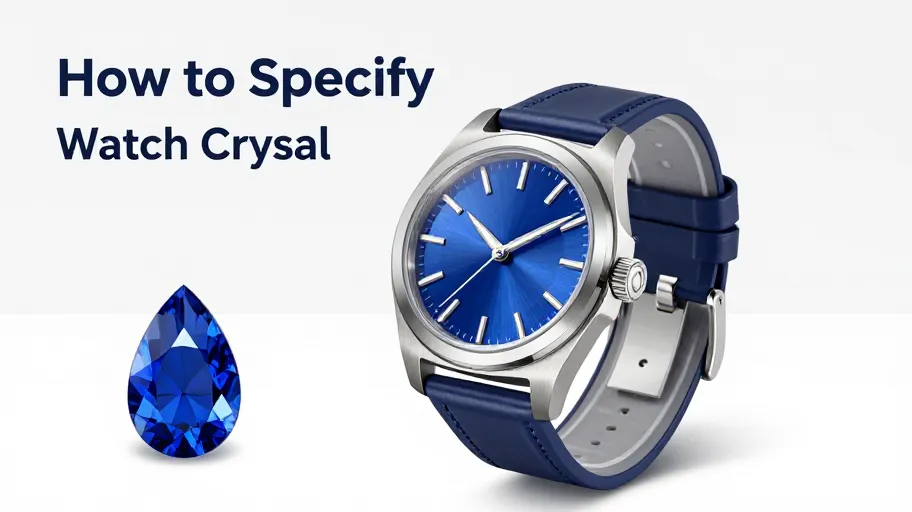
Specifying a custom sapphire watch crystal requires precise documentation of geometry, material grade, and surface treatments to ensure fit and performance. By defining these parameters clearly before engaging a manufacturer, product developers can reduce sampling cycles and accelerate the procurement process for a custom sapphire watch crystal.
Selecting a sapphire watch crystal manufacturer requires verifying technical capability and process control rather than simply comparing price quotes. To mitigate supply chain risks, procurement teams must apply a rigorous verification framework that assesses raw material sourcing, precision metrology, and quality assurance protocols before committing to a production run.

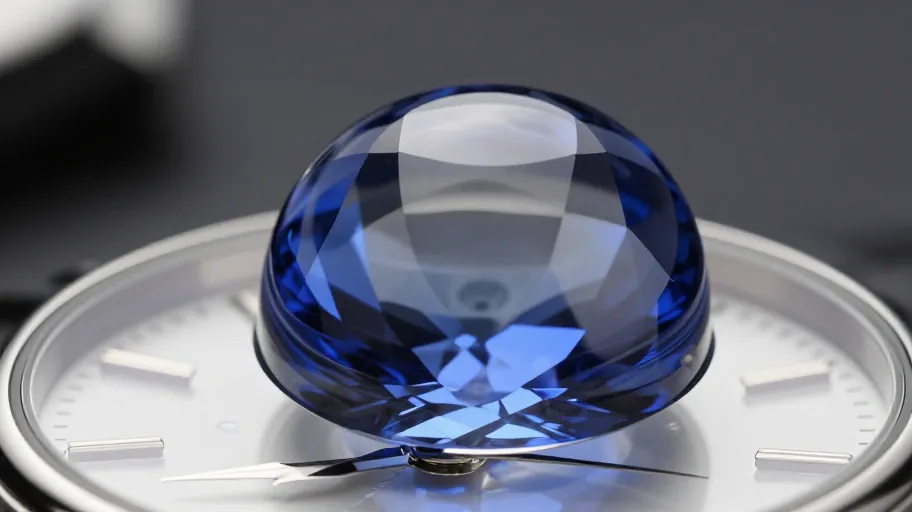
Selecting the correct sapphire watch glass type is a foundational decision in watch design that balances aesthetics against structural integrity. Flat crystals provide optimal legibility and straightforward assembly, while domed and box-type geometries offer distinct visual depth and magnification. Sourcing managers must evaluate the manufacturing feasibility of each curvature to ensure alignment with the case design and brand identity.
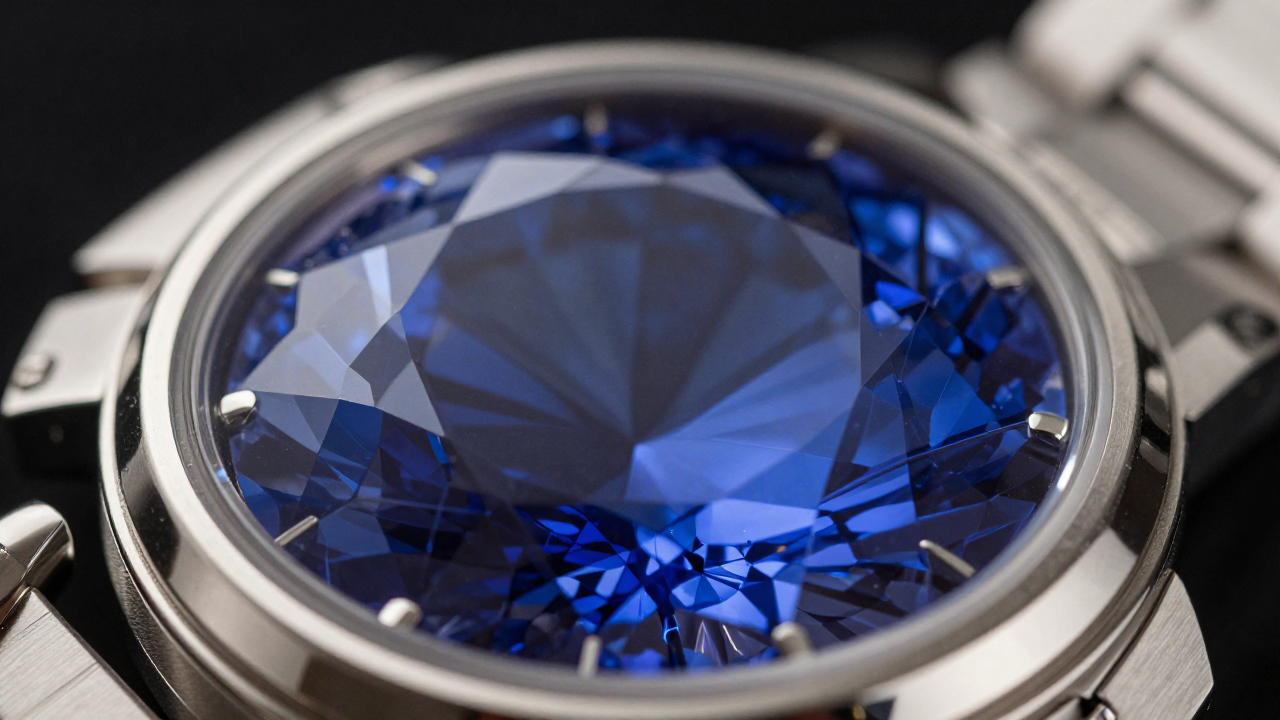
If you spend more than $400 on a watch in the US in 2026, mineral glass should not be on your radar.…
To successfully procure a custom sapphire watch crystal, engineering teams must provide comprehensive technical data that accounts for geometry, optical performance, and physical tolerance. By standardizing your specification package using a structured framework, you enable manufacturers to interpret design intent accurately, thereby reducing iterations and accelerating the validation phase.
Selecting a sapphire watch crystal manufacturer requires a rigorous assessment of technical capability rather than a simple comparison of price lists. For procurement and quality teams, the challenge lies in verifying that a supplier can consistently deliver optical clarity, dimensional precision, and coating durability at scale. To mitigate supply chain risk, buyers must adopt a verification-based approach that validates material origin, process control, and quality assurance protocols before engaging in production.

Selecting the correct geometry is a foundational decision in watch development that dictates both the aesthetic personality of the timepiece and the rigor of its engineering requirements. For watch designers and private-label brands, the choice between flat, box-type, and domed sapphire watch glass types balances the desire for visual depth against the practical constraints of water resistance, dial clearance, and shock absorption. While flat crystals offer superior structural stability and dial legibility, domed geometries provide a classic vintage allure but require precise calculation of height and refraction. Box-type crystals serve as a stylistic bridge, offering verticality without the extreme curvature of a high dome. To mitigate the risk of costly re-tooling or assembly failures, sourcing managers must evaluate these options not just by appearance, but by how their specific geometry interacts with the case architecture and movement height.
Page 15 of 25