Pioneer and leader in the same industry
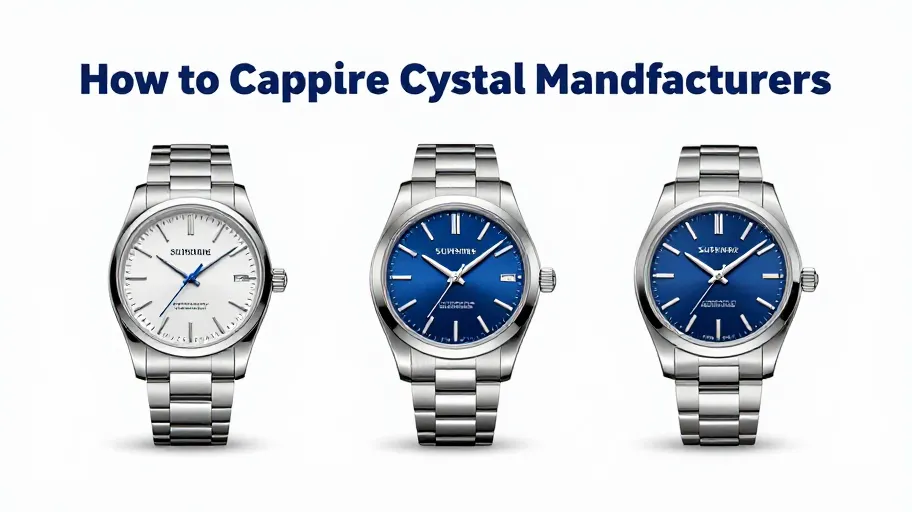
Selecting a sapphire watch crystal manufacturer requires a rigorous evaluation of machining precision and quality control systems rather than just comparing price lists. To ensure component reliability, procurement teams must verify material purity, optical clarity standards, and the supplier’s ability to maintain tolerances across production batches. This guide provides a framework for technical comparison.

Selecting the correct geometry is a foundational step in watch development that dictates both aesthetic language and structural integrity. For watch designers and private-label brands, choosing between flat, box-type, and domed sapphire watch glass types requires balancing the desired visual profile against the practicalities of case sealing and impact resistance. This guide provides a technical framework to validate your selection against engineering constraints.
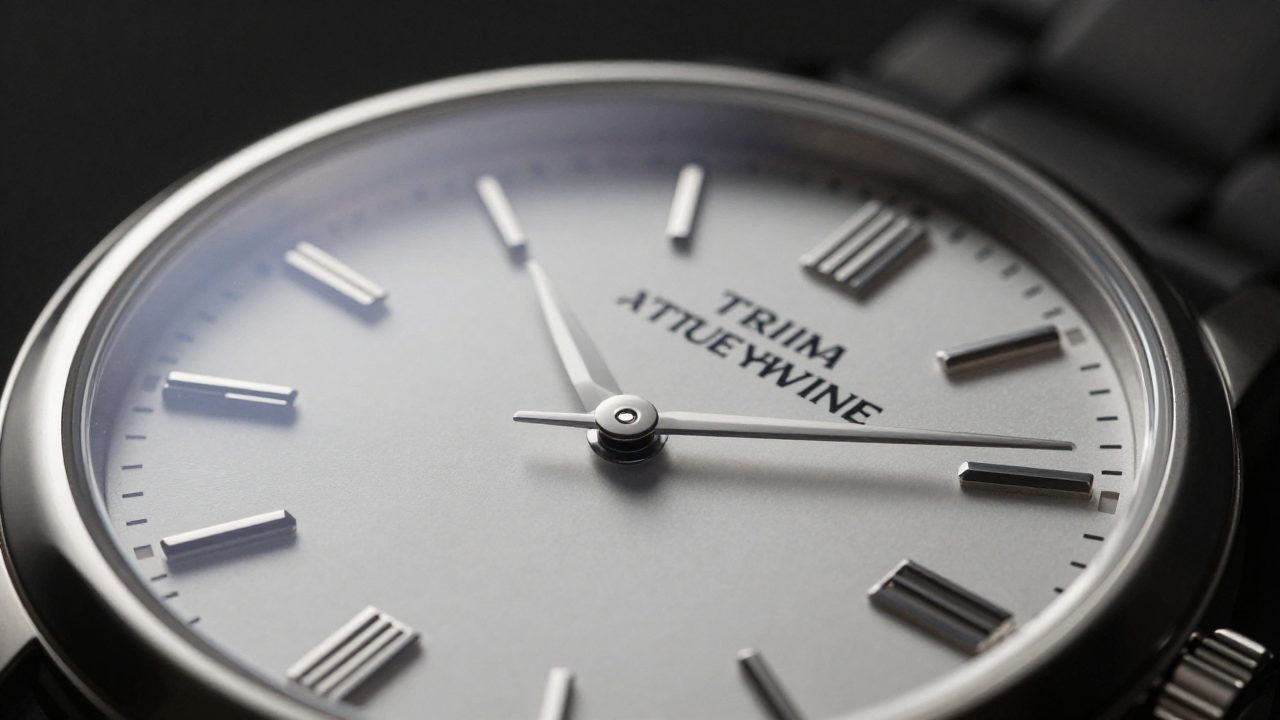
In November 2023, a secondhand dealer from Miami called our Shenzhen office. He had sold a pre-owned Omega Seamaster to a local collector for $4,200.…

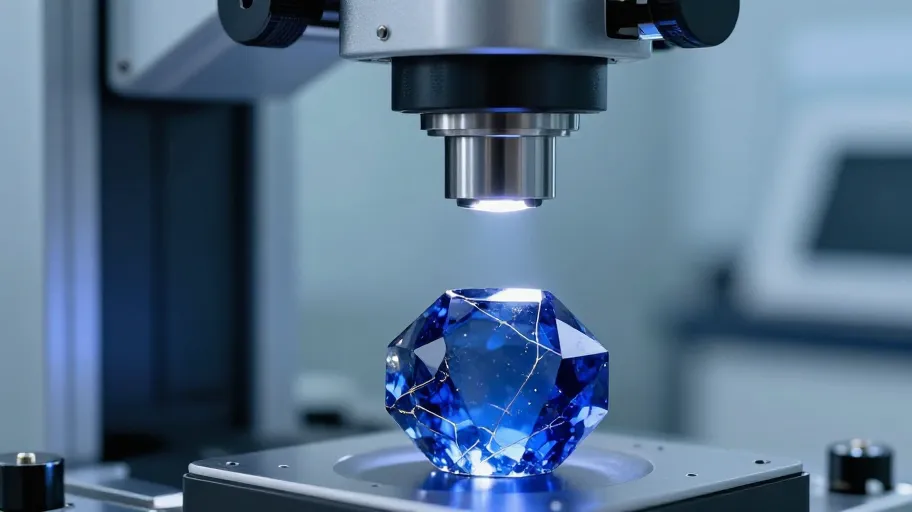
Over 75% of sapphire crystal rejections in high-precision systems trace back to undetected flaws from sapphire china factory production lines. Here’s how to stop paying for false savings.
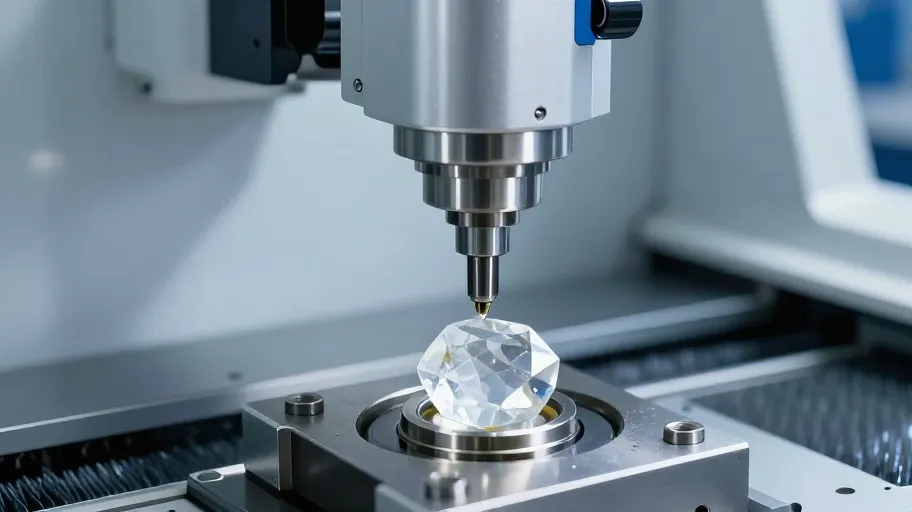

When engaging a sapphire watch glass supplier, the accuracy of the initial quotation depends entirely on the quality of the information provided. Procurement teams must define dimensional, optical, and structural parameters precisely to prevent costly rework, multiple sampling rounds, and schedule delays. A complete technical brief is the prerequisite for a firm price and reliable delivery schedule.
To ensure water resistance and structural integrity, watch engineers must prioritize the precise alignment between sapphire crystal dimensions and the gasket compression zone. This guide outlines a verification framework to manage fit risks, ensuring your technical drawings account for the interaction between the crystal, the case, and the seal without relying on unverified assumptions.
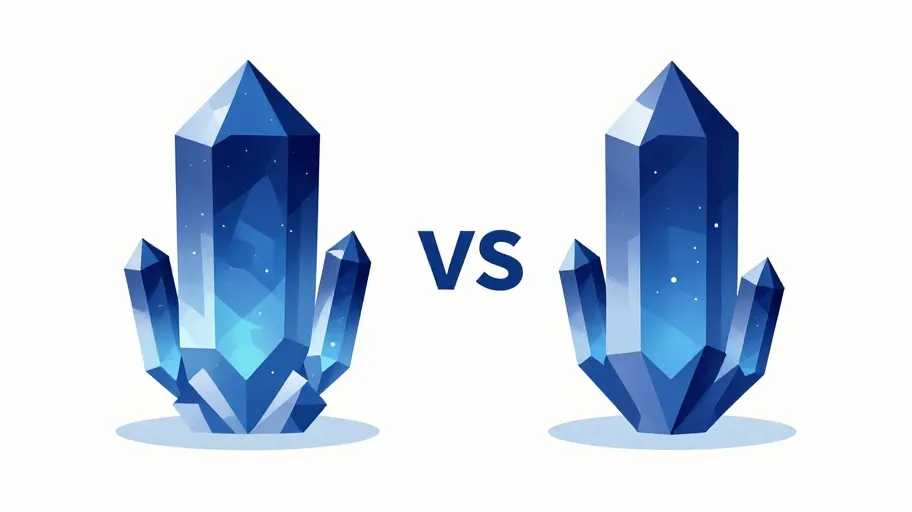
The primary distinction lies in the internal geometry: a single-domed sapphire crystal features a flat interior surface with a curved exterior, whereas a double-domed crystal curves both externally and internally. While both options fall under the category of domed sapphire watch glass, the choice between them significantly impacts the dial's magnification, the required case height, and the complexity of manufacturing precision. For sourcing managers and product developers, selecting the correct profile is not merely an aesthetic decision but a critical engineering constraint that affects water resistance and dial legibility.
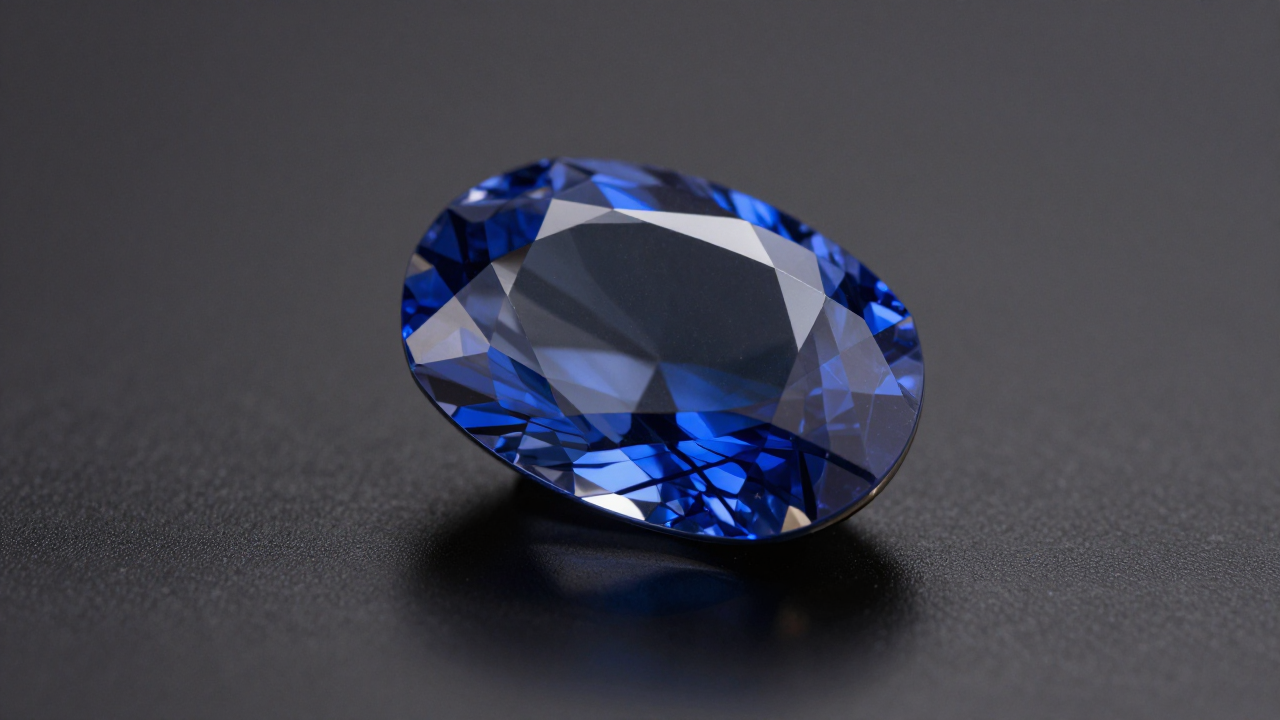
Shopping in 2026 has a strange split. A $300 microbrand diver lists sapphire watch crystal as standard, while a $1,200 fashion watch still ships with mineral glass and charges $75 for the upgrade.…
Page 14 of 25