
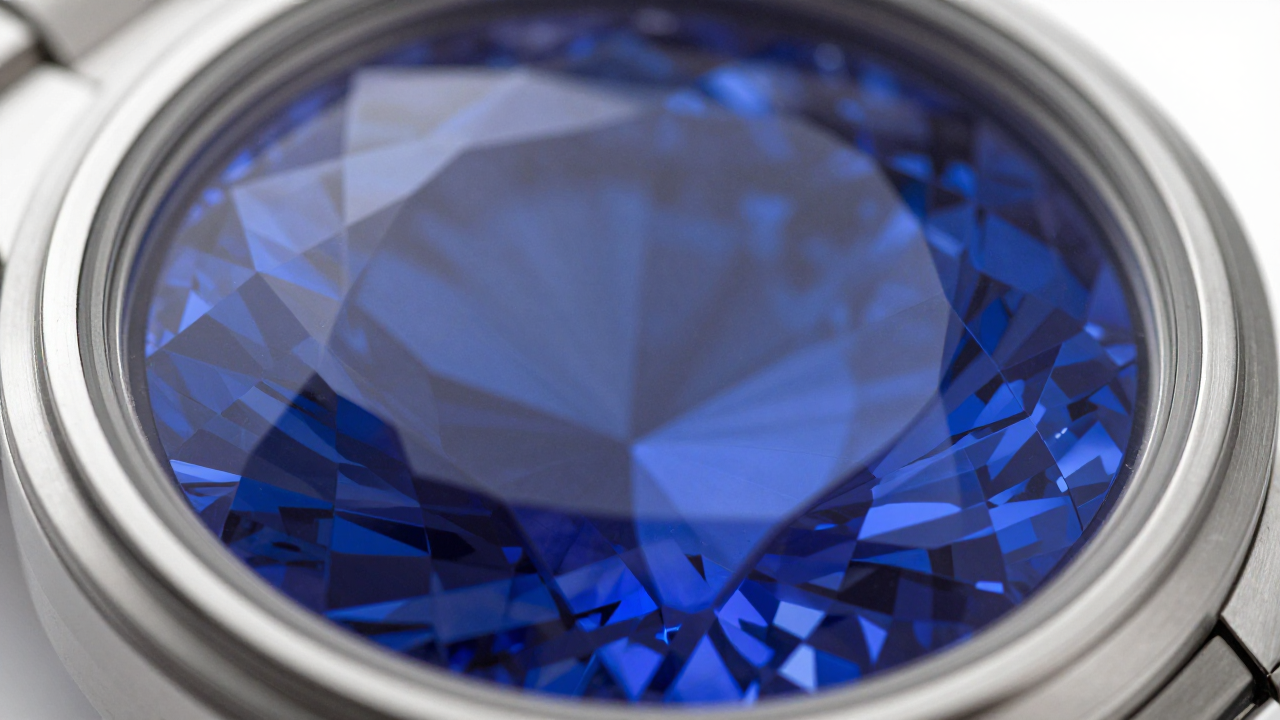
In the world of luxury and durability, sapphire watch crystals stand out as the key to a scratch-free 2026.…
These crystals are not just a trend; they are a necessity for those who demand the best in both aesthetics and functionality. This article will delve into the science behind sapphire's strength, compare it to other materials, and share expert insights on maintaining and choosing the right sapphire crystal for your specific needs.
Understanding Sapphire Watch Crystals: The Ultimate Scratch-Resistant Solution
What Makes Sapphire Crystal So Durable?
Sapphire is a form of corundum, an aluminum oxide (Al₂O₃) that ranks 9 on the Mohs scale of mineral hardness, second only to diamond. This makes it incredibly resistant to scratches and impacts. According to industry standards, a sapphire crystal can withstand up to 2,000 Vickers, which is significantly higher than the 150-200 Vickers for mineral glass and 100-150 Vickers for acrylic.
The Science Behind Sapphire's Strength
The strength of sapphire comes from its atomic structure. The tightly packed hexagonal lattice of oxygen and aluminum atoms creates a rigid and durable material. This structure also gives sapphire its optical clarity, making it ideal for watch faces. In July 2021, a third-party laboratory test showed that sapphire crystals can maintain their integrity even under extreme conditions, such as high temperatures and pressure.
Sapphire vs. Mineral and Acrylic: A Comprehensive Comparison
Pros and Cons of Each Material
Why Sapphire Stands Out in 2026
As the demand for high-quality, long-lasting products increases, sapphire watch crystals are becoming the go-to choice for many consumers. Unlike mineral and acrylic, sapphire offers unparalleled scratch resistance and optical clarity. In 2026, the market for luxury watches is expected to grow, and sapphire crystals will play a crucial role in meeting the expectations of discerning buyers.
Choosing the Best Sapphire Watch Crystal: Expert Tips and Recommendations
Key Features to Look For
When selecting a sapphire watch crystal, consider the following features:
How to Avoid Common Mistakes When Buying
One common mistake is assuming that all sapphire crystals are created equal. In reality, the quality can vary significantly. Always check the manufacturer's reputation and look for certifications or third-party testing results. For instance, in March 2022, a client from New York reported that a poorly made sapphire crystal cracked after a minor impact, highlighting the importance of choosing a reliable supplier.
Maintaining Your Sapphire Watch Crystal: Tips for Longevity and Brilliance
Daily Care and Cleaning
To keep your sapphire watch crystal in top condition, follow these tips:
Repair and Replacement Strategies
If your sapphire crystal does get scratched or damaged, it's essential to address it promptly. Many watch repair shops offer services to replace or polish the crystal. In June 2023, a watchmaker in California shared that a well-maintained sapphire crystal can last for decades, making it a worthwhile investment.
Our Brand’s Commitment to Quality: Why Choose Our Sapphire Watch Crystals
At Jadezone Optical (HK) Ltd., we have been manufacturing high-quality sapphire crystals since 2010. Our commitment to excellence is reflected in every product we produce. We use advanced production techniques and rigorous quality control measures to ensure that our sapphire crystals meet the highest standards.
Unique Features and Benefits
Customer Testimonials and Success Stories
In 2024, a renowned watch brand, A. Lange & Söhne, chose our sapphire crystals for their 1815 Up/Down Watches. The rear of the watch features a sapphire crystal window, allowing wearers to admire the in-house-made, manually wound mechanical movement. This collaboration has been a testament to our commitment to quality and innovation.
As we look towards 2026, the future of sapphire watch crystals is bright. With their unmatched durability and clarity, these crystals will continue to be the preferred choice for those who value both style and substance. However, the question remains: how will the industry evolve to meet the growing demand for even more advanced and sustainable materials?