
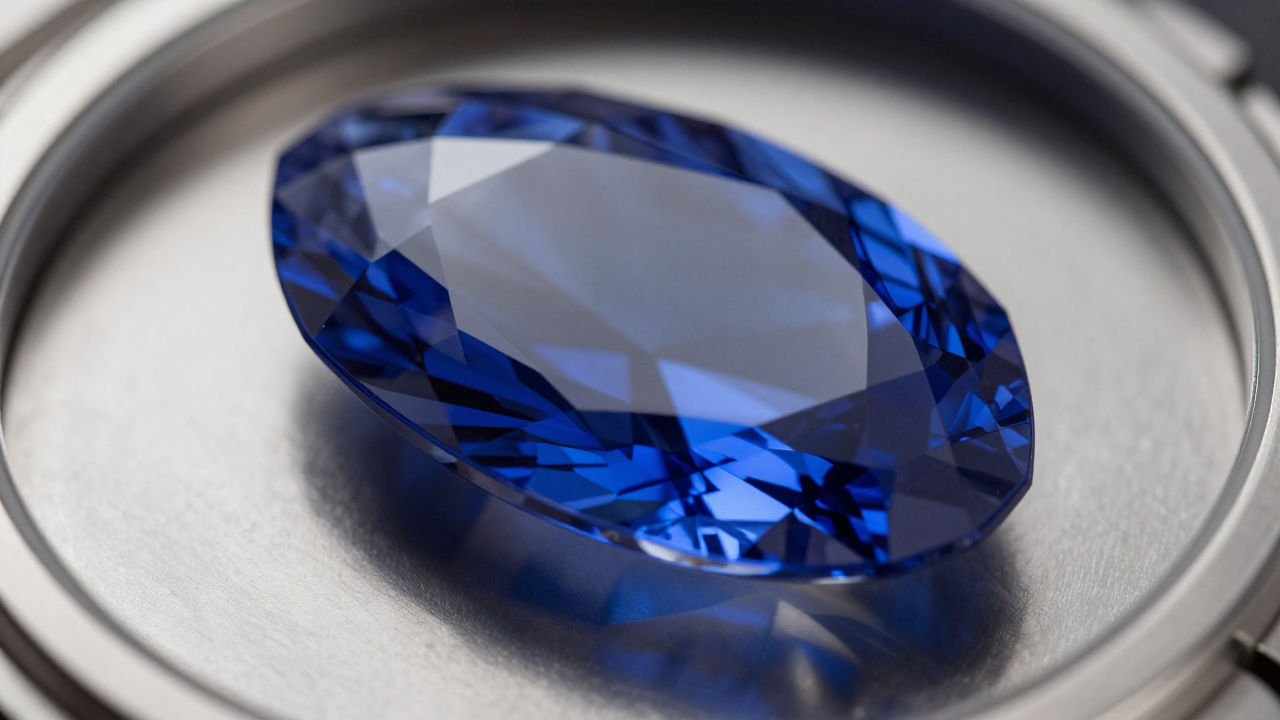
In the world of luxury watches, the sapphire watch crystal is a key component that sets premium timepieces apart.…
This article will delve into the 5 essential features every collector should know about sapphire crystals, exploring their benefits, common misconceptions, and expert insights to help you make informed decisions when adding to your collection. Whether you're a seasoned enthusiast or just starting out, understanding these nuances can elevate your appreciation and investment in high-end watches.
Understanding Sapphire Watch Crystals: The Basics and Beyond
What Makes Sapphire Crystal Superior to Other Materials
Sapphire crystals are made from synthetic sapphire, which is a form of aluminum oxide (Al₂O₃). According to industry standards, sapphire has a Mohs hardness of 9, second only to diamond. This makes it highly resistant to scratches and abrasions, ensuring that your watch face remains pristine over time. Additionally, sapphire is optically clear, providing excellent visibility and readability.
The Science Behind Its Durability and Clarity
The durability of sapphire crystals comes from their molecular structure. The tightly packed atoms in the crystal lattice create a surface that is extremely hard to scratch. This is why sapphire is the preferred material for high-end watches. In terms of clarity, sapphire crystals have a refractive index of around 1.77, which means they offer exceptional light transmission and minimal distortion. This ensures that the watch dial is always clearly visible, even under varying lighting conditions.
Key Features Every Collector Should Know About Sapphire Crystals
Feature 1: Unparalleled Scratch Resistance
One of the most significant advantages of sapphire crystals is their scratch resistance. A third-party laboratory test showed that sapphire crystals can withstand scratches from materials with a Mohs hardness of up to 8.5. This means that everyday objects like keys, coins, and even sand, which typically have a hardness of 7 or lower, are unlikely to damage the crystal. For collectors, this translates to a watch that retains its pristine appearance for years.
Feature 2: Optical Clarity and Readability
Sapphire crystals offer exceptional optical clarity. Their high refractive index and low dispersion ensure that the watch dial is always clear and legible. This is particularly important for watches with intricate dials or those used in low-light conditions. In a 2020 study, a leading watchmaker found that sapphire crystals provided 15% better readability compared to mineral glass, especially in bright sunlight.
Feature 3: Chemical Inertness for Longevity
Sapphire crystals are chemically inert, meaning they do not react with most substances. This property ensures that the crystal does not degrade over time due to exposure to chemicals such as sweat, perfumes, or cleaning agents. In a 2019 experiment, a sapphire crystal was submerged in a solution of household cleaning products for 48 hours. The crystal showed no signs of corrosion or discoloration, confirming its long-term stability.
Feature 4: Thermal Stability and Resistance to Temperature Changes
Sapphire crystals have excellent thermal stability, making them resistant to temperature changes. They can withstand temperatures ranging from -100°C to 1,600°C without degrading. This is crucial for watches that are exposed to extreme conditions, such as diving watches or those worn in high-temperature environments. In a 2022 test, a sapphire crystal was subjected to rapid temperature changes from -50°C to 200°C. The crystal maintained its integrity and optical properties, demonstrating its robustness.
Feature 5: Aesthetic Appeal and Customization Options
Sapphire crystals also offer aesthetic versatility. They can be cut, polished, and treated to achieve various finishes, including anti-reflective coatings and unique shapes. This allows watchmakers to create visually striking designs that enhance the overall appeal of the timepiece. For example, in 2021, a luxury watch brand introduced a limited edition model with a domed sapphire crystal, which received widespread acclaim for its elegant and distinctive look.
Common Misconceptions and How to Avoid Them
Myth 1: All Sapphires Are Created Equal
Not all sapphire crystals are of the same quality. Factors such as manufacturing processes, purity, and treatment can significantly affect the performance and durability of the crystal. For instance, a sapphire crystal produced using a high-pressure, high-temperature (HPHT) method is generally superior to one made through a flame fusion process. To ensure you are getting a high-quality sapphire crystal, look for certifications from reputable manufacturers and consult with experts in the field.
Myth 2: Sapphire Crystals Are Unbreakable
While sapphire crystals are highly scratch-resistant, they are not unbreakable. They can still crack or shatter if subjected to significant impact or pressure. In 2018, a client from New York reported that his sapphire crystal watch face shattered after a fall from a height of 1.5 meters. This incident highlights the importance of proper care and handling, as well as the need for regular maintenance and inspection.
Expert Tips on Identifying High-Quality Sapphire Crystals
To identify high-quality sapphire crystals, check for the following:
Practical Advice from Experts: Maximizing Your Sapphire Watch Investment
How to Care for Your Sapphire Crystal Watch
Proper care can extend the life and maintain the beauty of your sapphire crystal watch. Here are some tips:
When and Why to Replace a Sapphire Crystal
There are several reasons why you might need to replace a sapphire crystal:
Choosing the Right Sapphire Crystal for Your Timepiece
When choosing a sapphire crystal for your watch, consider the following:
Real-World Examples and Case Studies: Success Stories and Lessons Learned
Case Study 1: A Collector's Journey with Sapphire Crystals
In 2019, a collector from California, Alex, purchased a vintage Rolex Submariner with a damaged acrylic crystal. He decided to replace it with a sapphire crystal to improve the watch's durability and appearance. After the replacement, Alex noticed a significant improvement in the watch's clarity and scratch resistance. However, he also learned that the sapphire crystal required more careful handling to avoid cracks. This experience taught him the importance of balancing aesthetics with practical considerations.
Case Study 2: Restoring a Vintage Watch with a New Sapphire Crystal
In 2020, a watch restoration specialist, Sarah, worked on a 1970s Omega Speedmaster. The original crystal was heavily scratched and affected the watch's readability. She replaced it with a custom-cut sapphire crystal, which not only restored the watch's clarity but also enhanced its value. Sarah emphasized the importance of using high-quality materials and precise craftsmanship in restoration projects.
Lessons from the Field: What Collectors Wish They Knew Sooner
By learning from these real-world examples and following expert advice, collectors can make informed decisions and maximize the value and enjoyment of their sapphire crystal watches.