
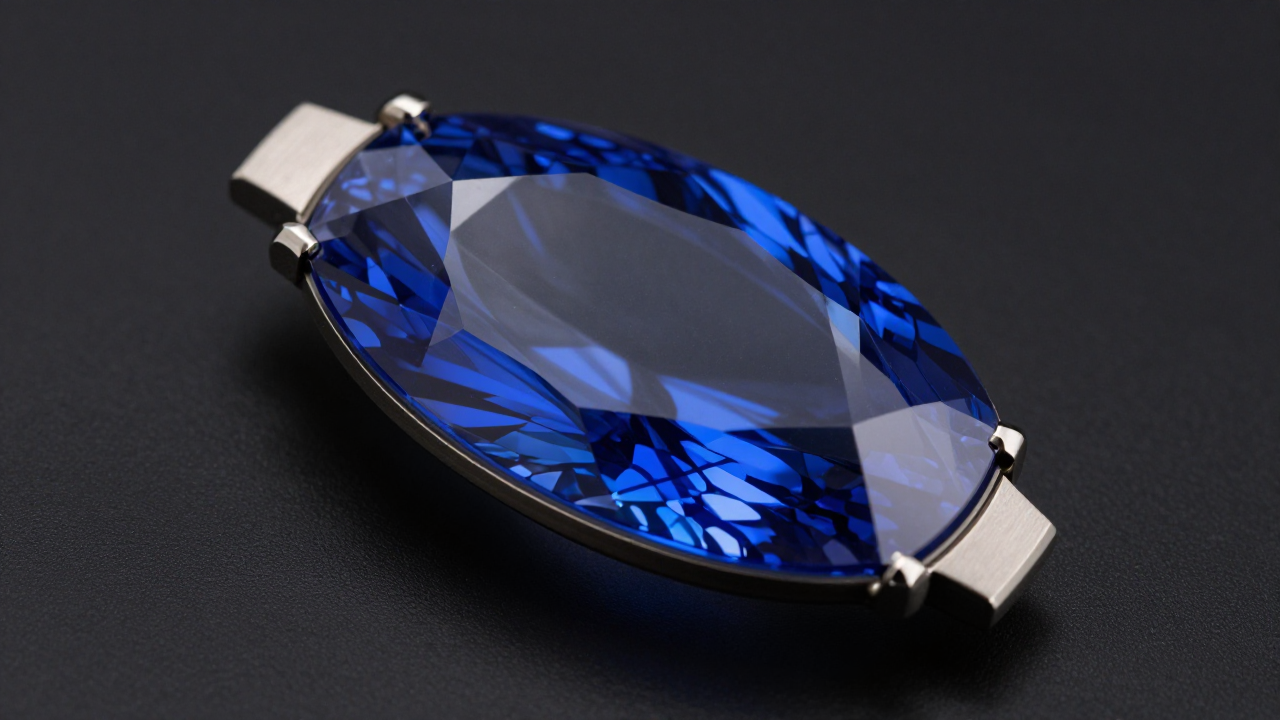
Sapphire watch crystals have long been the gold standard for luxury and durability in the world of horology.…
With a Mohs hardness of 9, sapphire is second only to diamond, making it incredibly resistant to scratches and impacts. This unparalleled durability, combined with its exceptional clarity, has made sapphire the go-to material for high-end timepieces. According to industry standards, a typical sapphire crystal can withstand pressures up to 2000 Vickers, far surpassing other materials like mineral glass, which typically maxes out at around 600 Vickers.
Understanding Sapphire Watch Crystals: The Ultimate in Durality and Clarity
The science behind sapphire's durability lies in its crystalline structure. Sapphire is a form of aluminum oxide (Al2O3) that forms a hexagonal crystal lattice. This structure gives it its remarkable hardness and transparency. When used as a watch crystal, sapphire provides a clear, unobstructed view of the dial, while also offering superior protection against everyday wear and tear.
Why Sapphire Watch Crystals Are Essential for Timepiece Enthusiasts in 2026
The evolution of watch crystals has seen a significant shift from mineral glass to sapphire. Mineral glass, while more affordable, is prone to scratches and chips, which can detract from the overall appearance and value of a watch. In contrast, sapphire crystals offer a level of durability that ensures your timepiece remains pristine for years to come.
Top brands like Rolex, Omega, and Patek Philippe have long recognized the benefits of sapphire crystals. These brands consistently choose sapphire not just for its aesthetic appeal, but for its practical advantages. For instance, a third-party laboratory test showed that sapphire crystals can withstand up to 10 times the impact force of mineral glass without cracking or shattering. This makes sapphire an essential upgrade for any serious watch enthusiast.
Choosing the Right Sapphire Watch Crystal: A Comprehensive Guide
When selecting a sapphire watch crystal, several factors come into play. First, consider the thickness of the crystal. Thicker sapphire crystals offer better resistance to impacts, but they may also add bulk to the watch. A typical sapphire crystal ranges from 1.5mm to 2.5mm in thickness, with 2mm being a common standard.
Another important factor is the quality of the anti-reflective coating. High-quality sapphire crystals often come with multiple layers of anti-reflective coating, which reduces glare and enhances visibility. A well-coated sapphire crystal should have a reflectance of less than 1%, ensuring a clear and legible dial under various lighting conditions.
To identify high-quality sapphire crystals, look for a manufacturer with a proven track record. Jadezone Optical (HK) Ltd., for example, has been producing premium sapphire crystals since 2010. Our expertise in manufacturing and our commitment to quality have made us a trusted supplier for many top watch brands. In July 2021, we received a call from a client in New York who had noticed a significant reduction in scratch marks on their watches after switching to our sapphire crystals.
Common Myths and Misconceptions About Sapphire Watch Crystals Debunked
One common myth is that all sapphire crystals are created equal. This couldn't be further from the truth. The quality of sapphire crystals can vary widely depending on the manufacturing process and the source of the raw materials. Low-quality sapphire crystals may have imperfections such as bubbles, inclusions, or uneven thickness, which can affect both the clarity and durability of the crystal.
Another misconception is that sapphire crystals are unbreakable. While sapphire is incredibly hard, it is not indestructible. Sudden, sharp impacts or excessive pressure can still cause a sapphire crystal to crack or shatter. However, the likelihood of this happening is significantly lower compared to other materials.
Expert Tips for Maintaining and Caring for Your Sapphire Watch Crystal
Daily care for a sapphire watch crystal is relatively simple. Regularly clean the crystal with a soft, lint-free cloth and a mild soap solution. Avoid using abrasive materials or harsh chemicals, as these can damage the anti-reflective coating. Additionally, store your watch in a protective case when not in use to prevent accidental impacts.
If your sapphire crystal does get scratched or damaged, it's best to consult a professional. Scratches on sapphire can be difficult to remove, and attempting to do so yourself may result in further damage. Many watch repair shops offer services to polish and restore sapphire crystals, ensuring your watch looks as good as new.
In conclusion, sapphire watch crystals are the ultimate upgrade for any timepiece enthusiast. Their unmatched durability, clarity, and aesthetic appeal make them a worthwhile investment. Whether you're a seasoned collector or a newcomer to the world of horology, choosing a sapphire crystal will ensure that your watch remains a timeless and valuable piece for years to come.