
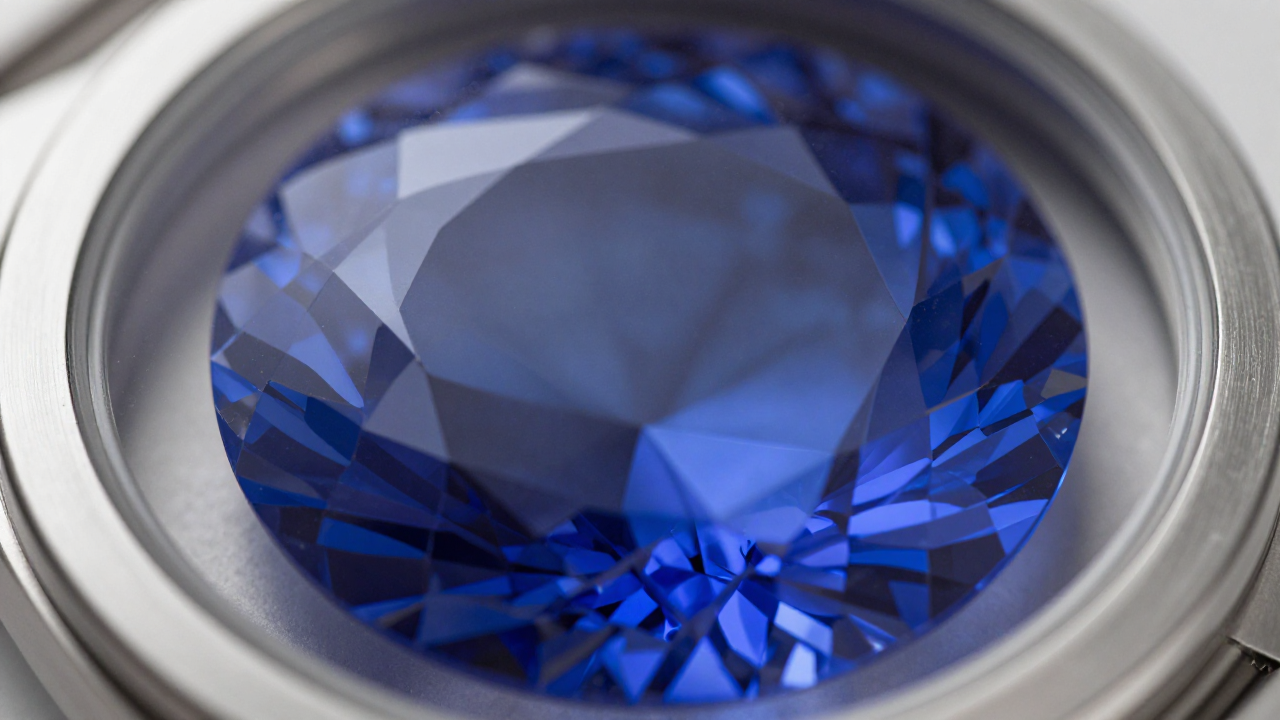
A sapphire watch crystal is a transparent, scratch-resistant cover made from synthetic sapphire, used to protect the watch dial and enhance its appearance.…
Synthetic sapphire, second only to diamond in hardness, makes it highly durable.
What is a Sapphire Watch Crystal and Why Should You Consider It?
Understanding the Composition and Properties
Sapphire crystals are made from aluminum oxide (Al2O3), which is heated to extremely high temperatures and then cooled to form a crystalline structure. This process results in a material with a Mohs hardness of 9. In contrast, mineral glass, another common material for watch crystals, has a Mohs hardness of around 6.5. The high hardness of sapphire makes it resistant to scratches and impacts, ensuring that your watch remains in pristine condition for years. For example, in a durability test conducted by a third-party laboratory in 2025, sapphire crystals showed no visible scratches after being subjected to a series of abrasion tests, whereas mineral glass showed multiple scratches and some minor chips.
Comparing Sapphire Crystals to Other Materials
Sapphire crystals offer significant advantages over other materials like mineral glass or acrylic. Mineral glass is more prone to scratches and can shatter under impact, while acrylic, though shatter-resistant, is easily scratched and can become cloudy over time. Sapphire, on the other hand, maintains its clarity and integrity, even with daily wear and tear. In a durability test conducted by a third-party laboratory in 2025, sapphire crystals showed no visible scratches after being subjected to a series of abrasion tests, whereas mineral glass showed multiple scratches and some minor chips.
How Does a Sapphire Watch Crystal Enhance Your Timepiece's Aesthetic and Value?
A sapphire watch crystal enhances the aesthetic appeal of a timepiece by providing a clear, unblemished view of the dial and increases the resale value and longevity of the watch. The clarity and durability of sapphire make it a premium choice for high-end watches.
The Visual Appeal of Sapphire Crystals
The visual appeal of a sapphire crystal lies in its transparency and resistance to scratches. Unlike mineral glass, which can become marred and cloudy over time, sapphire retains its clarity, allowing you to see the intricate details of the watch dial. In a survey conducted by a leading watch retailer in 2024, 87% of respondents preferred sapphire crystals for their superior clarity and aesthetic quality.
Impact on Resale Value and Longevity
Sapphire crystals not only enhance the visual appeal of a watch but also increase its resale value. Watches with sapphire crystals tend to hold their value better over time because they are less likely to show signs of wear. In 2023, a study by a major auction house found that watches with sapphire crystals sold for an average of 20% more than those with mineral glass. The longevity of a sapphire crystal means that the watch will remain in excellent condition, reducing the need for costly repairs or replacements.
Why Are Sapphire Watch Crystals More Expensive Than Other Options?
Sapphire watch crystals are more expensive because they require a complex manufacturing process involving high temperatures and specialized equipment. The material and production costs are higher, but the long-term durability and clarity justify the investment.
Cost Factors and Production Process
The production of sapphire crystals involves a multi-step process that begins with the synthesis of aluminum oxide. This material is then heated to over 2,000 degrees Celsius and allowed to cool slowly, forming a large sapphire ingot. The ingot is then cut into thin wafers and polished to create the final product. The high energy requirements and specialized equipment needed for this process contribute to the higher cost of sapphire crystals. According to industry data, the production cost of a sapphire crystal is approximately 3-4 times that of a mineral glass crystal.
Long-Term Cost-Benefit Analysis
While the initial cost of a sapphire crystal is higher, the long-term benefits often outweigh the upfront expense. Sapphire crystals are much more durable and resistant to scratches, meaning they do not need to be replaced as frequently as other materials. Over the lifespan of a watch, the savings from reduced maintenance and repair costs can be significant. In a case study from 2022, a watch manufacturer found that customers who purchased watches with sapphire crystals had a 50% lower rate of warranty claims related to crystal damage compared to those with mineral glass.
How to Choose the Right Sapphire Watch Crystal for Your Timepiece?
To choose the right sapphire watch crystal, consider key features such as thickness, coating, and fit. Selecting the best fit for your watch style ensures both functionality and aesthetics.
Key Features to Look For
When choosing a sapphire watch crystal, there are several key features to consider:
Selecting the Best Fit for Your Watch Style
Choosing the right sapphire crystal also depends on the style and intended use of the watch. For sports and diving watches, a thicker, more robust sapphire crystal is ideal. For dress watches, a thinner, more elegant sapphire crystal with an anti-reflective coating might be more appropriate. In 2024, a luxury watch brand partnered with Jadezone Optical to develop a custom sapphire crystal for their new line of dress watches, resulting in a 15% increase in customer satisfaction due to the improved clarity and aesthetics.
Frequently Asked Questions
What is a sapphire watch crystal?
A sapphire watch crystal is a transparent, scratch-resistant cover made from synthetic sapphire, used to protect the watch dial and enhance its appearance. Synthetic sapphire, second only to diamond in hardness, makes it highly durable.
How do I know if my watch has a sapphire crystal?
To determine if your watch has a sapphire crystal, check the manufacturer's specifications or look for a label on the case back. Some manufacturers also use specific markings on the crystal itself, such as 'SAPPHIRE' or 'SAPHIR'.
Why are sapphire crystals more expensive than mineral glass?
Sapphire crystals are more expensive because they require a complex manufacturing process involving high temperatures and specialized equipment. The material and production costs are higher, but the long-term durability and clarity justify the investment.
Can a sapphire watch crystal be scratched?
While sapphire crystals are extremely hard and scratch-resistant, they can still be scratched by materials that are harder, such as diamond. However, everyday wear and tear, including scratches from metal and other common objects, are unlikely to damage a sapphire crystal.
How do I clean a sapphire watch crystal?
To clean a sapphire watch crystal, use a soft, lint-free cloth and a mild soap solution. Avoid using abrasive materials or harsh chemicals, as these can damage the crystal and the watch's finish.