
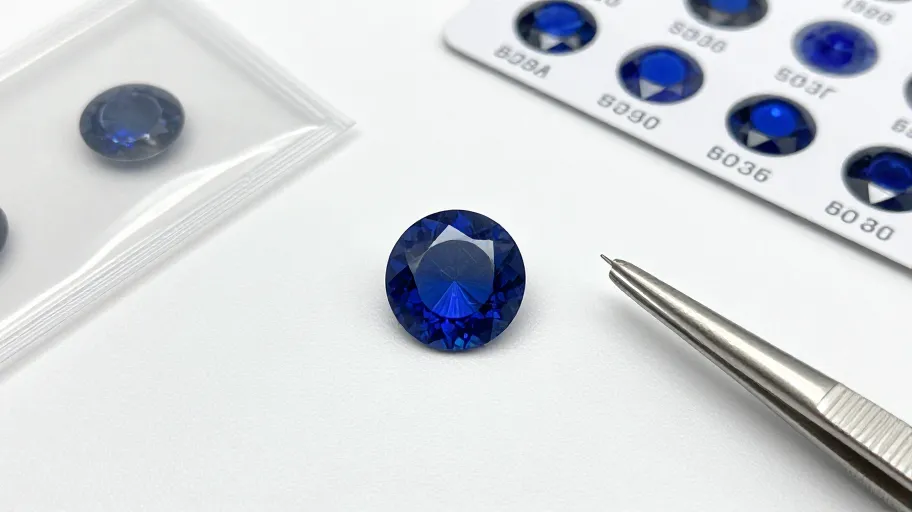
Sapphire watch crystals cannot be reliably repaired by the buyer once scratched. Genuine sapphire ranks near the top of the hardness scale, so household polishes and abrasives will not remove a scratch; anything hard enough to abrade sapphire risks damaging the surface further. For watch brands and component buyers, the practical answer is replacement — and the strategic answer is to specify, sample and approve a crystal that reduces recurrence. This guide applies a Repair–Replace–Specify triage to turn a one-off complaint into a documented sourcing decision.
Why this question matters to buyers, not just owners
When a sourcing manager or product developer searches "how can I repair scratches on my sapphire watch crystal?", the underlying job is broader than a single fix. Field returns, QC rejects and warranty complaints all surface the same question: is the scratch a handling incident, or a signal that the crystal specification — coating, geometry, thickness or edge finish — needs to change on the next production run?
That reframing matters. A repair mindset treats the symptom. A specification mindset treats the cause. The rest of this guide helps you decide which path applies, and how to run the replacement path properly if it does.
The Repair–Replace–Specify triage framework
Use three gates, in order:
- Repair gate. Assess whether polishing the crystal is technically credible for your situation. Because sapphire is extremely hard, conventional polishing compounds cannot cut into it, and any aggressive rework carries risk to flatness, coating integrity and gasket seating. Evaluate this per case with whoever performs your service work; do not assume an outcome.
- Replace gate. If the crystal must come out anyway, treat the event as a replacement order. Document the exact part: dimensions, thickness profile, coating, edge treatment, printing or markers, and gasket interface.
- Specify gate. Before reordering, review whether the scratch pattern suggests a spec change — for example, questions to raise with your supplier about coating options, thickness trade-offs against case height, or exposed-edge geometry. Turn each open point into a written question rather than an assumption.
Decision table: repair, replace or re-specify
| Situation | Likely path | Key action | Questions for your supplier |
|---|---|---|---|
| One scratched crystal from a single customer return | Replace | Document the exact part and approve a like-for-like substitute | What dimensional and coating data do you need from me to match it? |
| Multiple scratches concentrated on coating, same model | Re-specify | Review coating and finish options before reordering | Which coating alternatives can you produce, and how are they verified? |
| Scratches after assembly or transit | Re-specify handling, possibly part | Check packaging and assembly process alongside spec | What protective measures do you recommend for assembly and shipping? |
| Prototype or new model in development | Specify from the start | Freeze the crystal spec before tooling | What drawing format and tolerance callouts do you work from? |
| Uncertain whether the part is sapphire at all | Verify material | Confirm material before deciding anything | What material verification can you provide with samples? |
Specifying the replacement crystal: what to document
A replacement order is only as good as the spec behind it. Whatever the source of the original part, build a written record that a manufacturer can quote and inspect against:
- Geometry: diameter or shape, thickness profile (flat, domed, stepped), and any bevel or edge treatment.
- Interface: gasket seat dimensions, bezel clearance, and how the crystal is retained.
- Coating: whether anti-reflective treatment is applied, on which faces, and how you want it verified at inspection.
- Surface detail: printing, logos, date-window cut-outs, or applied indices.
- Inspection criteria: what you will accept and reject, defined before production rather than argued after.
- Reference artifacts: the original crystal, an approved drawing, or a golden sample, whichever your supplier can work from.
Avoid embedding tolerances you have not confirmed with the manufacturer. Instead, ask what tolerance bands they can hold for each critical dimension on your specific part, and record their answer in the approved spec.
Samples and approval: questions to ask any supplier
Whether you are working with an established partner or evaluating a new one, the approval stage is where assumptions get expensive. Ask:
- What do you need from us to quote a replacement crystal — drawing, sample, or both?
- What is your current sample policy, including any fees and how they are handled? Confirm directly, in writing, before proceeding.
- What dimensional and coating data will accompany the sample?
- What approval gates do you propose — first article, pre-production, production — and what documentation is provided at each?
- How should we handle deviations: what is the correction path if a sample does not meet the agreed spec?
- What do you recommend for packaging and handling to protect finished coatings in transit and assembly?
These questions are deliberately supplier-neutral. Their value is that the answers become part of your project record, so approval is based on evidence you collected, not on claims you remembered.
Sample approval checklist
- Written spec agreed: geometry, interface, coating, surface detail
- Tolerance bands confirmed by the supplier for each critical dimension
- Sample policy, including any fees and shipping terms, confirmed in writing
- Inspection criteria and rejection conditions defined before inspection
- Sample measured against spec and results recorded
- Coating verified per agreed method
- Fit checked in the actual case and gasket
- Deviations, if any, documented with agreed corrections
- Approval signed off by a named owner on your side
- Approved spec and golden sample archived for reorders
FAQ
Can a sapphire watch crystal be polished to remove scratches? Not with consumer products. Sapphire's hardness means ordinary polishes cannot cut it, and effective rework requires equipment that risks flatness and coating damage. Assess any polishing option case by case with qualified service personnel before committing.
If one unit scratches, does that mean the whole batch is suspect? Not automatically — but a pattern across units is a signal. Review where scratches appear, at what stage, and whether coating or geometry is implicated, then raise those observations with your supplier as spec questions.
What should I send a manufacturer to get a replacement crystal quoted? A drawing with critical dimensions and callouts, the original or a reference crystal, and any coating or printing requirements. Ask the supplier what format they prefer and confirm what they can work from.
How do I verify a replacement sample before approving it? Measure it against the agreed spec, verify the coating by the agreed method, and test fit in the real case with the real gasket. Record results and sign off against the checklist above.
What if the sample does not match the spec? That is what the approval gate exists to catch. Document the deviation, agree the correction path and timeline with the supplier, and withhold approval until a conforming sample is approved. The details of correction handling must be confirmed directly with the supplier.
From repair question to sourcing decision
A scratch on one crystal is a service event. A documented specification, a verified sample and a signed approval are what prevent the next one. JadeZone Sapphire, a Shenzhen and Hong Kong B2B manufacturer of custom sapphire watch crystals and precision sapphire components, supports this workflow for watch brands, component buyers and watchmakers specifying custom or OEM crystals. Bring your drawing, your questions and your reference part — and verify every policy point directly with us before committing.
获取采购 Brief — request our purchasing brief to structure your crystal specification, sample requirements and approval gates before your next order.
Low-friction option: start with the sample approval checklist above and send us your completed spec sheet for review — no commitment required.