
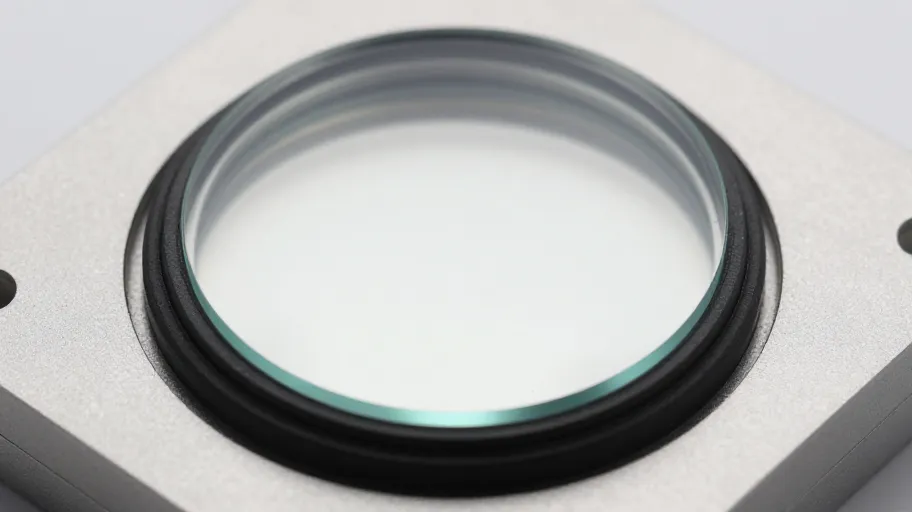
Sapphire crystal watch glass is a transparent cover made from synthetic sapphire — lab-grown crystalline aluminium oxide (corundum) sliced from a boule, shaped, polished and, on many watches, coated to reduce reflection. For buyers, "sapphire" is a spec decision: geometry, coating, edge finish and gasket fit you define, sample and approve before production.
The material, in terms that matter to a sourcing manager
Synthetic sapphire is grown as a boule, then cut, ground and polished into a crystal. It is extremely hard — corundum sits just below diamond on the Mohs scale — which is why watch brands specify it for scratch resistance and long-term optical clarity. Hardness also explains the cost structure buyers care about: sapphire is slower and more demanding to shape than soft glasses, and domed or complex geometries add processing steps rather than just material.
Two implications for procurement:
- The material is consistent; the workmanship is the variable. Different suppliers grow or buy boules and differ in cutting, polishing and inspection discipline. Your evaluation should focus on process control and inspection evidence, not on the word "sapphire" itself.
- "Sapphire crystal" is not a complete spec. Two crystals of identical material can differ in coating, edge finish, gasket-seat profile and optical quality. A purchase order that says only "sapphire crystal" transfers the spec decisions to the supplier — where they should sit with you.
The SPEC–SAMPLE–SIGN-OFF framework
A disciplined crystal purchase runs through three gates. Each gate produces a document; the documents are your protection when a dispute about a batch arises later.
Gate 1 — SPEC: define before you ask
Prepare a written spec that includes at minimum:
- Drawing with geometry (flat, domed, double-domed, box, with or without date window or aperture).
- Material statement (synthetic sapphire / corundum) and required optical grade.
- Coating: none, inner anti-reflective (AR), or double-sided AR — plus how coating adhesion will be verified.
- Edge and gasket-seat details: chamfer profile, seat diameter, surface finish where the gasket seals.
- Marking, if any (logo printing or laser engraving) and its placement and durability requirement.
- Inspection method and acceptance criteria for visible defects, and what document you will receive per batch.
Ask the supplier to confirm in writing which tolerances they will hold for your drawing, and where their process capability differs from your drawing. Do not accept a verbal "no problem" on tolerance — request the values in the quotation.
Gate 2 — SAMPLE: evaluate against measurable criteria
Approve samples only against the same criteria you will use in production. A sample that is judged by eye will be followed by production judged by nobody. Use the checklist later in this guide, and evaluate samples in the conditions your watch will face: on the wrist, in daylight, against the dial colour, with the gasket and case fitted.
Gate 3 — SIGN-OFF: approve with a record
Your sign-off should state: which drawing revision was approved, which sample reference is the golden standard, what inspection evidence accompanies each batch, and who at your company is authorised to release production. Keep a retained golden sample. When a later batch is questioned, comparison against a retained approved sample settles most disputes faster than argument.
Decision table: geometry and coating choices
| Decision | Options | What drives the choice | Questions to confirm with the supplier |
|---|---|---|---|
| Geometry | Flat / domed / double-domed / box / with aperture | Case design, dial visibility, vintage or modern styling | Which geometries do you produce in-house vs subcontract? |
| Coating | Uncoated / inner AR / double-sided AR | Reflection management, dial colour, cost sensitivity | How do you verify AR adhesion and durability? |
| Edge & gasket seat | Chamfered, stepped, bevelled | Case construction and gasket design | What edge finish can you hold on my drawing? |
| Marking | None / printed logo / engraved | Brand requirement | How is marking durability tested? |
| Inspection | Supplier inspection report / third-party / incoming QC | Risk tolerance and programme volume | What inspection documentation accompanies each batch? |
| Golden sample | Retained by buyer / retained by both parties | Dispute prevention | Will you match production to a retained approved sample? |
Approval questions to send before you order
- Which tolerances on our drawing will you confirm in writing for production, and which do you want to renegotiate?
- What is your current sample policy, including any fees, quantities, and shipping arrangements? (Confirm directly — policies differ by programme and are set by the supplier, not by this guide.)
- What inspection method and documentation will accompany production batches, and against what acceptance criteria?
- If a batch fails our incoming inspection, what is your process for review and disposition?
- Will you retain a golden sample matched to our approved reference, and will production be compared to it?
- What information do you need from us — case drawing, gasket spec, dial sample — to quote accurately?
Sample evaluation checklist
Evaluate every candidate crystal against the same list, in the same lighting, with the case and gasket fitted:
- Geometry matches the approved drawing revision.
- No visible scratches, chips or digs under agreed lighting and magnification.
- Polishing is even; no haze or orange-peel texture across the surface, including over domes.
- AR coating, if specified: reflection colour is even across the surface; no peeling at edges.
- Gasket seat and chamfer fit the case without gaps, rocking or forced seating.
- Aperture or date window, if any, is positioned and finished per drawing.
- Marking, if any, is correctly placed, legible and durable after handling.
- Crystal sits flush at the correct height relative to the bezel.
- Sample is labelled, dated and retained as the golden reference once approved.
Frequently asked questions
Is sapphire the same as "scratch-resistant glass"? No. Scratch-resistant mineral glasses are treated glass; sapphire crystal is synthetic corundum, a different material with far greater hardness. When a drawing or supplier document says "hardened" or "mineral", clarify the actual material in writing before approving.
Does sapphire crystal never break? Hardness and toughness are different properties. Sapphire resists scratching very well, but like any brittle material it can crack or shatter on sharp impact. Treat impact resistance as a case-design question, not a glass-only guarantee.
What does AR coating do, and is it worth specifying? Anti-reflective coating reduces surface reflection and improves dial legibility. Coating adds a process step and an inspection point — adhesion and durability. Confirm with the supplier how coating performance is verified rather than assuming it from the word "coated".
Should I approve a sample or a drawing? Both, together. The drawing defines intent; the approved sample defines the achievable standard. Your production release should reference a drawing revision plus a retained approved sample.
How do I compare suppliers fairly? Give every candidate the same drawing and the same written questions — confirmed tolerances, sample policy, inspection documentation — and compare their written answers, not their marketing language. Whoever answers precisely is easier to hold to standard later.
Get the sourcing brief
If you are specifying a custom sapphire crystal for a watch programme, 获取采购 Brief — a structured brief covering geometry, coating, edge finish, inspection criteria and approval questions you can send directly to JadeZone Sapphire and use to compare any supplier on equal terms.
Low-friction next step: download or copy the sample evaluation checklist above, run it against your current crystal supplier's latest sample, and use the results to sharpen your next enquiry.