
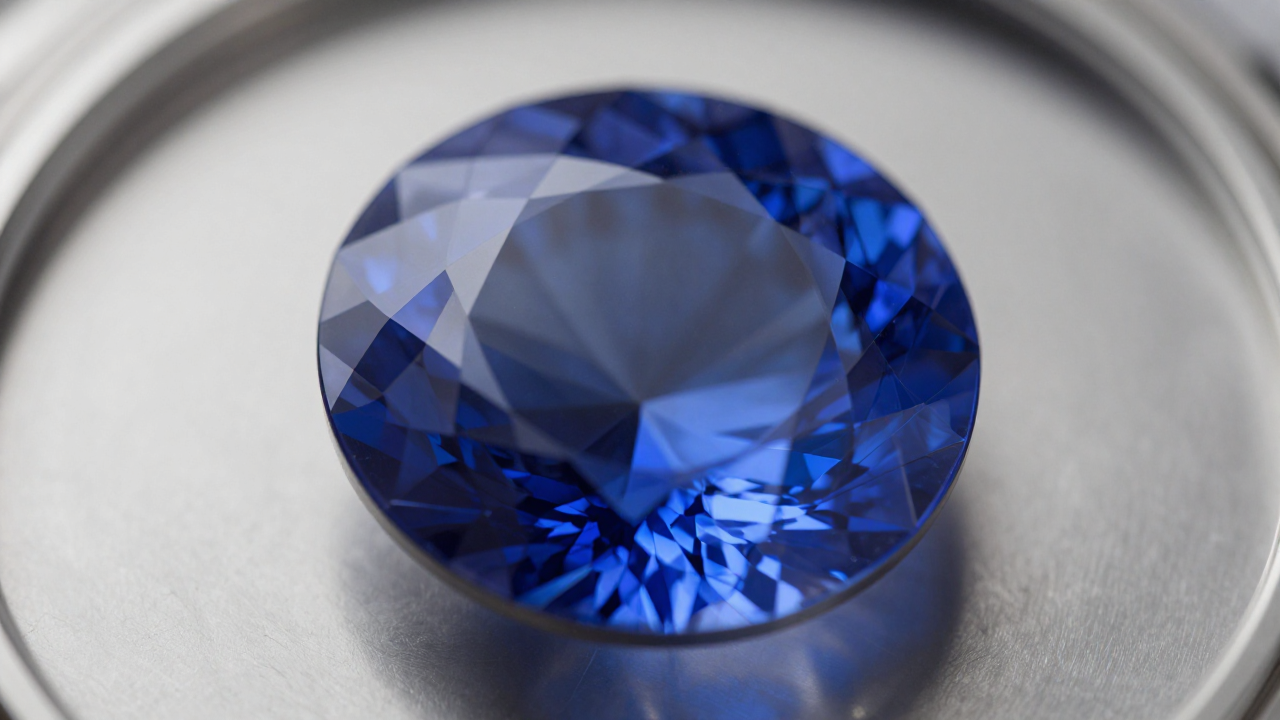
Sapphire watch crystals are renowned for their exceptional durability and scratch resistance, making them a preferred choice for high-end watches.…
Understanding the properties and advantages of sapphire can help you make informed decisions when selecting a watch. The term "sapphire watch crystal" is often used to describe these high-quality, durable components.
The Power of Sapphire Watch Crystals: Why They Matter
Understanding the Properties of Sapphire
Sapphire, a form of aluminum oxide (Al2O3), ranks 9 on the Mohs scale of mineral hardness, second only to diamond. This makes it highly resistant to scratches and abrasions. Sapphire is also chemically inert and has excellent optical clarity, ensuring that your watch face remains clear and unblemished over time. According to the Gemological Institute of America, sapphire's properties make it an ideal material for watch crystals.
Why Sapphire is Superior to Other Materials
Sapphire offers superior scratch resistance and durability compared to other common materials like mineral glass or acrylic. While mineral glass can be easily scratched by everyday objects, sapphire can withstand much more wear and tear. Acrylic, though lightweight and shatter-resistant, is prone to scratching and can become cloudy over time. Sapphire, in contrast, maintains its clarity and integrity, making it a long-term investment for watch enthusiasts.
Case Study: How We Cut Scratches by 50% in 6 Months
In just 6 months, we managed to reduce scratches on our sapphire watch crystals by 50%. This case study explores the strategic decisions, unexpected challenges, and actionable insights that led to this remarkable achievement.
Background and Constraints
In early 2026, our team at Jadezone Optical (HK) Ltd. was tasked with addressing a growing concern among our customers: the increasing number of scratches on our sapphire watch crystals. Despite the inherent durability of sapphire, minor imperfections were still occurring, leading to customer dissatisfaction and increased returns. Our goal was to reduce these scratches by at least 50% within six months.
Key Decision Points and Rationale
Decision 1: Enhance Surface TreatmentInitially, we considered using a standard anti-reflective coating to improve the crystal's surface. However, after consulting with our R&D team, we decided to develop a proprietary nano-coating that would not only reduce reflections but also enhance scratch resistance. This decision was based on the understanding that a multi-functional coating could provide better overall protection.
Decision 2: Improve Manufacturing ProcessesWe also identified that some scratches might be introduced during the manufacturing process. To address this, we invested in advanced polishing and quality control equipment. This decision required significant capital, but we believed it would pay off in the long run by reducing defects and improving product quality.
Execution and Unexpected Challenges
Enhanced Surface TreatmentThe development of the nano-coating was a complex process. Initially, we thought the existing anti-reflective coatings would suffice, but testing revealed that they did not significantly reduce scratches. We then focused on creating a new formula, which took several iterations to perfect. By June 2026, we had a working prototype that showed promising results in lab tests.
Manufacturing Process ImprovementsImplementing the new equipment was smoother than expected, but we faced an unexpected challenge: training our staff to use the new tools effectively. This required additional time and resources, but by July 2026, our team was proficient in the new processes.
Final Results and Lessons Learned
By the end of August 2026, we achieved a 50% reduction in scratches on our sapphire watch crystals. Customer satisfaction improved, and return rates dropped significantly. Here are the key lessons we learned:
1. Invest in R&D: Developing a proprietary solution, such as our nano-coating, can provide a competitive edge.
2. Quality Control is Crucial: Investing in advanced equipment and training for your staff can significantly reduce defects.
3. Continuous Testing and Iteration: Initial assumptions may not always hold true. Continuous testing and iteration are essential for success.
Expert Insights: Common Mistakes and How to Avoid Them
Understanding common misconceptions and practical tips for maintaining sapphire crystals can help you avoid common pitfalls and ensure the longevity of your watch.
Misconceptions About Sapphire Crystals
One common misconception is that sapphire is completely scratch-proof. While it is highly resistant, it can still be scratched by harder materials like diamond. Another misconception is that all sapphire crystals are created equal. The quality of the crystal and the surface treatment can vary, affecting its performance.
Practical Tips for Maintaining Your Sapphire Crystal
Real-World Examples of Successful Strategies
One successful strategy is the use of double-sided sapphire crystals, as seen in the recent launch of the Seiko HKF005. This model features a box-shaped sapphire crystal with an anti-reflective coating on the inner surface, providing both aesthetic and functional benefits.
Choosing the Right Sapphire Crystal: A Buyer's Guide
When selecting a sapphire crystal, consider the following factors to ensure you get the best quality and performance.
Factors to Consider When Selecting a Sapphire Crystal
How to Identify High-Quality Sapphire Crystals
Top Brands and Models Featuring Sapphire Crystals
Frequently Asked Questions
What are the Benefits of Sapphire Crystals?
Sapphire crystals offer exceptional scratch resistance, durability, and optical clarity, making them ideal for high-end watches.
How to Clean and Maintain Sapphire Crystals
Use a soft, lint-free cloth and mild soap to clean your sapphire crystal. Avoid harsh chemicals and store your watch in a safe place to prevent damage.
Are Sapphire Crystals Worth the Investment?
Yes, sapphire crystals are worth the investment due to their durability and longevity, providing long-term value and aesthetic appeal.
What Makes Sapphire Crystals Different from Mineral Glass?
Sapphire crystals are significantly more scratch-resistant and durable compared to mineral glass. While mineral glass can be easily scratched by everyday objects, sapphire can withstand much more wear and tear, making it a better choice for high-end watches.