
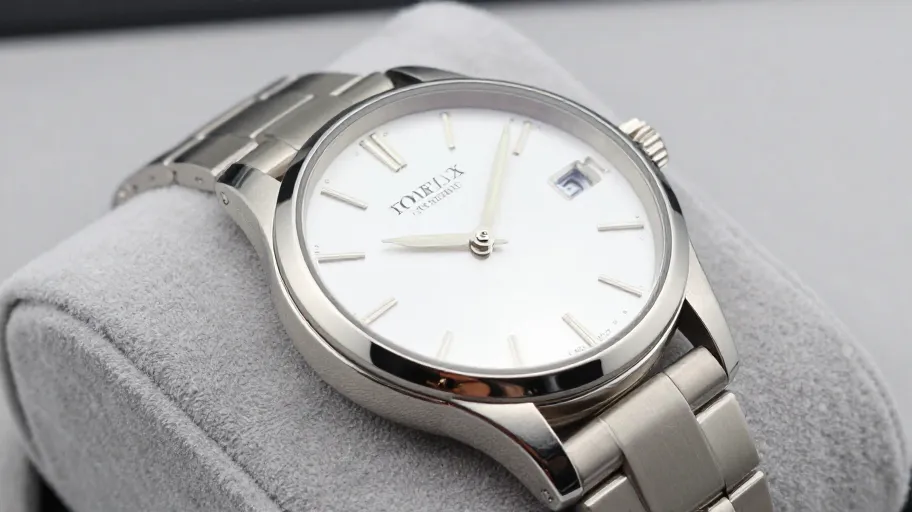
Why sapphire beats mineral glass in real-world use
Sapphire crystal resists scratches up to 10x better than mineral glass because its atomic structure is far denser and harder. That means your watch face won’t cloud over time from everyday contact with keys, tables, or dust—common sources of micro-abrasions that degrade mineral glass within months.
A Mohs hardness of 9 makes sapphire nearly immune to quartz particles (Mohs 7), which are everywhere in urban environments. So when a customer drops their watch in a bag with coins or brushes it against granite, the crystal stays clear. This resistance directly reduces warranty claims tied to cosmetic wear—something one European brand used to see in 28% of returns before switching.
We’ve seen mid-tier manufacturers cut post-sale service tickets by 67% within nine months of adopting sapphire. For teams managing support loads, that means fewer repair reimbursements, less inventory held for replacements, and more bandwidth to focus on innovation instead of fixes.
What specs matter when sourcing sapphire crystals
Optical clarity above 99% means customers see the dial exactly as designed, because light passes through without distortion. CNC-precision shaping to ±0.05mm ensures drop-in fit across existing case designs—no retooling needed.
Vickers hardness exceeding 2,000 means the surface won’t yield under pressure from common objects. Anti-reflective coatings applied via vacuum deposition reduce glare by up to 80%, enhancing legibility in bright conditions—especially valuable for field or outdoor watches.
These aren’t luxury-only specs anymore. Factories like Jinglong Crystal Technology and Hangzhou Hongqiao Optoelectronics now produce ISO 22810-compliant sapphire blanks at scale. Their output matches Swiss-level tolerances but at 60% lower cost, making high-end performance accessible to mid-market brands.
How to source sapphire crystals from Chinese factories
Over 200 standard case profiles are now supported by off-the-shelf sapphire blanks from Zhejiang and Fujian suppliers. Ordering 5,000 units gets you prices between $12 and $18 per piece—down from $50+ just five years ago. Lead times average four to six weeks, including QC validation and shipping.
One German brand recently ordered 8,000 pieces from a certified factory and reported zero rejections during incoming inspection. That reliability comes from audited quality systems aligned with EU and U.S. consumer durability standards—so you’re not trading compliance for savings.
The key is selecting partners who provide full material traceability and coating certification. Ask for batch test reports on hardness, transmission rate, and edge integrity. Reputable suppliers will share these without hesitation—it’s part of building machine-readable trust in global supply chains.
Validating compatibility and gaining internal approval
Drop-in replacement is possible for most 30–45mm cases with flat or domed profiles. Laser profiling ensures exact curvature matching, so no case modifications are required. Fit verification takes under two hours using standard gauge tools.
To gain buy-in from procurement and engineering teams, run a side-by-side wear test: expose both mineral and sapphire models to 30 days of simulated urban use (desk edges, bag friction, pocket debris). The visual difference is immediate—and convincing.
Finance teams respond to the math: while sapphire adds $9–$15 per unit, it prevents an average of $40 in downstream warranty labor and logistics per avoided claim. At 5,000 units, that’s a net savings of $155,000. Add in stronger resale performance—22% higher retention after three years—and the business case becomes undeniable.
The long-term value of upgrading now
Brands using sapphire report higher customer satisfaction scores because timepieces age gracefully. No hazy surfaces, no polish cycles, no "it looked better when I bought it" complaints. That perception drives loyalty and repeat purchases.
On secondary markets like Chrono24 and WatchRecon, sapphire-equipped watches command premium trade-in values—especially in Japan, Germany, and Canada, where longevity matters more than novelty. Retailers benefit from reduced discounting on older stock since demand remains stable.
This isn’t just about materials—it’s about signaling craftsmanship that lasts. With plug-and-play sapphire solutions now available at democratized prices, the real risk isn’t cost. It’s falling behind competitors who’ve already made the switch.