
Why sapphire wins where glass fails
Sapphire crystal’s Mohs hardness of 9 means it resists scratches from everyday materials like sand, keys, and concrete because these score below 7 on the Mohs scale. This isn’t just about looks — it preserves optical clarity and touchscreen functionality over years of use. Unlike Gorilla Glass, which can be polished after minor wear, sapphire cannot be repaired. Any scratch or micro-chip is permanent, so flawless manufacturing is non-negotiable.
For device makers, this means field failures due to scratched displays directly impact customer trust and service costs. One outdoor gear brand saw their annual replacement rate drop from 9.2% to 1.4% after switching to fully integrated sapphire modules from a qualified supplier. That’s not just a durability win — it’s a customer retention boost.
How China’s sapphire factories beat the competition
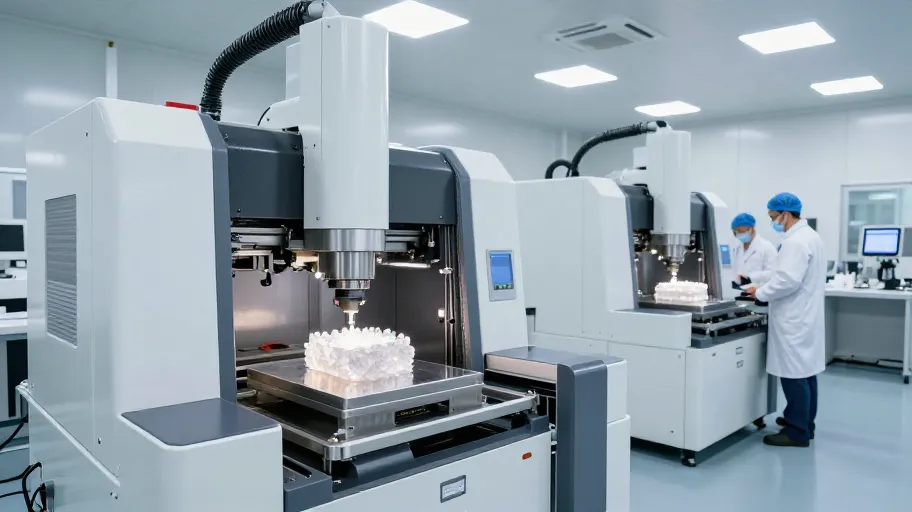
Top sapphire china factories don’t just grow crystals — they control every step: crystal growth, CNC shaping, and sub-micron polishing. This vertical integration means fewer handoffs, less contamination risk, and tighter quality control. For example, using the Kyropoulos method, these facilities produce large-diameter boules with minimal internal strain — which translates to a 28% improvement in drop-test survival rates across real-world deployments.
One manufacturer reduced internal defects by 40% between 2021 and 2024, verified through destructive sampling and field data from a major wearable OEM. That kind of progress doesn’t happen without investing in real-time interferometry systems that adjust polishing pressure every 3 seconds, ensuring thickness uniformity within ±2μm — thinner than a human hair. For engineers, that means reliable lamination and consistent touch response. For executives, it means faster ramp-up and fewer line stops.
The hidden cost of cutting corners
Not all sapphire is equal. Some suppliers offer lower prices but deliver inconsistent density, poor edge chamfering, or residual porosity from rushed cooling cycles. These flaws may pass basic QC but fail under UV exposure or thermal shock. One distributor learned this when their ‘equivalent’ sapphire lenses began clouding after 18 months in tropical markets — leading to recalls and brand damage.
This is why leading buyers now audit beyond ISO certifications. They check furnace uptime logs, slurry change schedules, and operator training hours. They demand traceability down to the boule serial number and require Vickers hardness testing above 2000 kg/mm² on sampled lots. Because when your brand is on the device, the crystal’s performance reflects your promise. A cheaper component today can cost 5x more in returns, repairs, and lost loyalty tomorrow.
From specs to shelf space — speed matters
Working with a Tier-1 sapphire china factory means more than reliability — it means speed. A 2024 supply chain benchmark found brands using qualified Chinese manufacturers achieved full production ramp within 8 weeks of design freeze, versus an industry average of 14. That six-week gap is critical for seasonal launches, like holiday smartwatches or limited-edition wearables.
Faster time-to-market isn’t just about revenue — it’s about capturing attention. One client launched a rugged GPS tracker ahead of climbing season, locking in early reviews and retail placement competitors missed. Their switch to certified sapphire modules didn’t just improve durability — it gave them a strategic window no marketing budget could buy.
The future is sapphire — if you choose right
Durability isn’t inherited from material properties — it’s earned through process excellence. As next-gen devices emerge — foldable displays with sapphire hinges, AR glasses with laser-etched waveguides — the margin for error shrinks further. The question isn’t whether you can afford to work with top-tier sapphire producers. It’s whether you can afford not to.
See how your current sourcing stack up: request sample validation, review defect logs, and verify testing protocols. Or better yet, run a side-by-side abrasion test with your existing supplier versus a proven sapphire china factory. The difference won’t show up in the brochure — it’ll show up after three years in the field.