Pioneer and leader in the same industry


Specifying a custom sapphire watch crystal requires precise engineering data to ensure case compatibility and optical clarity. By defining geometry, coatings, and edge finishes upfront, procurement teams can reduce sampling iterations and accelerate production readiness. This guide outlines the critical parameters necessary for a accurate specification sheet.
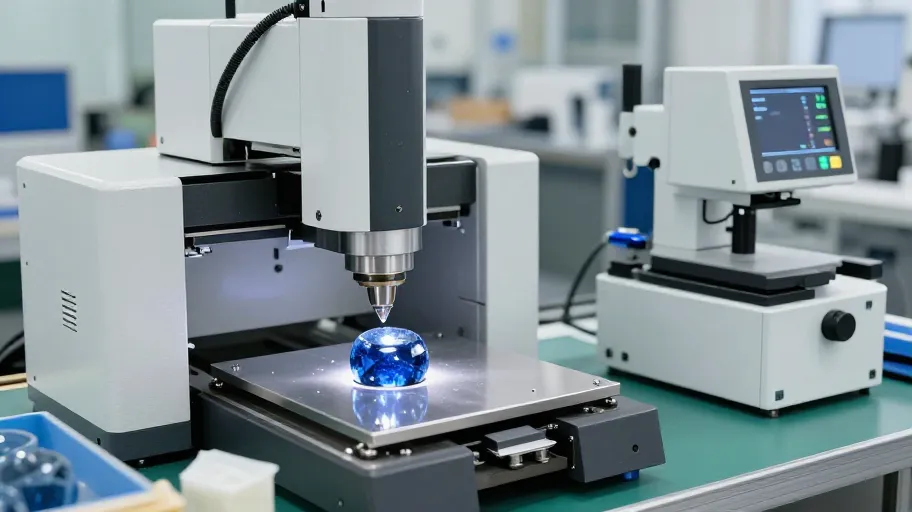
To effectively compare a sapphire watch crystal manufacturer, procurement teams must move beyond unit price and strictly evaluate technical capabilities, material traceability, and quality control protocols. The most reliable way to assess a potential partner is to audit their process controls—from raw boule sourcing to final optical inspection—rather than relying solely on sample aesthetics. By implementing a structured vetting framework, buyers can mitigate the risk of batch inconsistencies and ensure the supplier can meet specific geometric and optical requirements.
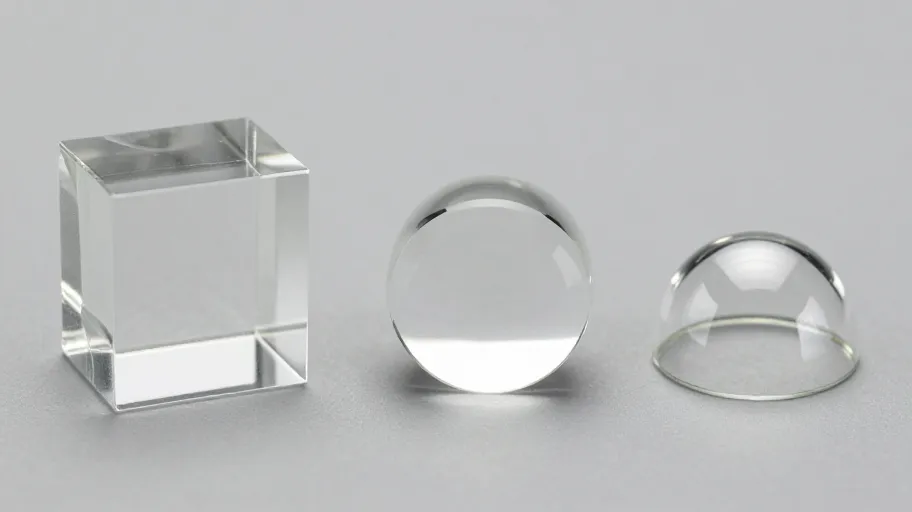
Selecting the right sapphire watch glass types involves balancing the intended aesthetic narrative with the mechanical realities of water resistance and dial legibility. While flat crystals offer the most straightforward path to high compression ratings and minimal distortion, domed and box-type geometries provide the distinctive visual depth and vintage authenticity that modern collectors demand, provided the brand accounts for increased internal volume, light refraction, and hand clearance.
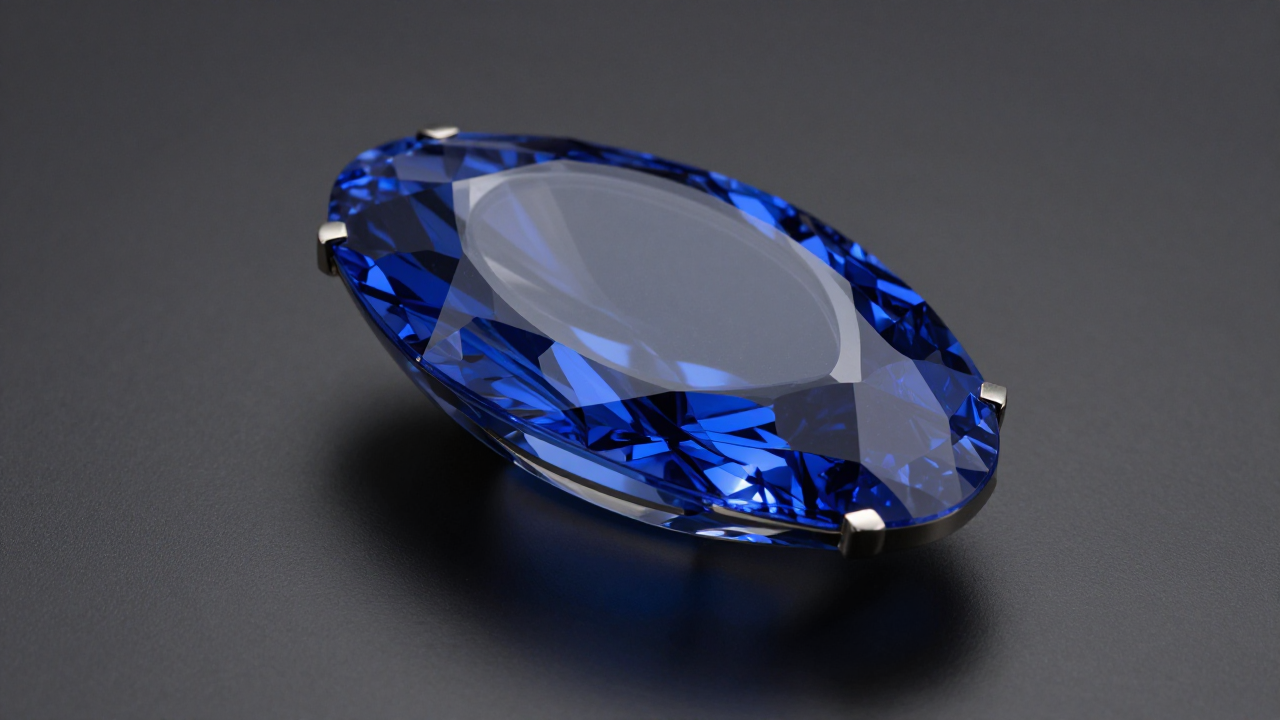
Marcus Trent bought a Swiss diver in Miami in March 2023. The seller promised a sapphire watch crystal.…
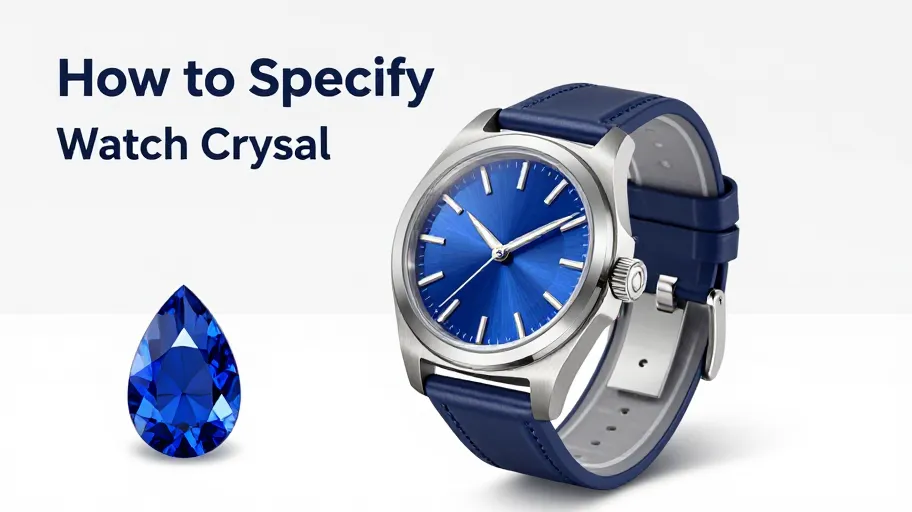
To specify a custom sapphire watch crystal effectively, product developers must precisely define geometry, edge profiles, optical treatments, and dimensional tolerances before initiating a quotation. Accurate documentation prevents engineering revisions and ensures the final component integrates seamlessly with the case architecture and movement.
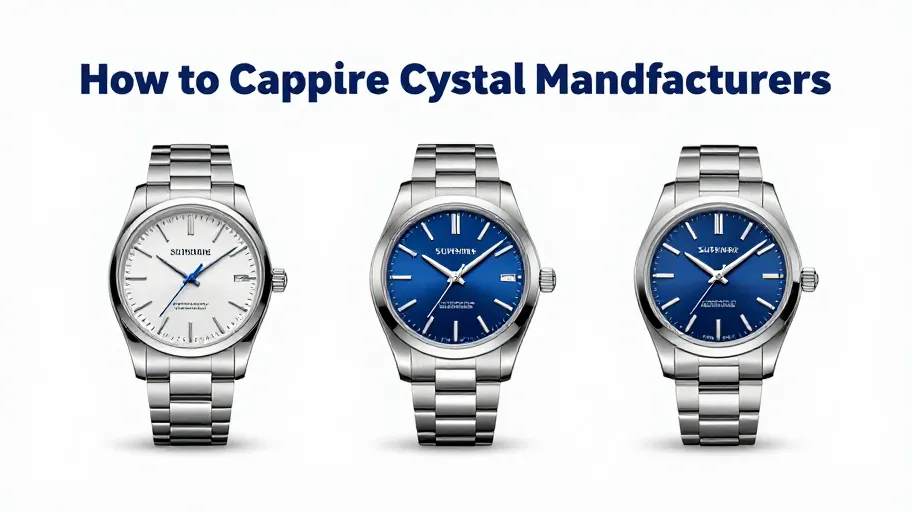
Selecting a sapphire watch crystal manufacturer requires a shift from price-based shopping to capability-based auditing. For procurement teams, the priority is verifying that a supplier can maintain consistent optical clarity, structural integrity, and dimensional precision across large production volumes. To effectively compare suppliers, you must evaluate their technical protocols, quality control systems, and transparency regarding material sourcing.

Selecting the correct geometry is a foundational decision in watch specification that dictates both the visual identity of the timepiece and the complexity of the case engineering. For most modern applications, flat sapphire offers superior sealing and ease of anti-reflective coating application. However, box-type sapphire is essential for vintage re-issues requiring a distinct vertical step, while domed sapphire remains the choice for maximizing dial depth and refractive allure in dress watches.


Most brands think they’re buying glass — but sapphire crystal china manufacture is really about controlling atomic-level purity. One flaw in growth, and your luxury timepiece looks cheap in six months.
Page 52 of 65
