Pioneer and leader in the same industry
To ensure water resistance and structural integrity, watch engineers must prioritize the precise alignment between sapphire crystal dimensions and the gasket compression zone. This guide outlines a verification framework to manage fit risks, ensuring your technical drawings account for the interaction between the crystal, the case, and the seal without relying on unverified assumptions.
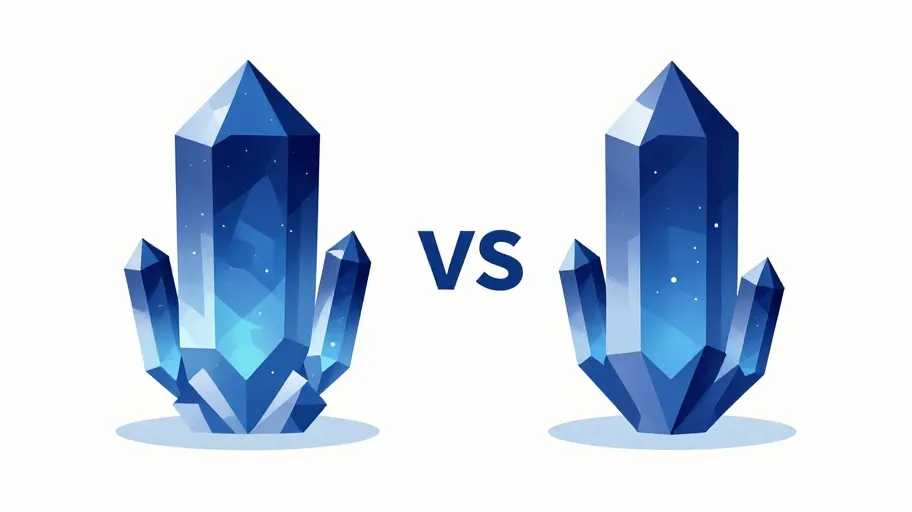
The primary distinction lies in the internal geometry: a single-domed sapphire crystal features a flat interior surface with a curved exterior, whereas a double-domed crystal curves both externally and internally. While both options fall under the category of domed sapphire watch glass, the choice between them significantly impacts the dial's magnification, the required case height, and the complexity of manufacturing precision. For sourcing managers and product developers, selecting the correct profile is not merely an aesthetic decision but a critical engineering constraint that affects water resistance and dial legibility.
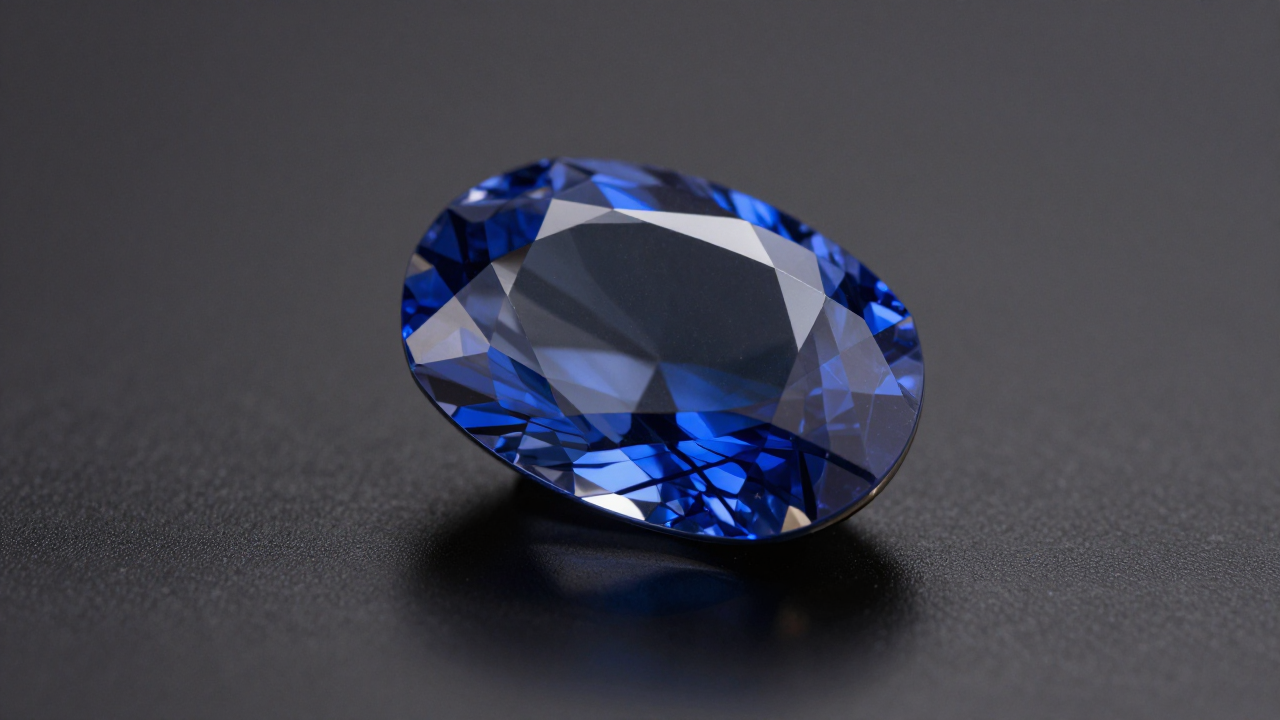
Shopping in 2026 has a strange split. A $300 microbrand diver lists sapphire watch crystal as standard, while a $1,200 fashion watch still ships with mineral glass and charges $75 for the upgrade.…
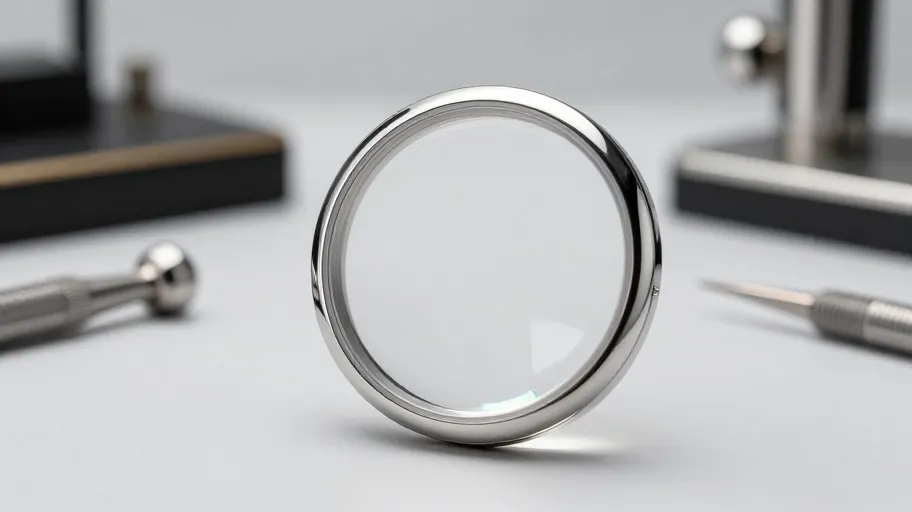
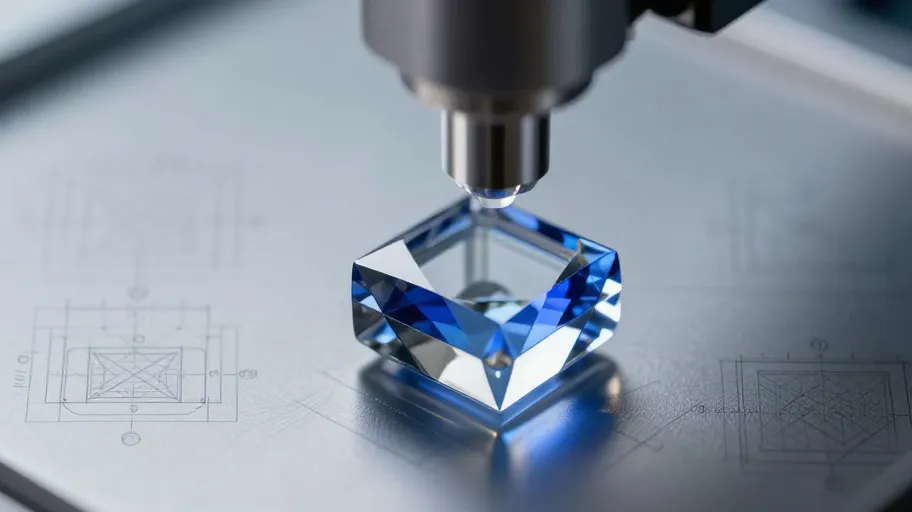
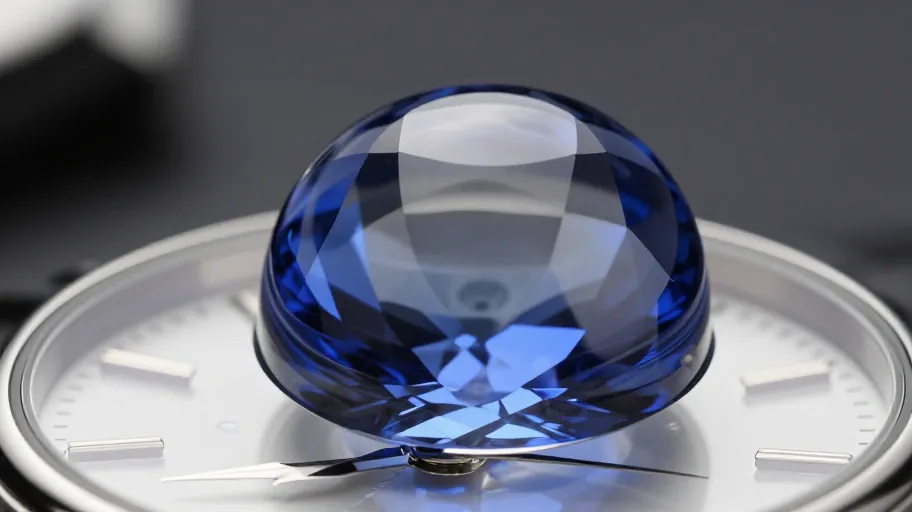
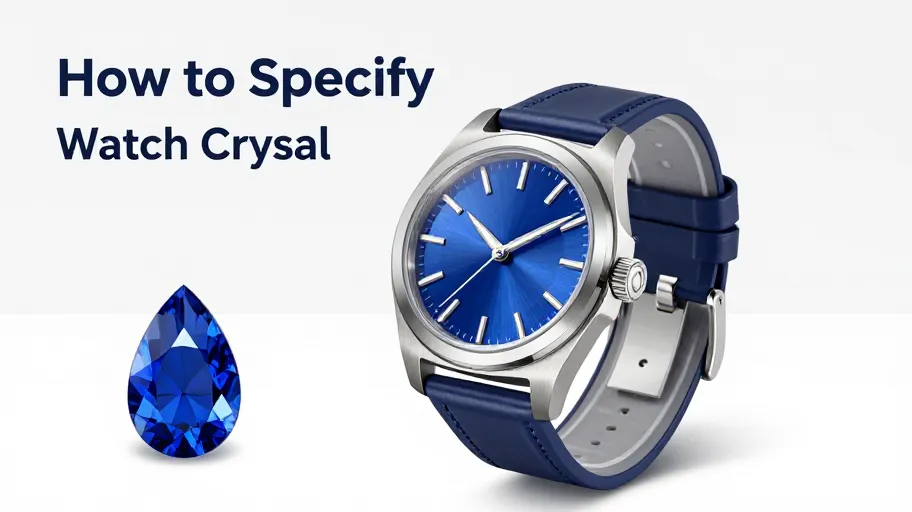
Specifying a custom sapphire watch crystal requires precise documentation of geometry, material grade, and surface treatments to ensure fit and performance. By defining these parameters clearly before engaging a manufacturer, product developers can reduce sampling cycles and accelerate the procurement process for a custom sapphire watch crystal.
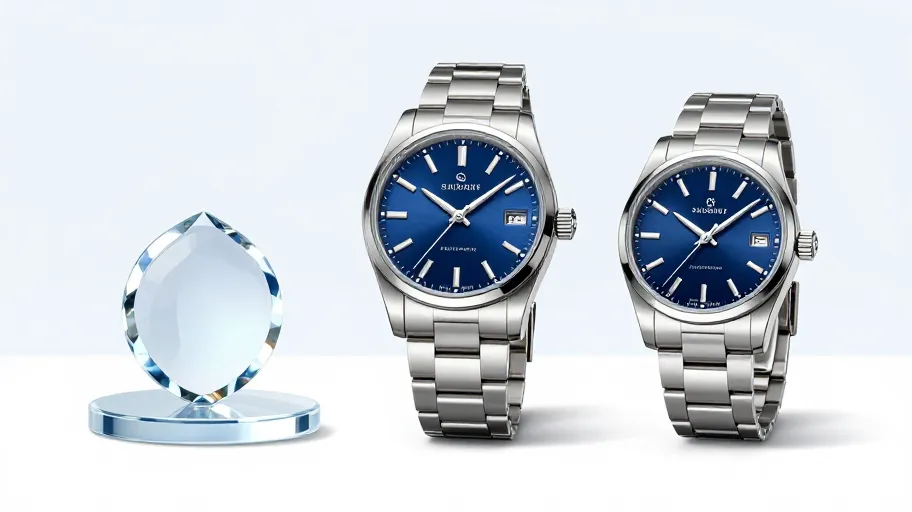
Selecting a sapphire watch crystal manufacturer requires verifying technical capability and process control rather than simply comparing price quotes. To mitigate supply chain risks, procurement teams must apply a rigorous verification framework that assesses raw material sourcing, precision metrology, and quality assurance protocols before committing to a production run.
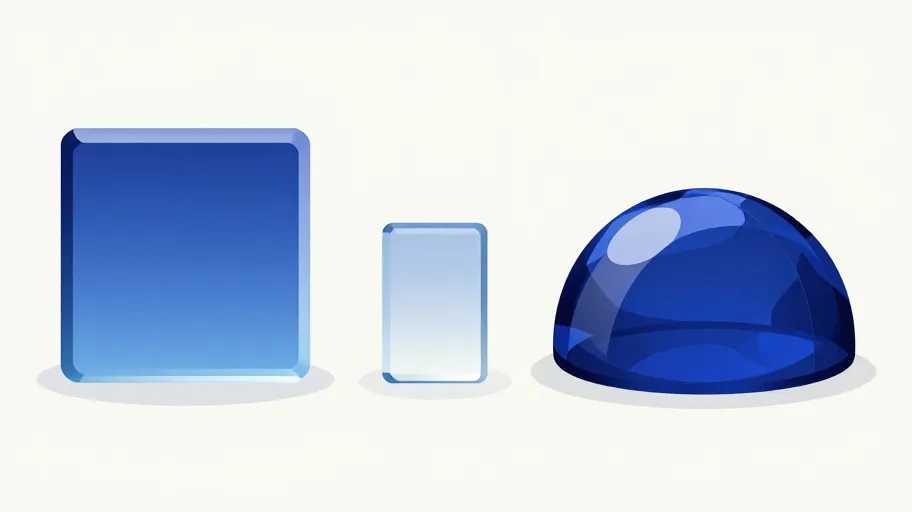
Selecting the correct sapphire watch glass type is a foundational decision in watch design that balances aesthetics against structural integrity. Flat crystals provide optimal legibility and straightforward assembly, while domed and box-type geometries offer distinct visual depth and magnification. Sourcing managers must evaluate the manufacturing feasibility of each curvature to ensure alignment with the case design and brand identity.
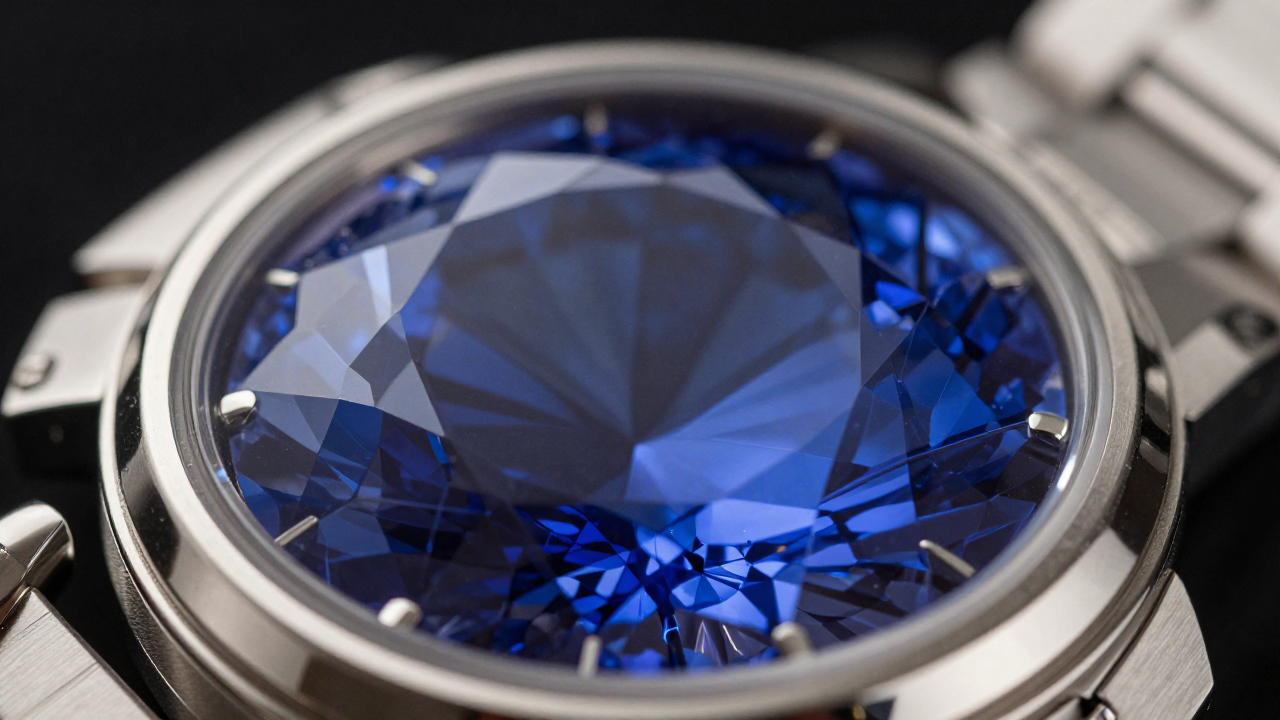
If you spend more than $400 on a watch in the US in 2026, mineral glass should not be on your radar.…
Page 29 of 39