
';

NEWS CENTER

Pioneer and leader in the same industry

At 11:42 p.m. EDT on September 17, 2025, our Shenzhen shift supervisor sent a message to my phone: a Miami-based dive watch brand had rejected 400 sapphire watch crystals over a 0.…

In the next 18 months, sapphire watch crystal will move from premium spec to baseline expectation across mid-tier watches. We've watched that transition from a production floor in Shenzhen since 2010.…

Getting custom sapphire watch crystals right means avoiding costly mistakes. Precision specs cut delays, reduce rework, and protect your brand. Here’s how to do it the smart way with reliable Chinese manufacturing.

Choosing the right sapphire china factory isn’t about price tags—it’s about proving performance. We break down how real data beats paperwork every time.

Over 80% of luxury watches wear a Chinese-made crystal—without you ever knowing. Synthetic sapphire from China now powers global timepiece durability and clarity, turning material science into competitive advantage.

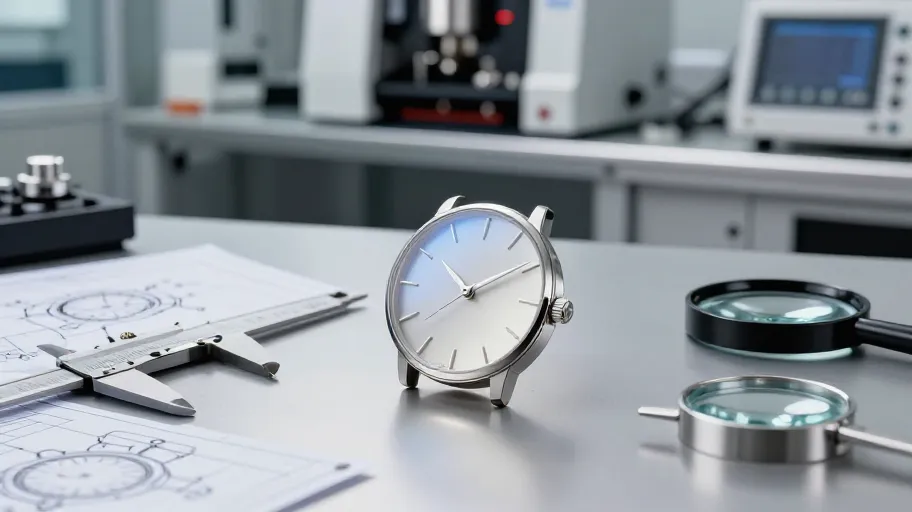
Specifying a custom sapphire watch crystal requires translating design intent into verifiable engineering parameters. To move from concept to production, product developers must provide detailed definitions of geometry, material grade, and surface treatment. Without precise specifications, manufacturing feasibility cannot be confirmed, leading to potential delays in prototyping and assembly. Successful procurement relies on a complete technical package that addresses fit, function, and finish.
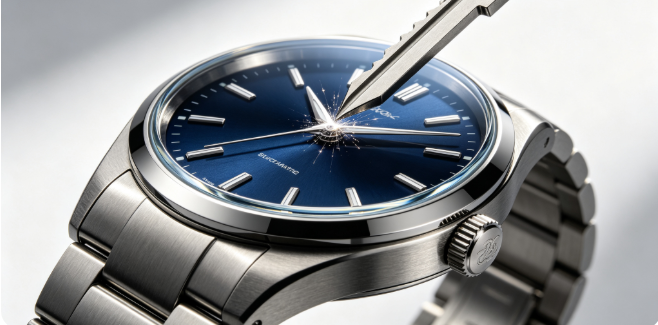
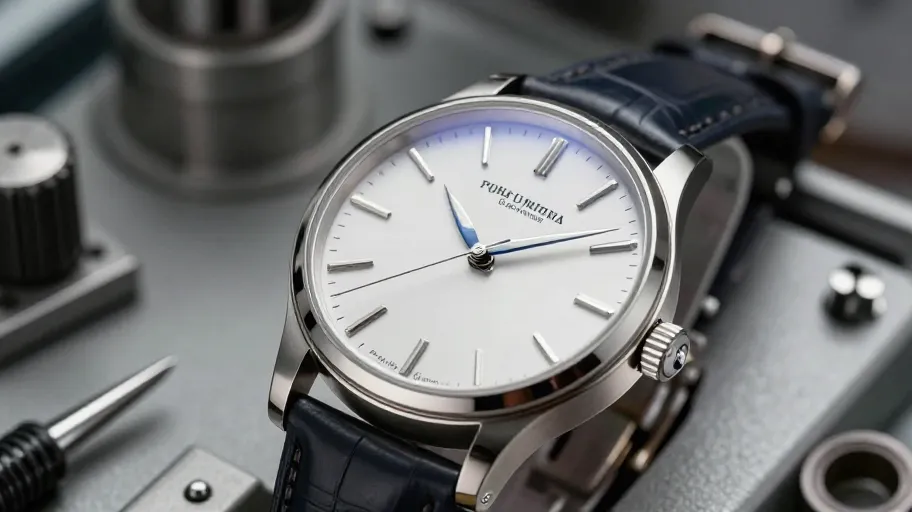
Selecting a sapphire watch crystal manufacturer is not merely a procurement exercise; it is a strategic decision that defines the visual clarity, durability, and water resistance of your final timepiece. For sourcing managers and product developers, the challenge lies in distinguishing between suppliers who offer generic cut glass and those who provide precision-engineered optical components. To mitigate risk and ensure supply chain consistency, buyers must move beyond unit price and rigorously evaluate a partner's technical capabilities, process controls, and quality assurance protocols.

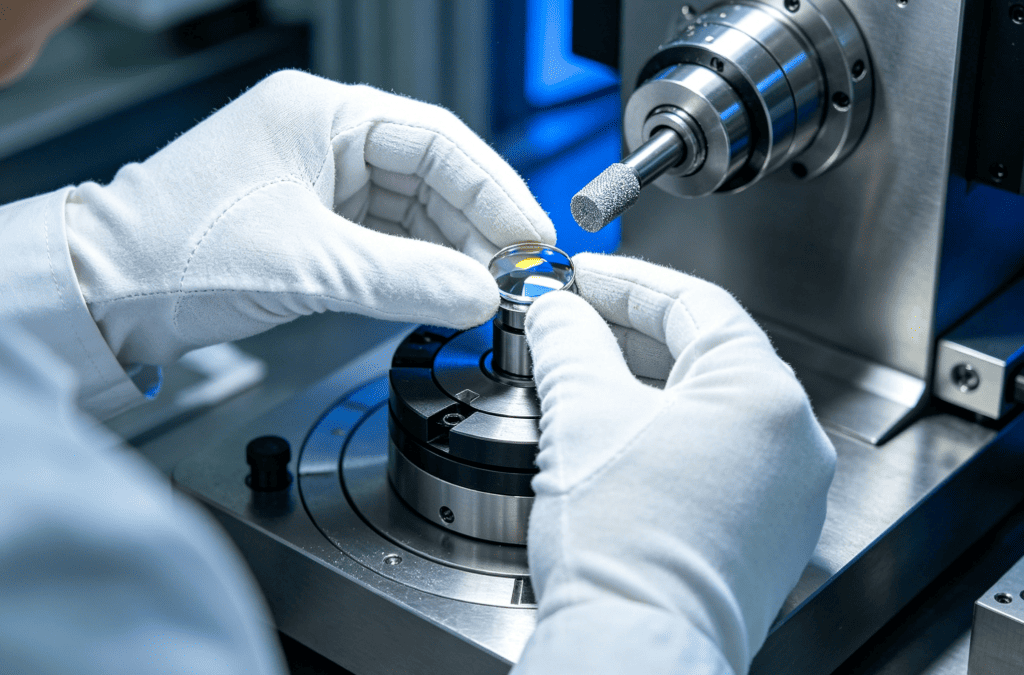
Sourcing a sapphire watch crystal manufacturer requires shifting focus from unit price to process verification. To mitigate supply chain risk, procurement teams must audit a supplier's quality control systems, raw material traceability, and precision machining capabilities before engaging in sampling. The most effective way to compare manufacturers is to apply a rigorous verification framework that exposes actual technical capability rather than relying on sales specifications.

Choosing between flat, box-type, and domed sapphire watch glass types is a foundational decision that defines the visual identity and perceived value of a timepiece. While flat profiles maximize legibility and suit modern tool watches, domed and box-type geometries offer vintage charm and visual depth that command a premium. However, these shapes introduce complex manufacturing variables regarding thickness, coating application, and case sealing. To ensure manufacturability, sourcing managers must align their design intent with the specific tolerances required for each curvature profile.

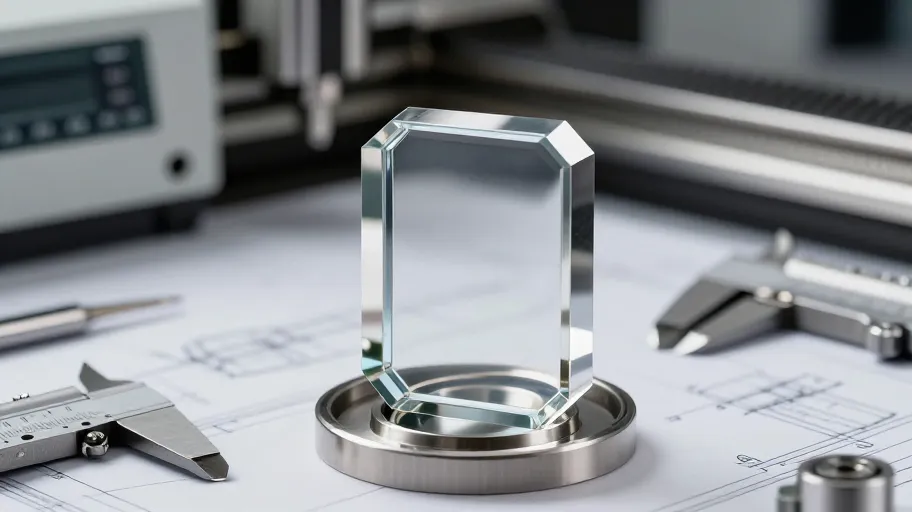
To ensure a seamless integration of your timepiece's case and movement, defining a custom sapphire watch crystal requires exacting attention to geometric datum points, surface treatment specifications, and optical clarity grades. You must move beyond basic diameter and thickness measurements to provide a complete technical package that accounts for edge profiles, internal coatings, and tightness tolerances. This guide outlines how to construct a specification sheet that minimizes engineering queries and accelerates the manufacturing validation process.