Pioneer and leader in the same industry


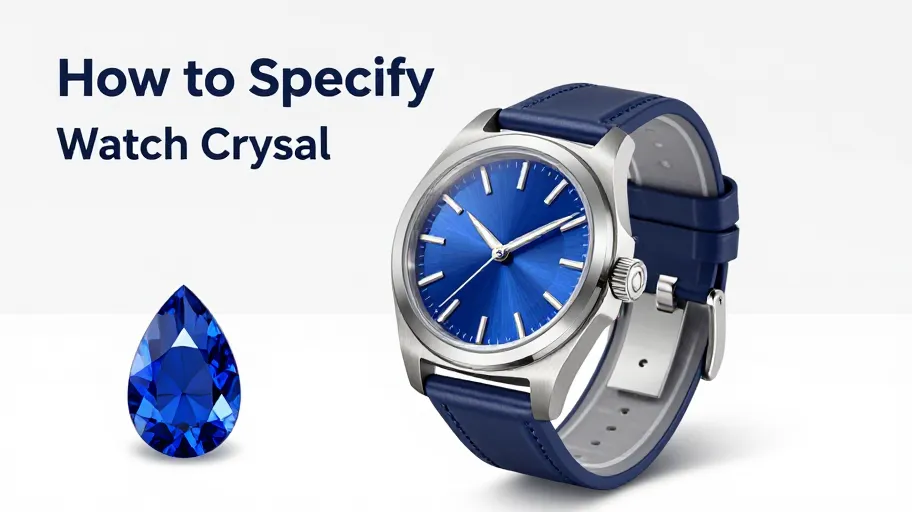
To specify a custom sapphire watch crystal effectively, you must translate your aesthetic design into precise engineering parameters that a manufacturer can execute without ambiguity. This involves defining geometry, material thickness, optical coatings, and dimensional tolerances within a standardized technical drawing or data sheet. By treating the crystal as a precision mechanical component rather than a generic accessory, procurement managers can eliminate quotation errors and accelerate the sampling phase.
Selecting a partner for your timepiece requires moving beyond price lists and sample aesthetics. For procurement teams, the core objective is to mitigate supply chain risk by validating a supplier's technical capability and process control. You must verify that a sapphire watch crystal manufacturer can consistently meet your specific tolerances, optical standards, and delivery schedules through documented evidence rather than sales assurances.

Selecting the correct sapphire crystal geometry is a foundational decision that defines a watch’s visual identity, durability, and price point. For sourcing managers and product developers, the choice requires balancing the desired aesthetic against engineering constraints like water resistance and manufacturing yield. By analyzing the specific utility of flat, box-type, and domed configurations, buyers can align their component specification with their brand positioning without compromising technical integrity.
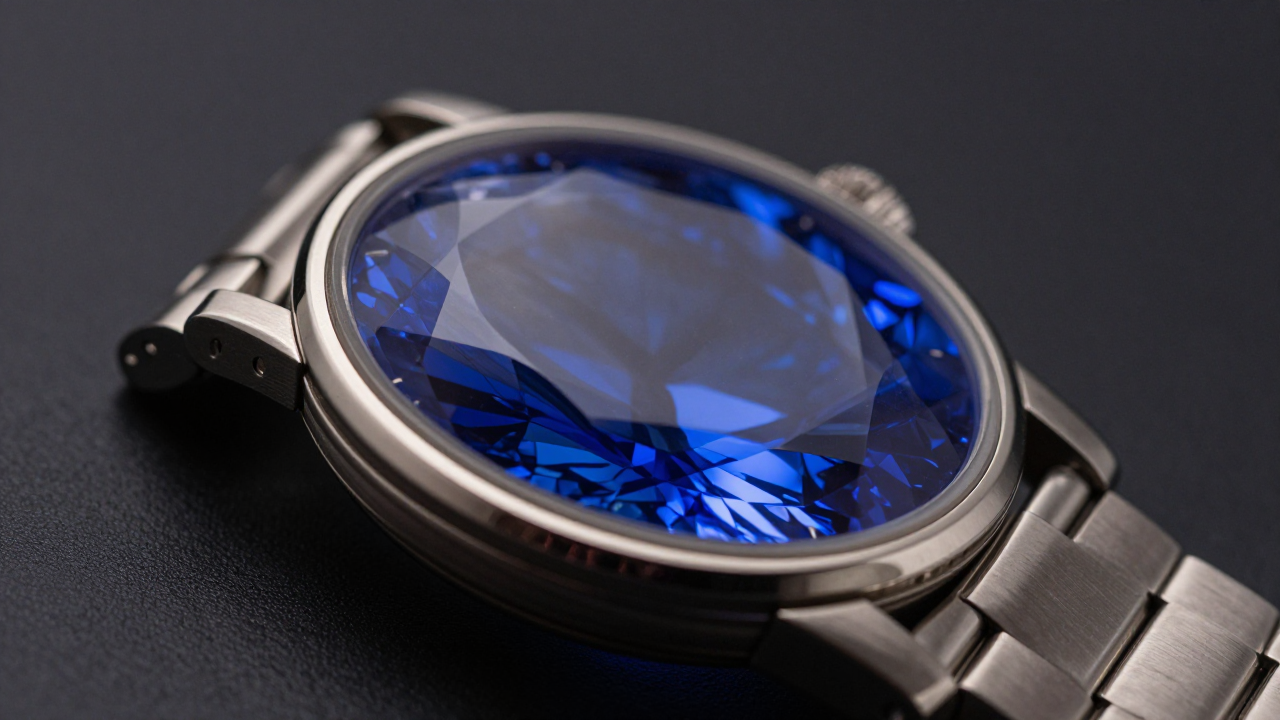
At 11:47 p.m. on a Tuesday in November 2023, a watch repair shop owner in Tucson, Arizona, sent us a photo that stopped me mid-scroll.…


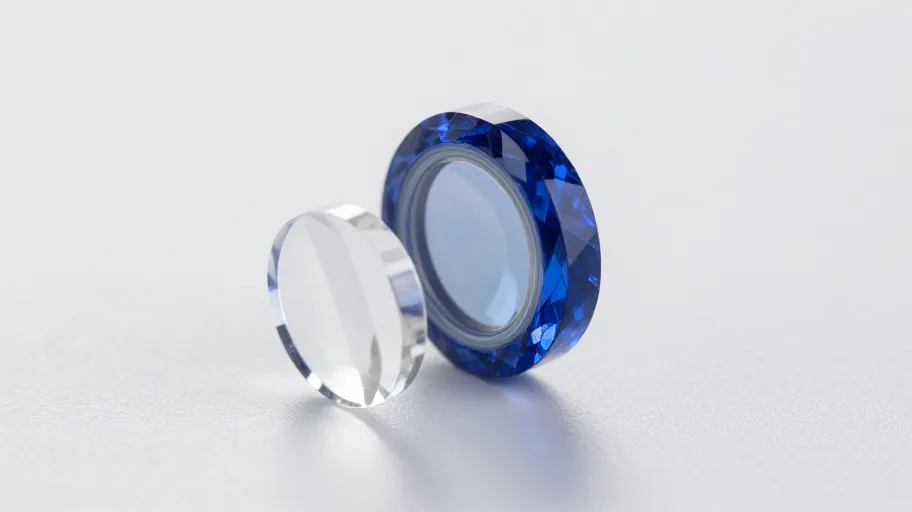
To successfully procure a custom sapphire watch crystal that fits perfectly and performs reliably, you must move beyond basic dimensions and define a comprehensive technical specification that covers geometry, optical grade, and surface treatment. By utilizing a structured framework to document these attributes, you ensure the manufacturer can engineer a component that aligns strictly with your case design and performance standards.
Page 31 of 39