Pioneer and leader in the same industry
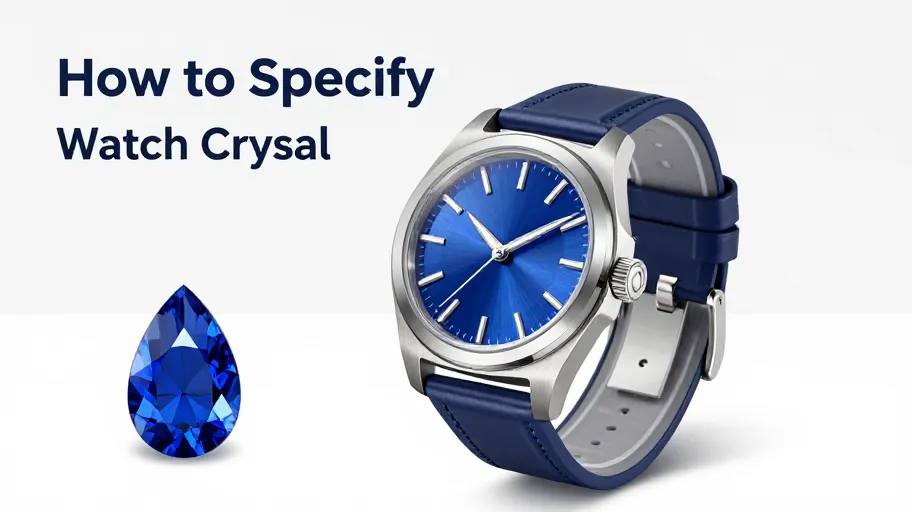
Successfully procuring a custom sapphire watch crystal requires translating aesthetic intent into precise engineering language. For product developers and sourcing managers, the difference between a successful production run and a batch of rejected components often lies in the clarity of the initial specifications. To ensure your manufacturer can deliver exacting results, you must move beyond simple diameter measurements and define the geometry, surface physics, and fitment tolerances using a structured technical approach.
Sourcing a sapphire watch crystal manufacturer requires a forensic approach to technical verification rather than a simple comparison of price lists. Procurement teams must move beyond surface-level aesthetics to rigorously validate a supplier’s ability to deliver consistent dimensional accuracy, optical purity, and coating durability. To mitigate production risks, buyers should adopt a structured framework that scrutinizes raw material provenance, precision machining tolerances, and quality assurance protocols before committing to a bulk order.

Selecting the correct profile is the foundational step in watch specification development. Flat sapphire offers superior legibility and a modern, thin profile, making it ideal for dress watches. Box-type crystals provide vintage aesthetic height and distinct light play, while domed sapphire maximizes water resistance depth and visual fluidity for tool watches. The choice depends entirely on your brand’s design language versus the required utility of the timepiece.
Selecting a sapphire watch crystal manufacturer requires moving beyond simple price comparison. For procurement and quality teams, the priority is ensuring that the supplier can consistently deliver optical clarity, dimensional precision, and coating durability at scale. To mitigate risk, buyers must apply a rigorous verification framework that evaluates technical capability, process control, and evidence-based quality assurance rather than relying solely on sales presentations.

Selecting the correct sapphire watch glass types is a foundational decision that balances aesthetic intent against engineering constraints. For watch designers and private-label brands, the choice between flat, box-type, and domed geometries determines not only the visual identity of the timepiece but also the complexity of the supply chain. Flat profiles offer maximum structural efficiency and coating simplicity; box-type crystals provide vintage dimensionality without the extreme edge-thinning of domes; domed sapphires deliver superior visual depth and scratch-resistance angles but require careful thickness verification to maintain water resistance. The optimal choice depends on aligning the geometry with the specific utility and design language of the collection.
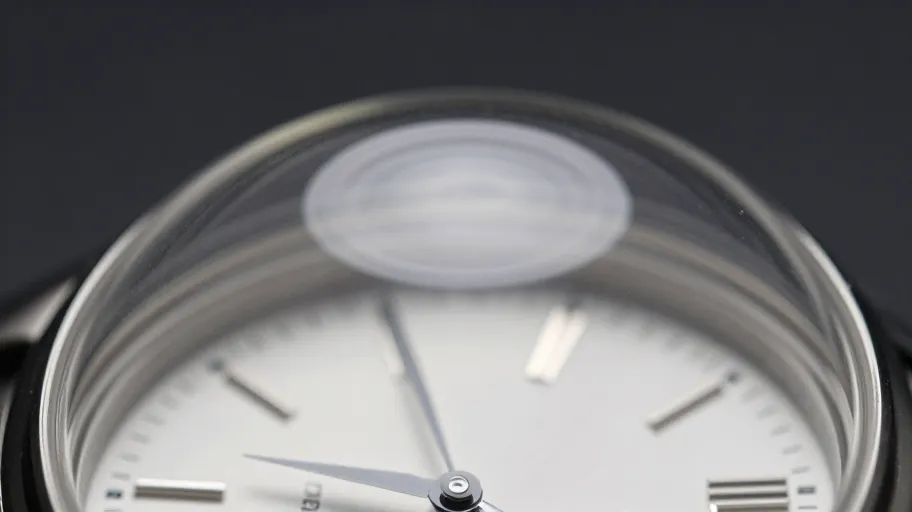
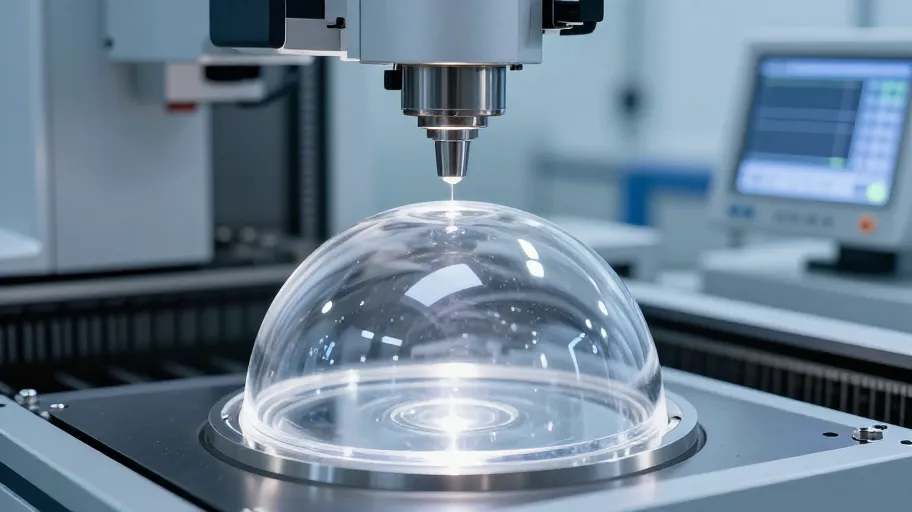
Selecting the right sapphire crystal manufacturer in China shapes durability, brand trust, and long-term value. Price isn’t the real cost—failure is. Here’s how to cut through the noise.

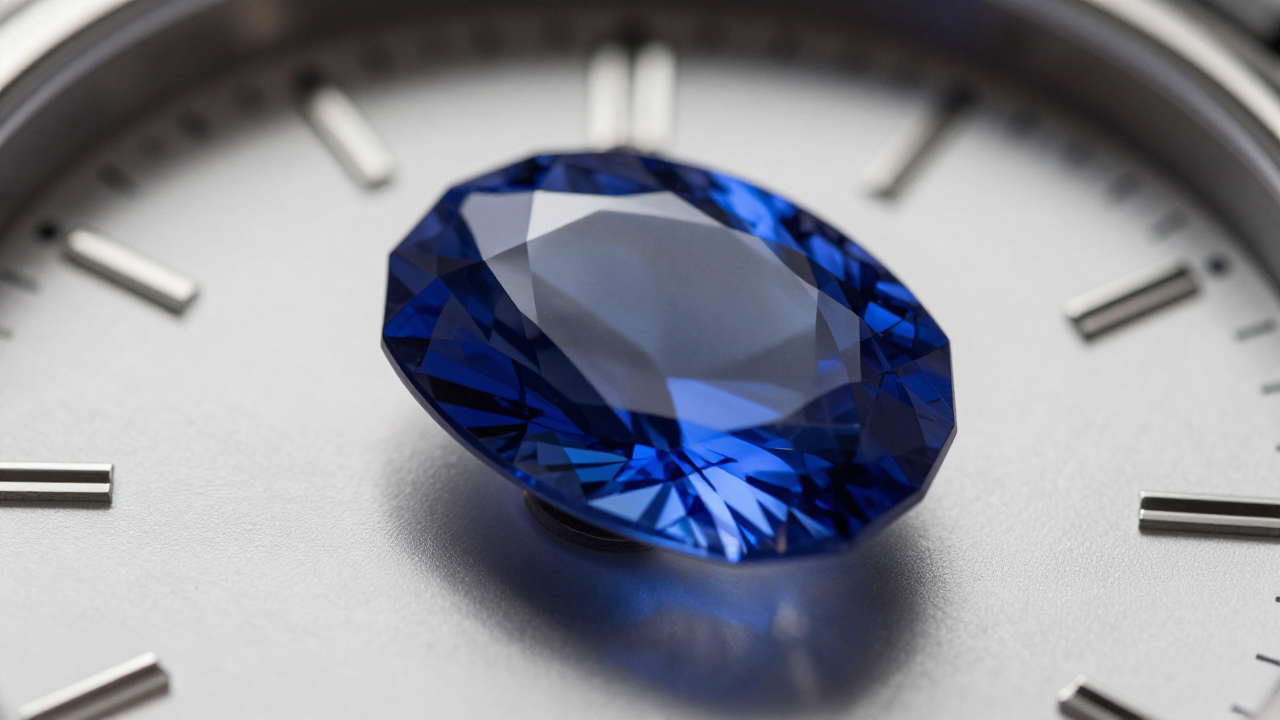
Sapphire watch crystals have long been the gold standard in luxury timepieces, thanks to their exceptional durability and clarity.…
Page 30 of 39