Pioneer and leader in the same industry
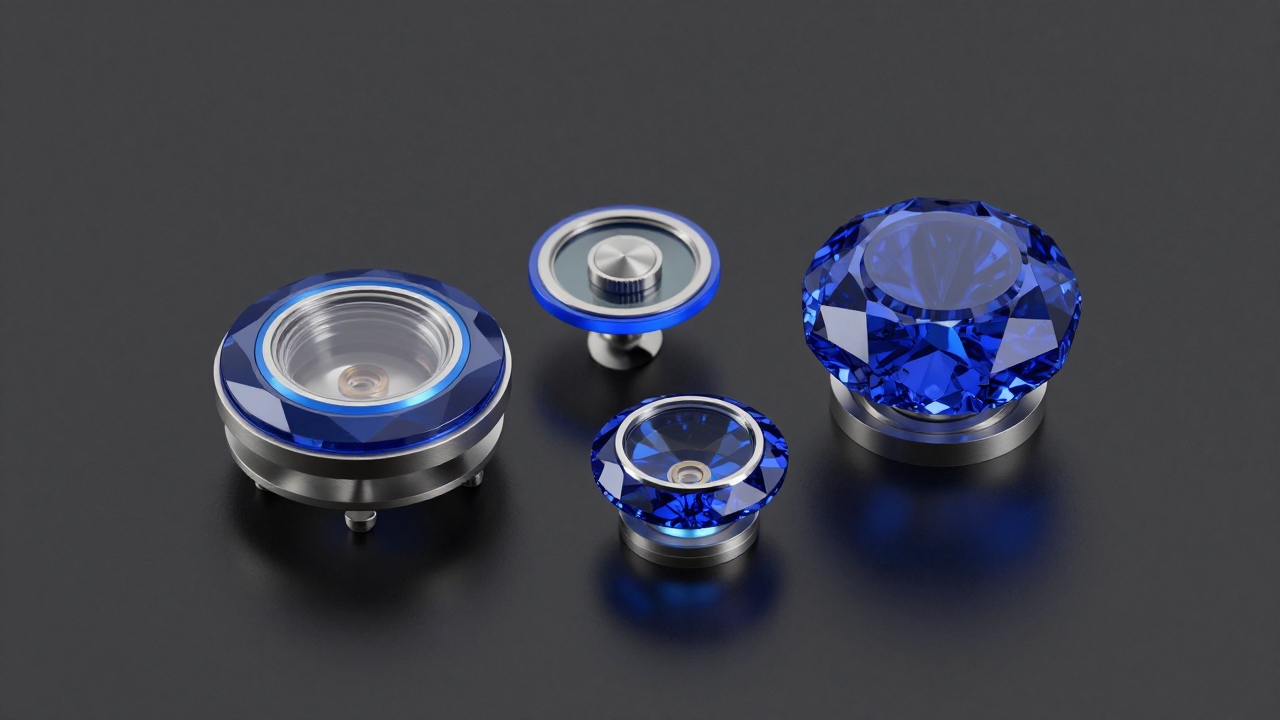
In March 2022, Jason R. from Portland, Oregon wired $37,500 to a supplier he found on Alibaba. The listing branded the operation as a Sapphire China Factory with 15 years of production history.…
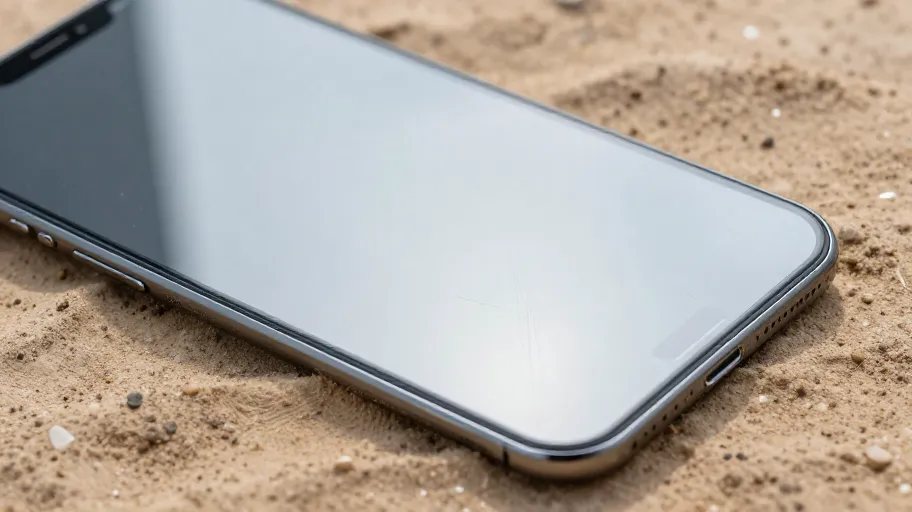

Chinese factories don’t just make sapphire and tempered glass—they redefine what’s possible. Backed by vertical integration, state-supported R&D, and AI-driven quality control, they deliver durable, certified, and cost-smart components at unmatched speed.


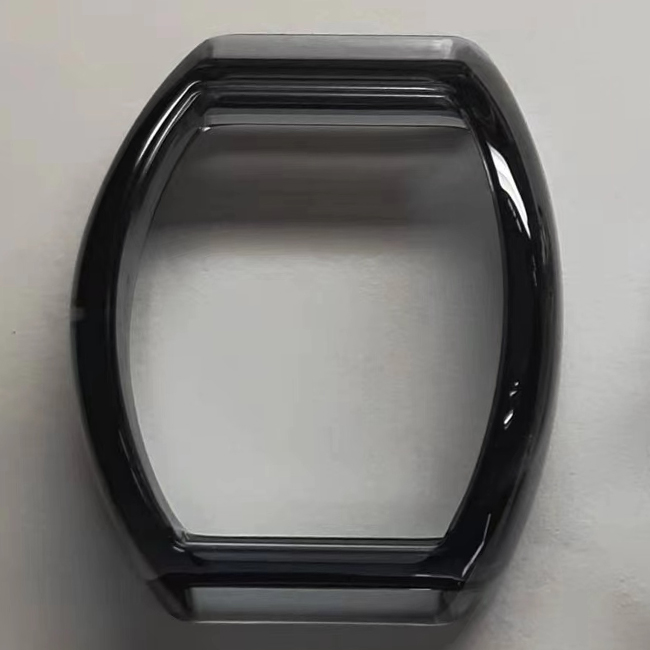
To specify a custom sapphire watch crystal, give your supplier six things: outer shape and profile, critical dimensions with tolerances, edge or bevel treatment, anti-reflective coating spec, sapphire material grade, and the case-to-gasket interface that fixes the crystal. Miss any one and the RFQ turns into guesswork on both sides — which is exactly how quotes drift and samples come back wrong.

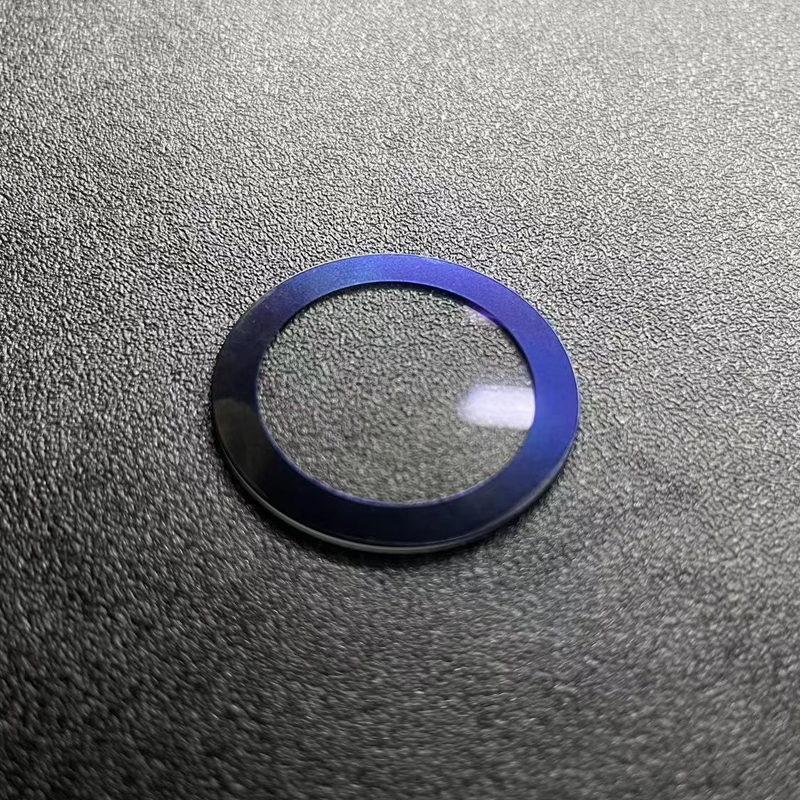
Compare sapphire watch crystal manufacturers on evidence you can verify — how they engage with your drawing, what they inspect and how they report it, and how they handle geometry, edge, coating and fit — rather than on marketing adjectives. A supplier that asks precise questions about your case interface is engaging with the part; one that quotes a price before seeing your dimensions is quoting a placeholder. This guide gives you a checklist for turning a shortlist into a decision.
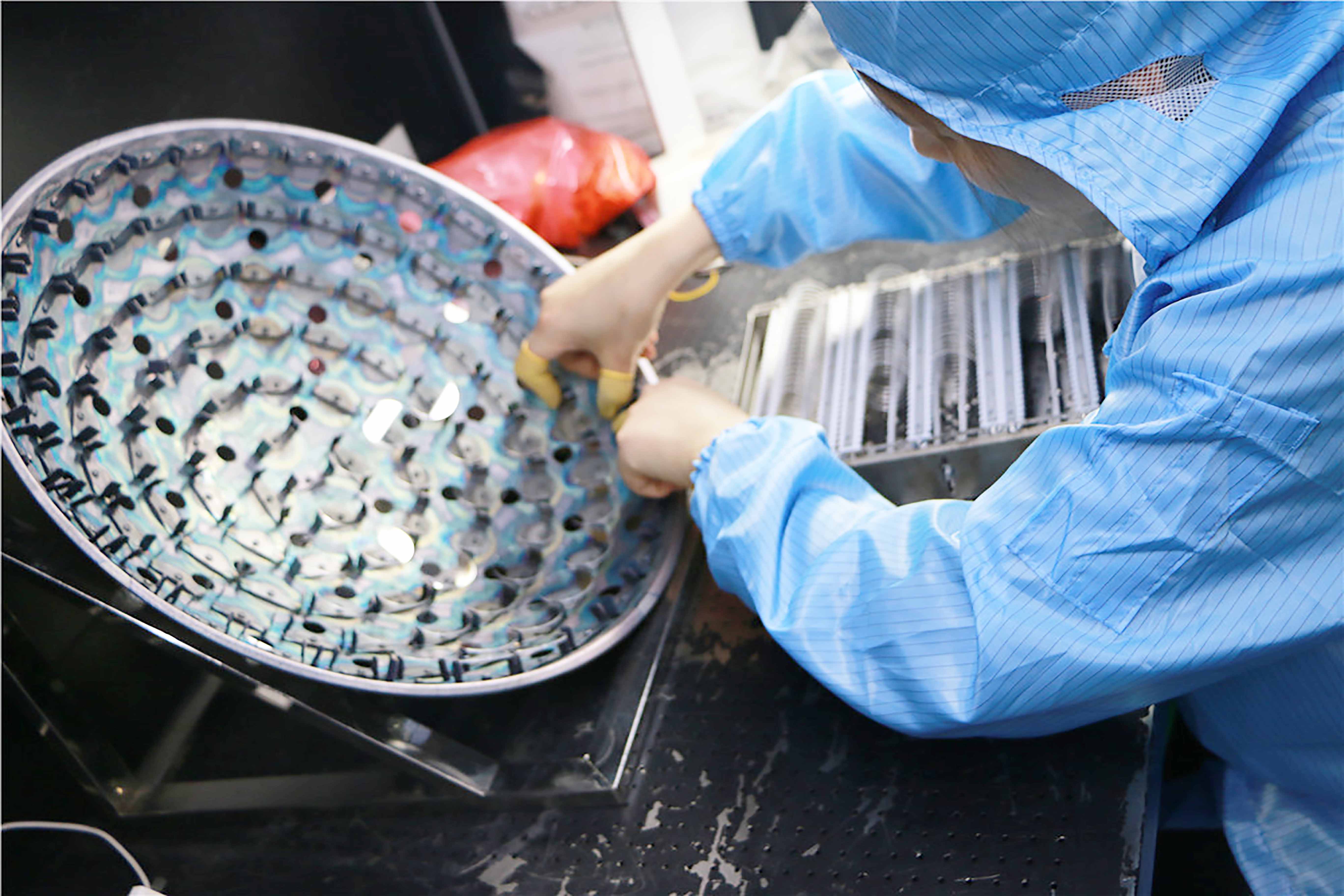
A custom sapphire watch crystal is defined by six things: outer diameter, thickness, edge and chamfer, profile (flat, domed or box), any anti-reflective coating, and the inspection criteria you will accept it against. If you can put those six on a drawing or a dimension sheet, a supplier can review the part and start a real conversation. If any of the six is missing, the first round of quoting turns into guesswork, and the sample you get back may not match what your case actually needs.
This guide walks through what to put on the drawing before you ask for a quote, so the review is based on your geometry rather than on assumptions.

Anti-reflective (AR) coating reduces glare on a sapphire crystal by cutting surface reflections. It can be applied to the underside only, the top only, or both sides. Underside-only is the common starting point because it is protected from wear; double-side coating reduces glare further but puts a coated surface on the exposed top, where handling and inspection expectations differ. The right answer depends on how much glare reduction you want versus how the top surface will wear and be judged.
This article lays out the trade-off so you can confirm a coating specification with your supplier.
Page 37 of 39