Pioneer and leader in the same industry
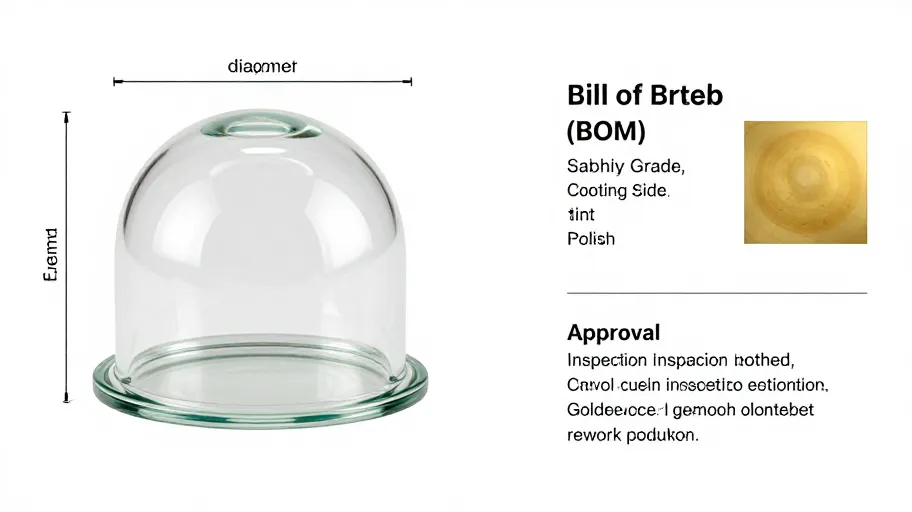
A domed sapphire watch glass order succeeds or fails on documentation, not on the material itself. Put geometry in the drawing (diameter, dome height, radius or profile, reference plane, edge treatment), material and finish in the BOM (sapphire grade, coating side, tint, polish), and acceptance criteria in the approval notes (inspection method, sample photos, golden sample, rework protocol). Anything left verbal becomes a dispute later.
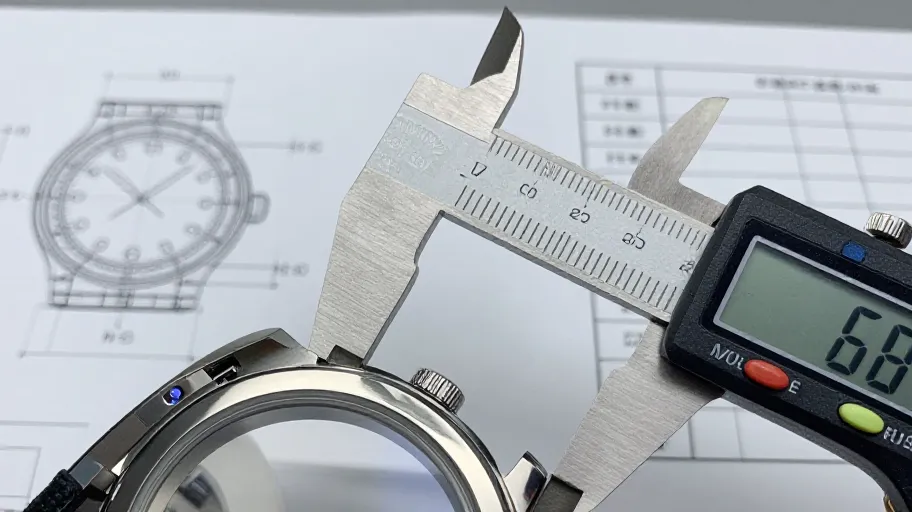
The first sample of a custom sapphire watch crystal should be checked against five things before you approve anything: drawing match, surface and finish quality, edge geometry and fit, assembly integration, and documented records that prove the sample can be repeated at volume. Approving on look and feel alone is where most crystal problems start. Measure, document, and get your acceptance criteria in writing.
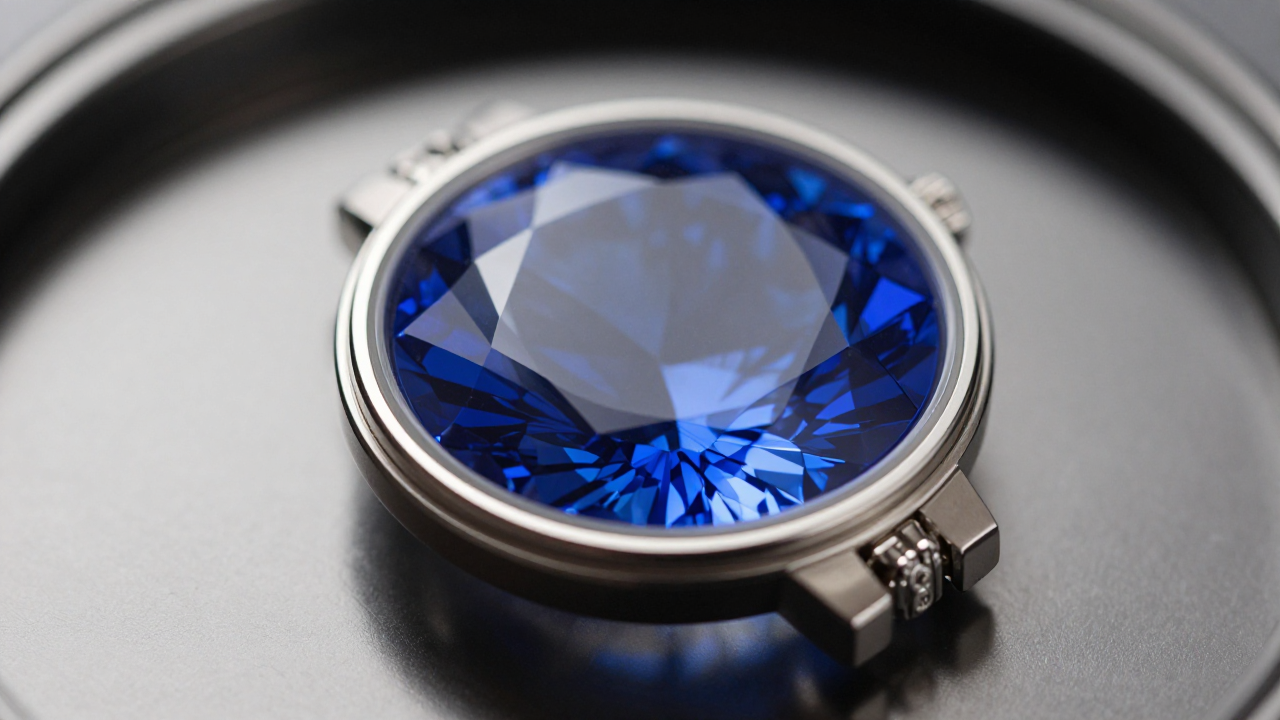
Sapphire watch crystals, made from single-crystal aluminum oxide, provide exceptional hardness and scratch resistance, making them the top choice for luxury watches.…

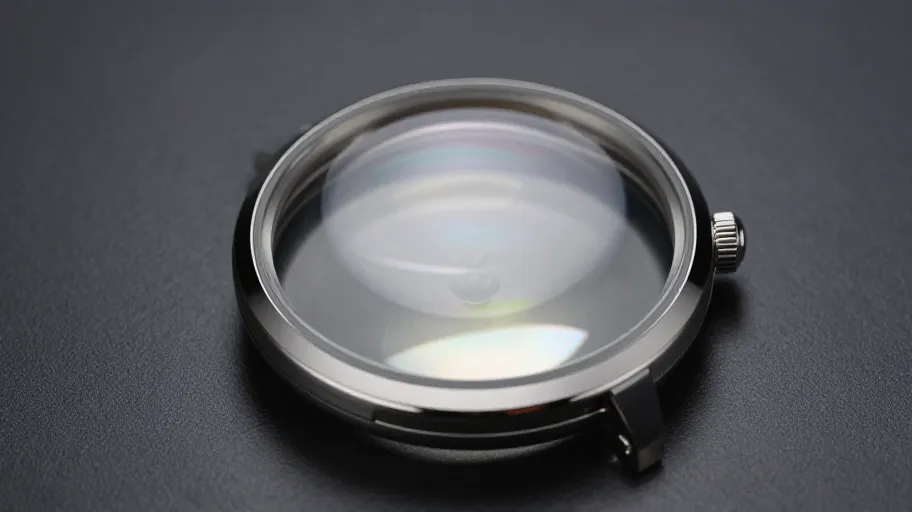
Overlooking key dimensions in domed sapphire watch glass orders isn’t a small mistake—it’s a hidden tax on quality and timelines. Here’s what buyers miss, and how it costs them.

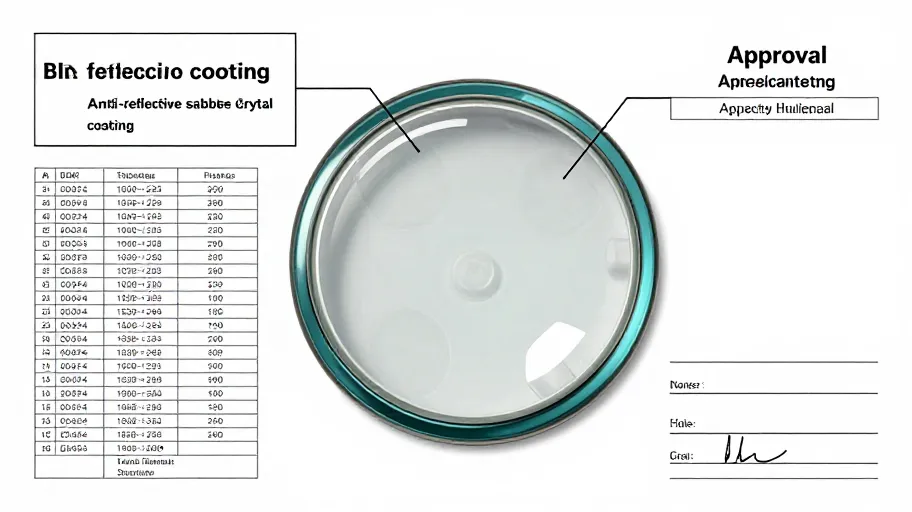
An anti reflective sapphire crystal coating specification belongs in three separate documents, each with a distinct job. The engineering drawing should carry the physical and optical definition: which surface receives coating, coating type, and inspection zones. The BOM should carry the commercial shorthand that purchasing and planning systems read. Approval notes should carry the acceptance language you and the supplier both sign. The most reliable way to keep these aligned is a simple discipline we can call DRAW-BOM-GATE: define on the drawing, lock in the BOM, gate through written approval.
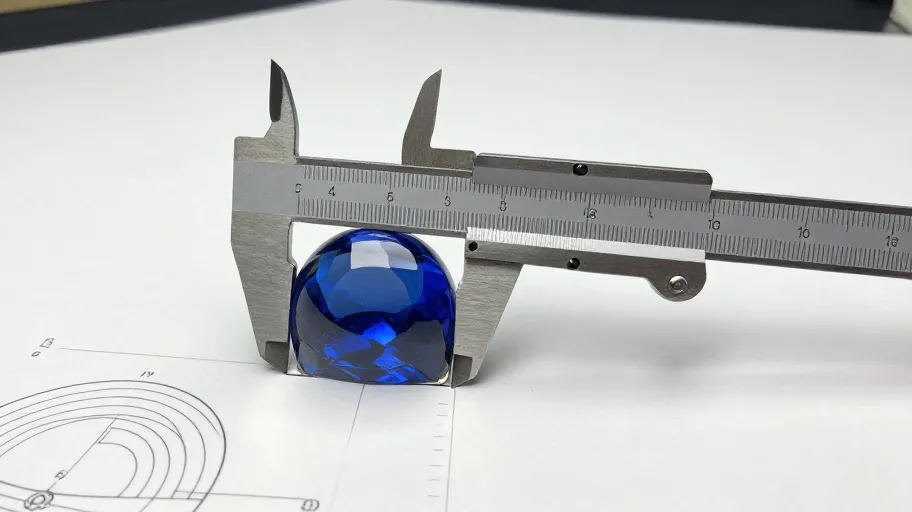
A first brief for domed sapphire watch glass fails when it defines only diameter and thickness. A curved surface needs its height, radius or curvature profile, the reference plane it rises from, and the edge treatment specified together — otherwise every later decision, from gasket seat to hand clearance, is ambiguous. Send these measurements up front and a supplier can quote against a defined part instead of a set of assumptions.
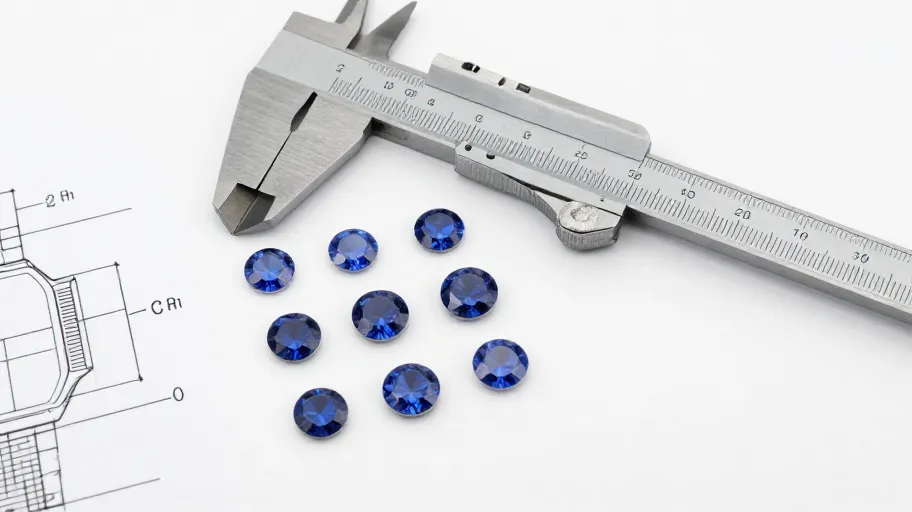
Comparing custom sapphire watch crystal samples requires physical, documented evaluation, not photographs. Use a Three-Point Sample Gate: verify dimensions against your drawing under controlled measurement, inspect optical and surface qualities under standardised lighting, and record written approval criteria before releasing production. Confirm every policy question — sample terms, tolerances, coatings, lead arrangements — directly with the supplier.
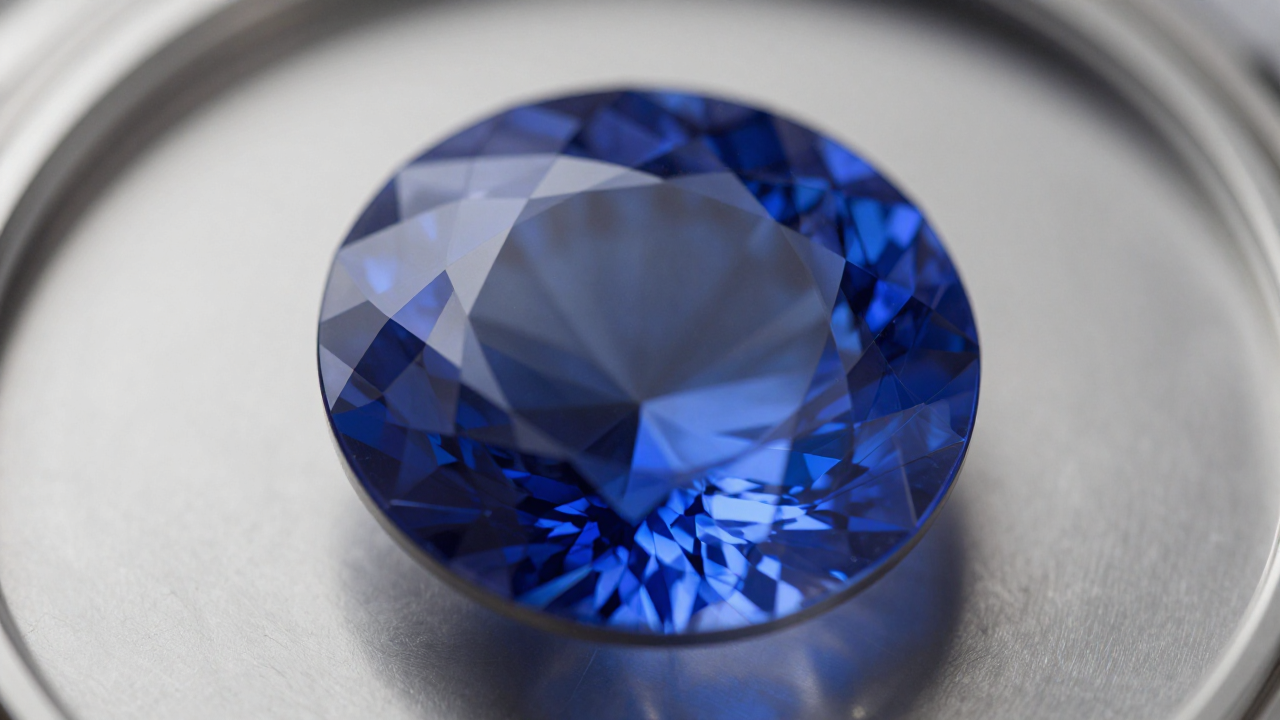
Sapphire watch crystals are renowned for their exceptional durability and scratch resistance, making them a preferred choice for high-end watches.…
Page 41 of 62
