Pioneer and leader in the same industry
Sapphire watch crystal manufacturer: what your supplier needs before they can quote accurately
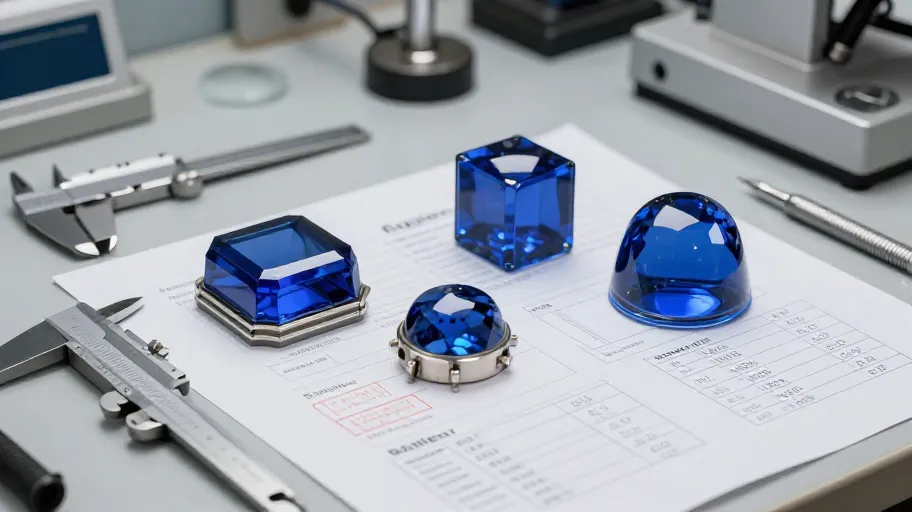
Sapphire watch glass types differ mainly in geometry — flat, domed, box-shaped, double-domed and bevelled variants — and each geometry changes how the crystal seats in the case, how it interacts with the bezel and how light reaches the dial. Before you approve bulk production, resolve five things: the geometry that fits your case architecture, the dimensional and edge specification, any coating requirement, the inspection criteria, and the supplier's stated confirmation on samples, cost and lead terms.
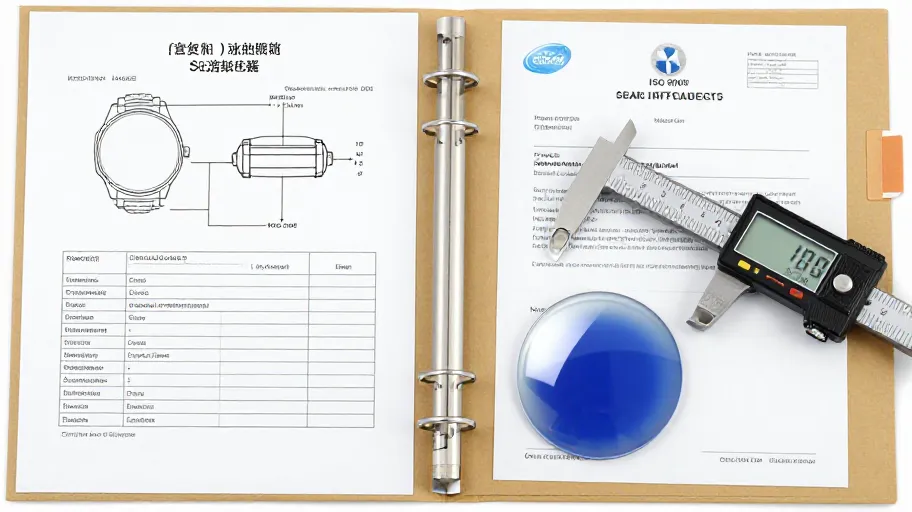
Before you approve a quotation from a sapphire watch glass supplier, assemble a Sign-Off Evidence File: a documented set of specifications, drawings, process confirmations, acceptance criteria and correspondence that defines exactly what you are buying. A quote is only as reliable as the evidence behind it — and the file you keep before sign-off is what protects your brand when production, inspection or a repeat order begins.
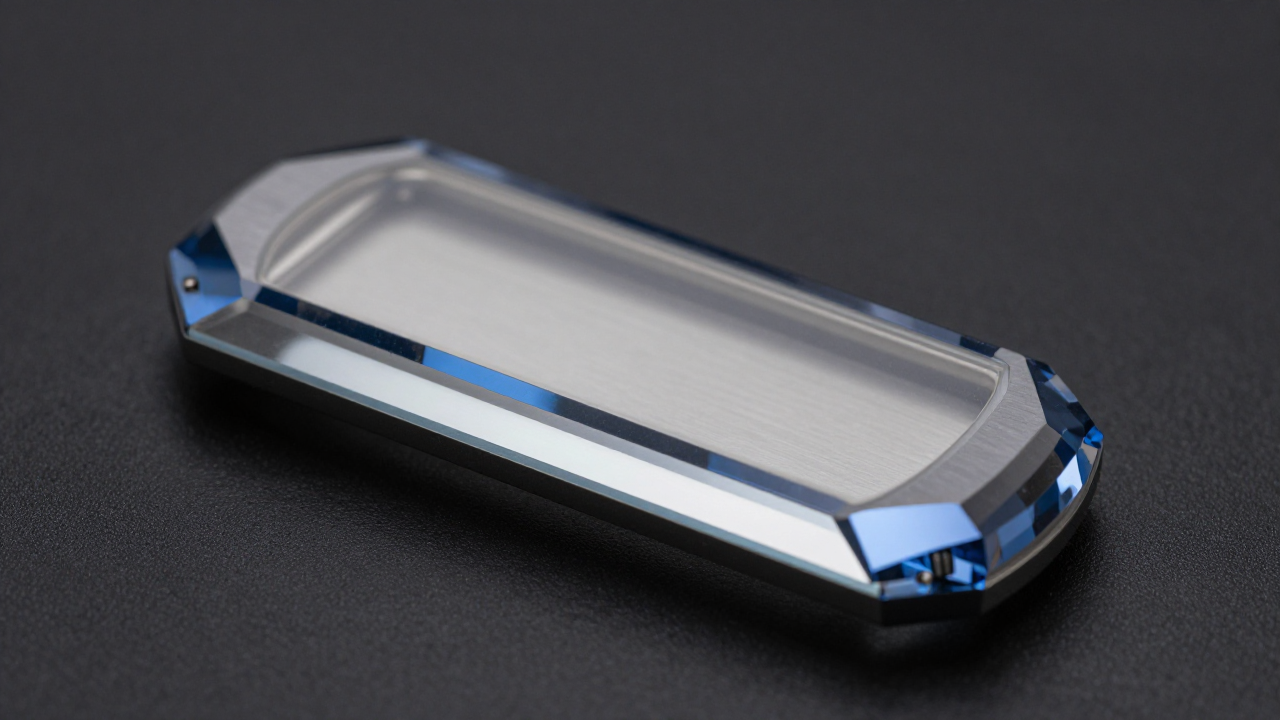
A sapphire watch crystal is a lens cut from lab-grown single-crystal corundum (Al2O3) with a Mohs hardness of 9 and a Vickers hardness near 2,000 HV, making it approximately 3.…

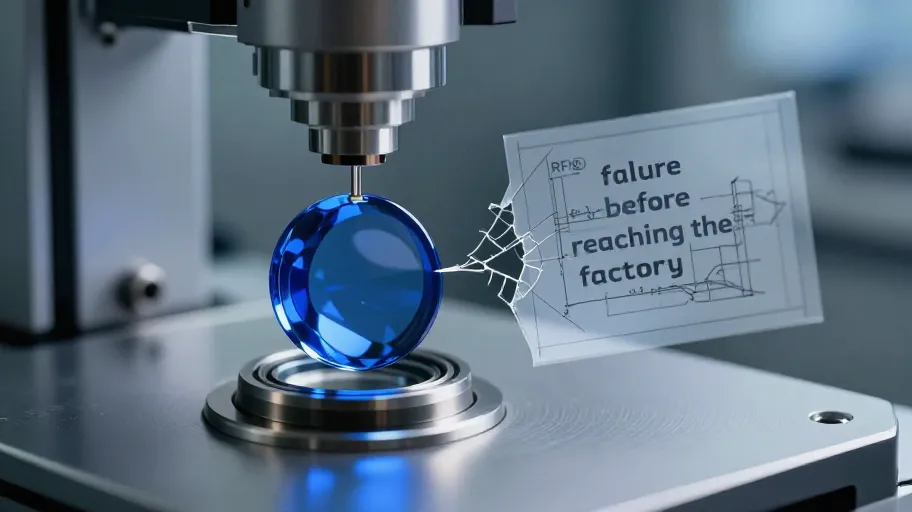
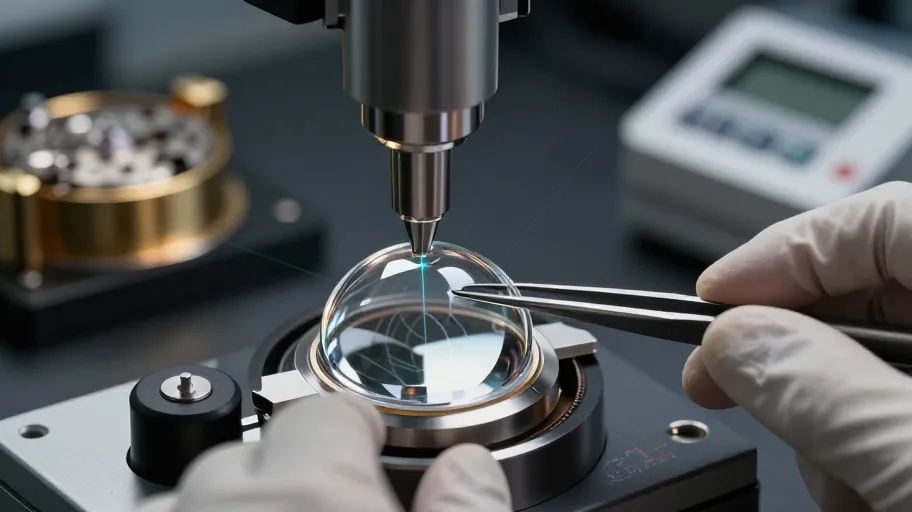
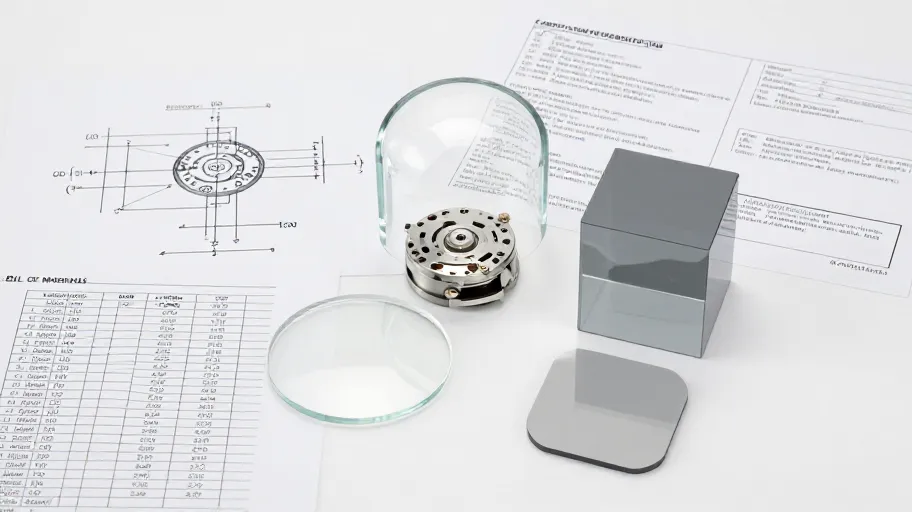
Sapphire watch glass types — flat, domed, box-shaped and coated variants — differ less in how they look in a render than in which parameters must be fixed in writing before a supplier can quote and tool them. The most reliable way to control this is the Drawing–BOM–Approval (DBA) split: geometry lives on the drawing, material and coating identifiers live in the BOM, and acceptance criteria live in the approval notes. Assigning every detail to exactly one document is what turns a crystal type from a nickname into a specification.
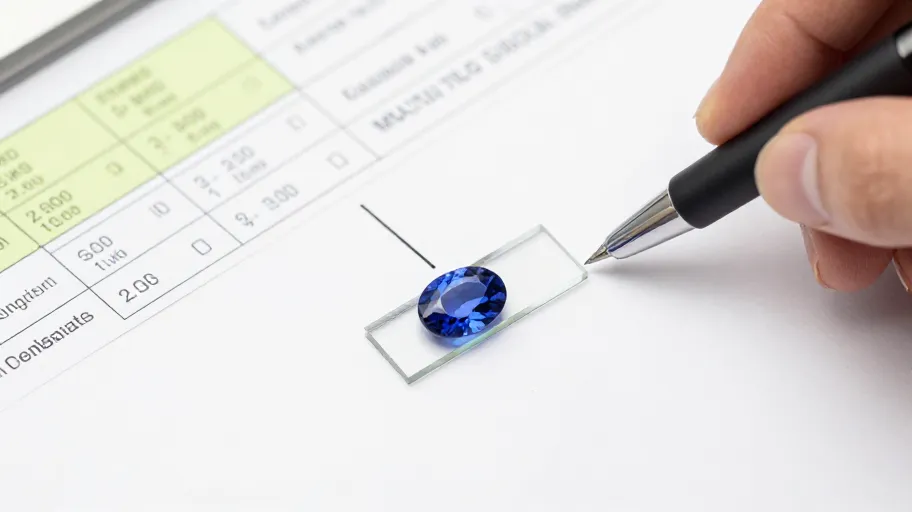
When a revised sapphire crystal sample arrives, the fastest path back to an accurate quotation is not a new enquiry but a structured review: restate the locked specification, compare the revision against the previous round in writing, put your remaining questions to your sapphire watch glass supplier directly, and document approval before asking for updated pricing. We call this the Sample Revision Loop: Specify → Compare → Question → Document → Approve.
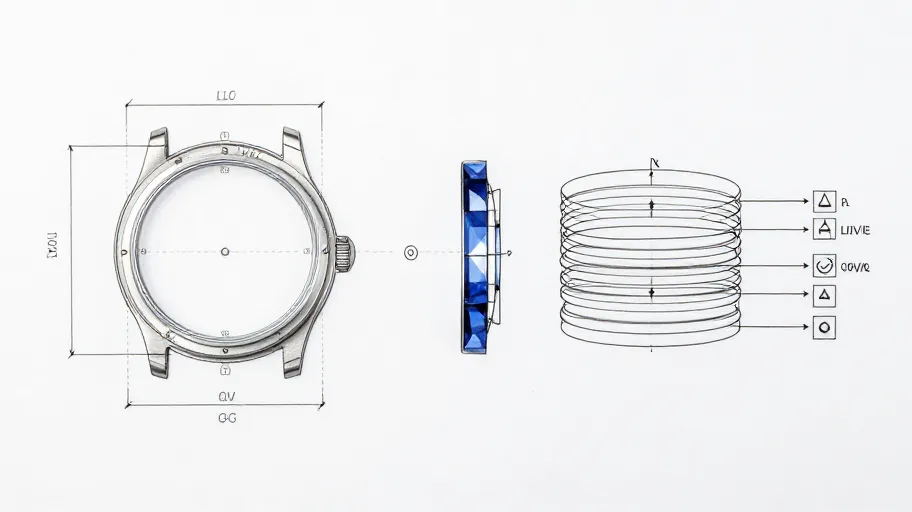
When you write "sapphire crystal tolerance watch" into an RFQ, the phrase alone settles nothing: what protects your project is a drawing that locks the datum, the assembly stack, the edge geometry and the inspection method before anyone quotes. We call this the Four-Lock Tolerance Framework, and it turns vague requirements into questions a supplier can answer in writing.
Page 2 of 65
