
';

NEWS CENTER

Pioneer and leader in the same industry

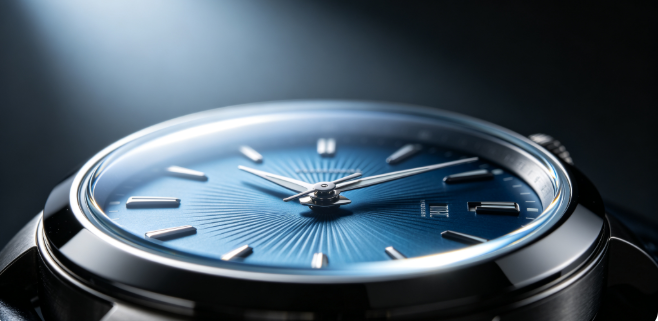
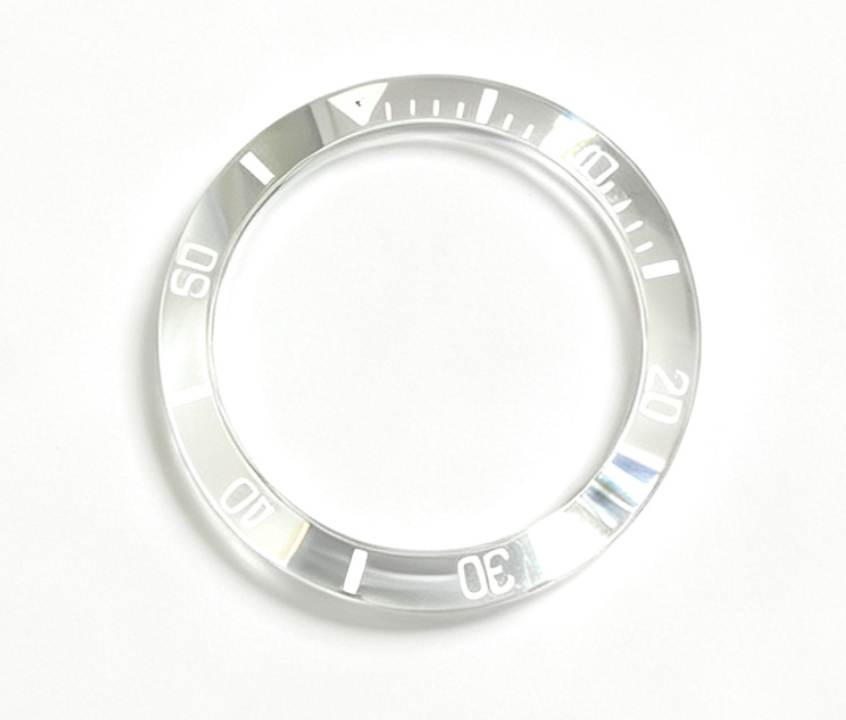
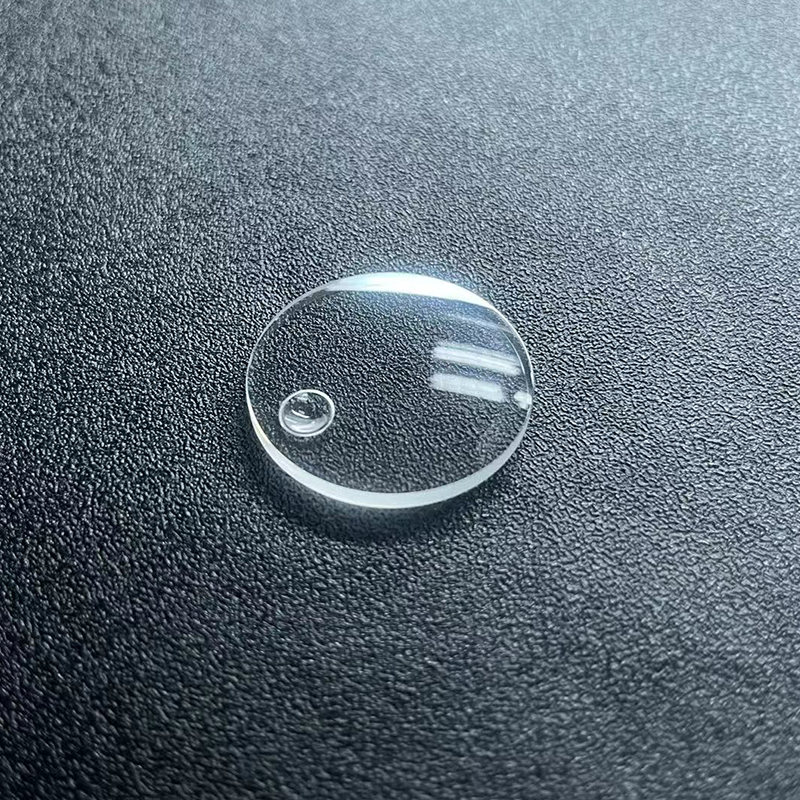
Specifying a custom sapphire watch crystal requires translating design intent into verifiable engineering parameters. To move from concept to production, product developers must provide detailed definitions of geometry, material grade, and surface treatment. Without precise specifications, manufacturing feasibility cannot be confirmed, leading to potential delays in prototyping and assembly. Successful procurement relies on a complete technical package that addresses fit, function, and finish.
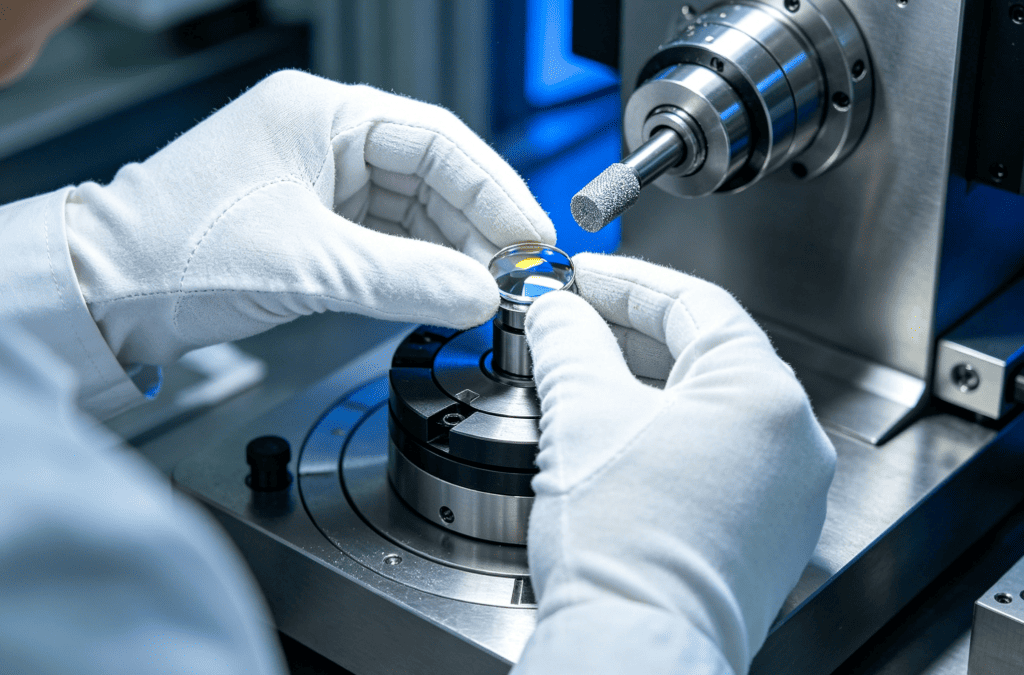
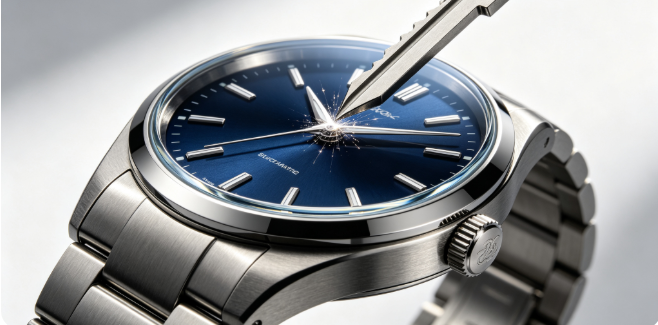
Selecting a sapphire watch crystal manufacturer is not merely a procurement exercise; it is a strategic decision that defines the visual clarity, durability, and water resistance of your final timepiece. For sourcing managers and product developers, the challenge lies in distinguishing between suppliers who offer generic cut glass and those who provide precision-engineered optical components. To mitigate risk and ensure supply chain consistency, buyers must move beyond unit price and rigorously evaluate a partner's technical capabilities, process controls, and quality assurance protocols.

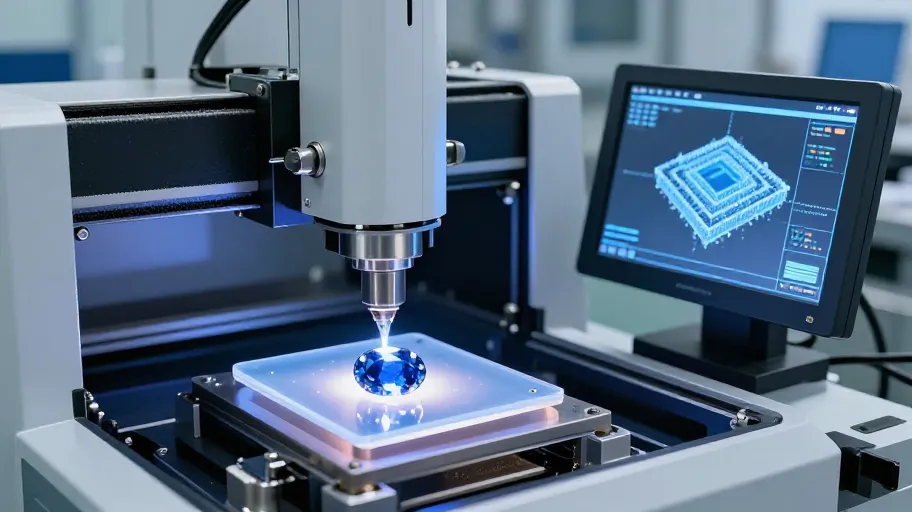
Sourcing a sapphire watch crystal manufacturer requires shifting focus from unit price to process verification. To mitigate supply chain risk, procurement teams must audit a supplier's quality control systems, raw material traceability, and precision machining capabilities before engaging in sampling. The most effective way to compare manufacturers is to apply a rigorous verification framework that exposes actual technical capability rather than relying on sales specifications.

Choosing between flat, box-type, and domed sapphire watch glass types is a foundational decision that defines the visual identity and perceived value of a timepiece. While flat profiles maximize legibility and suit modern tool watches, domed and box-type geometries offer vintage charm and visual depth that command a premium. However, these shapes introduce complex manufacturing variables regarding thickness, coating application, and case sealing. To ensure manufacturability, sourcing managers must align their design intent with the specific tolerances required for each curvature profile.

To ensure a seamless integration of your timepiece's case and movement, defining a custom sapphire watch crystal requires exacting attention to geometric datum points, surface treatment specifications, and optical clarity grades. You must move beyond basic diameter and thickness measurements to provide a complete technical package that accounts for edge profiles, internal coatings, and tightness tolerances. This guide outlines how to construct a specification sheet that minimizes engineering queries and accelerates the manufacturing validation process.

China produces over 80% of the world’s synthetic sapphire crystals—not by chance, but through obsessive control of dimensions, clarity, and surface quality. Here’s how they do it—and why it matters for your next product launch.

Choosing the right sapphire crystal China factory isn’t about price—it’s about atomic-level precision.
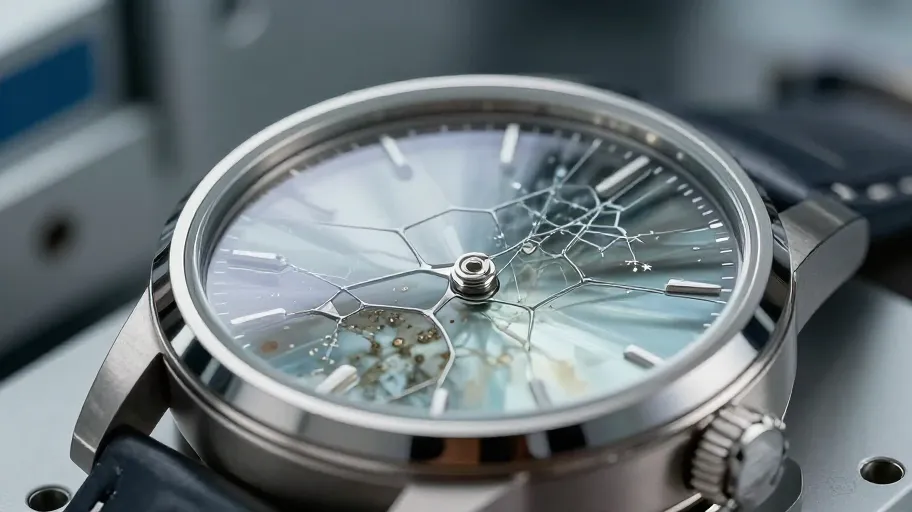
  • Material purity prevents field failures
  • Kyropoulos > Verneuil for reliability
  • Total cost beats unit cost

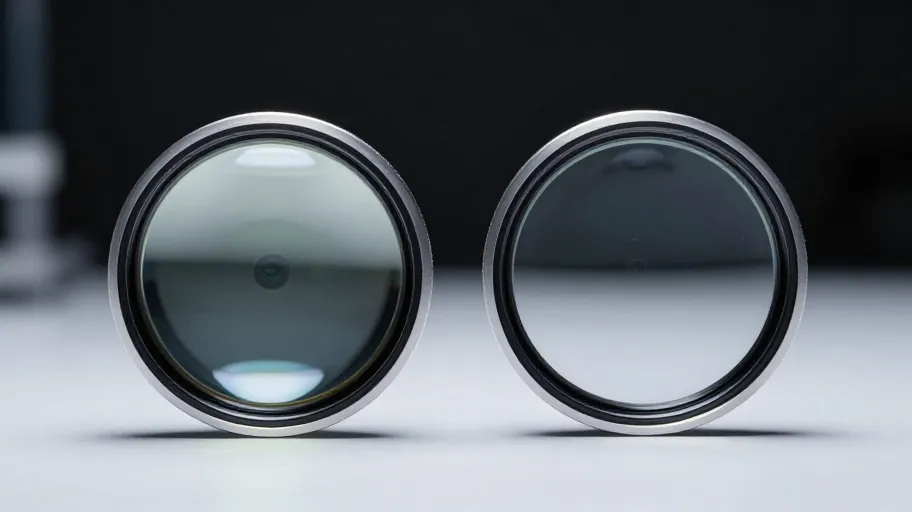
Double-side AR coating delivers up to 99.8% light transmission, but single-side often suffices — especially when cost and volume matter. In China, advanced factories now offer both at scale, cutting production costs by up to 40%. Here’s how to choose wisely.

For modern watch brands, selecting the right sapphire watch glass types is a critical decision that balances aesthetics, water resistance, and cost-efficiency. Flat crystals offer the highest durability and simplest assembly, box-type sapphires provide essential vintage compatibility, while domed variants deliver superior legibility and a premium feel. To determine the optimal geometry for your next production run, you must evaluate how the curvature impacts the case architecture and the intended user experience.

When selecting a sapphire watch crystal manufacturer, the single most critical differentiator is the ability to verify that the supplier controls the entire production process rather than simply outsourcing finished goods. For procurement teams, the goal is to move beyond price sheets and validate the technical capabilities, quality assurance protocols, and material traceability that ensure long-term product reliability. A thorough comparison must focus on proven manufacturing capacity and documented quality control.