Pioneer and leader in the same industry

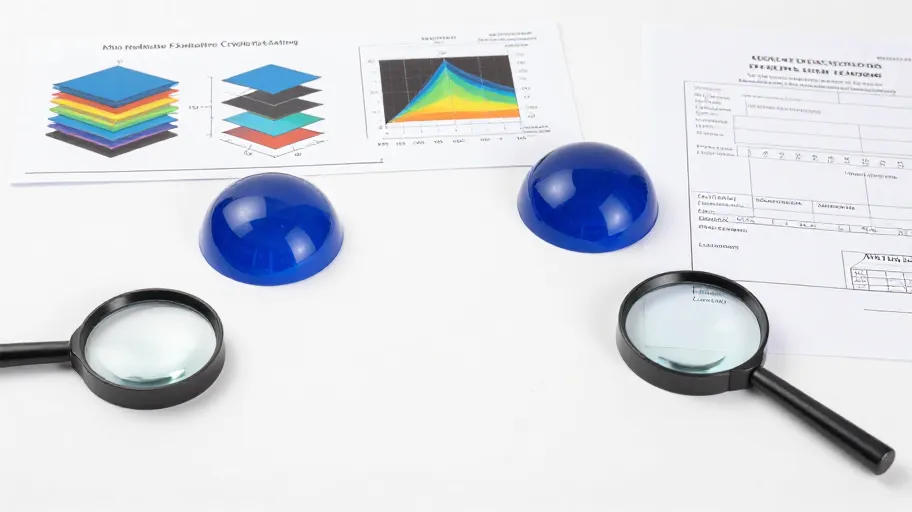
When you hold two quotes for anti reflective sapphire crystal coating side by side, the coating line itself tells you the least. What decides whether the comparison is fair is everything around it: which surfaces are coated, what layer stack is quoted, what evidence backs the claim, what acceptance test applies, and who owns rework if a batch fails. Use a structured framework to normalise both quotes before judging either price.
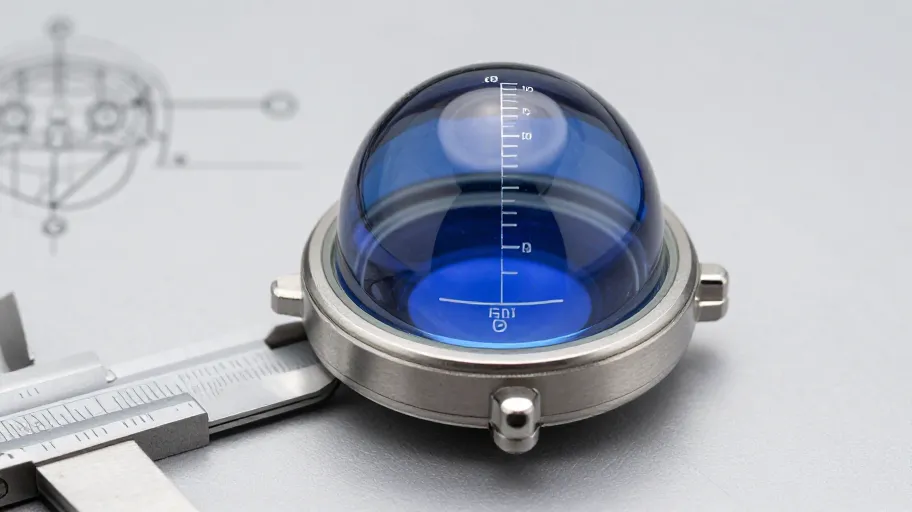
When you brief a manufacturer on domed sapphire watch glass, the measurements that cause the most quoting delay are not the case diameter — they are the ones that define the curve: dome apex height, the reference plane it is measured from, edge thickness at the gasket seat, and how the crystal anchors into the case. A first brief that omits any one of these forces assumptions, and assumptions are what make two supplier quotes impossible to compare. Close the curvature data first, then compare.
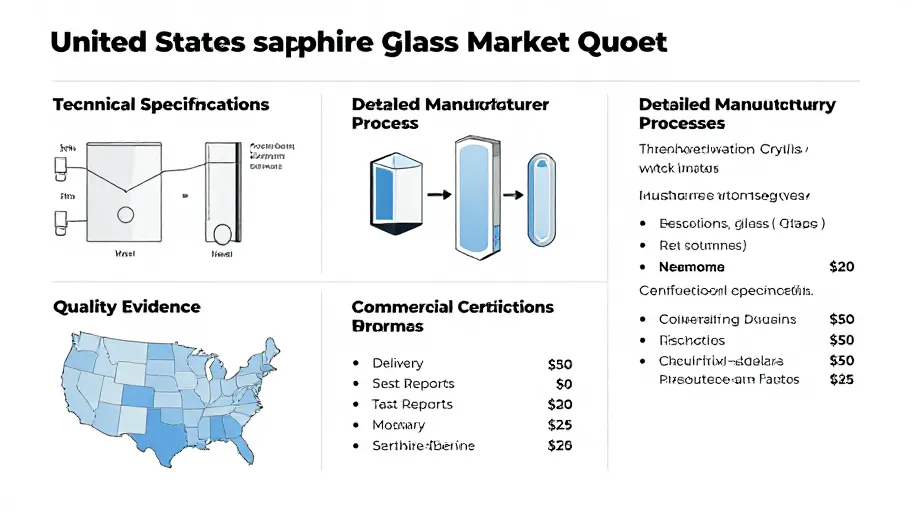
A useful quote for sapphire watch crystals should make four things clear in writing: the exact technical scope of the part, the process steps included, the evidence behind quality claims, and the commercial terms attached to each decision. When you are evaluating suppliers in the united states sapphire glass market, a quote that leaves any of these vague is not a price — it is an open question. Compare quotes only after every supplier answers the same documented questions.
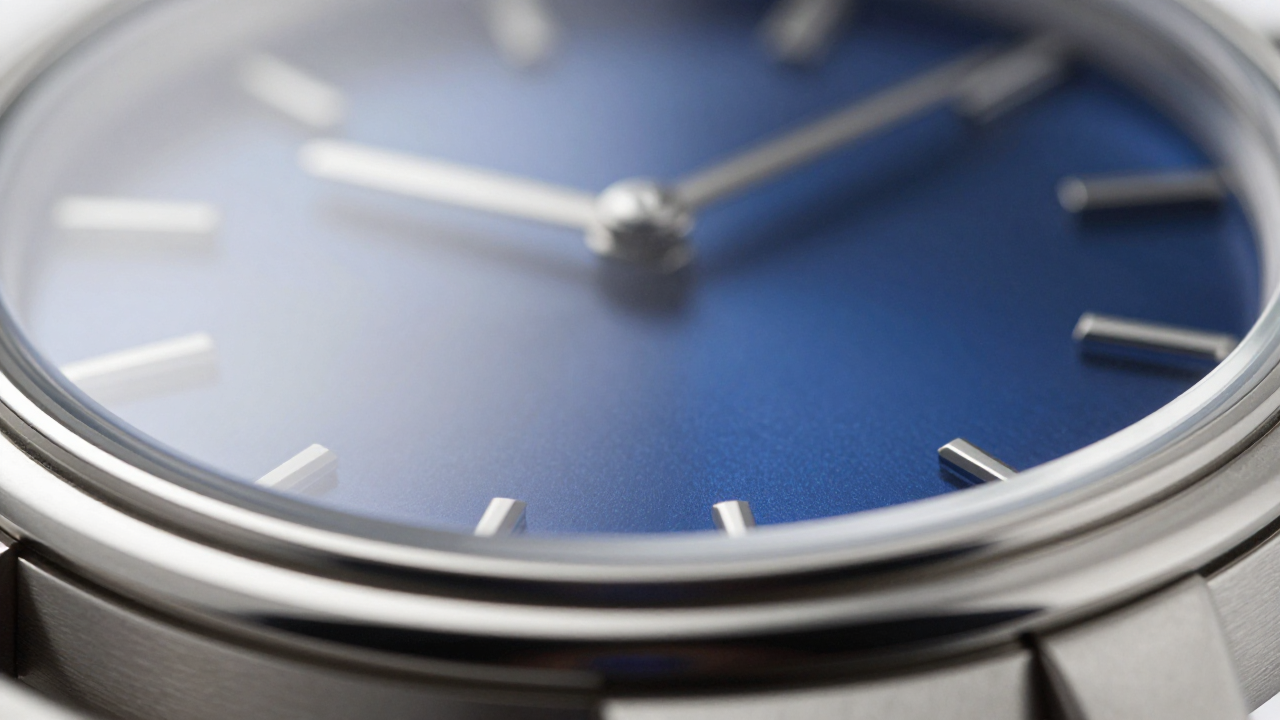
That sentence is the entire argument. Everything the marketing copy says about scratch resistance is true, and almost nobody replaces a crystal because it got scratched.…
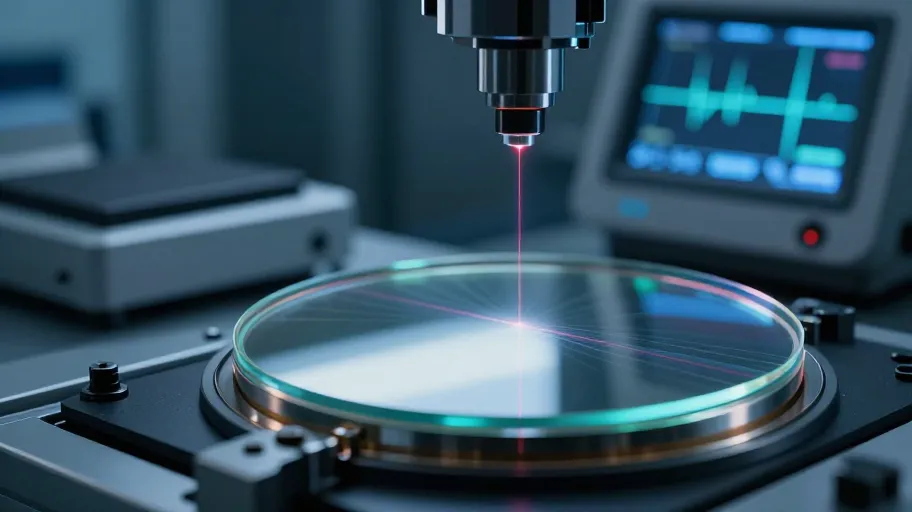
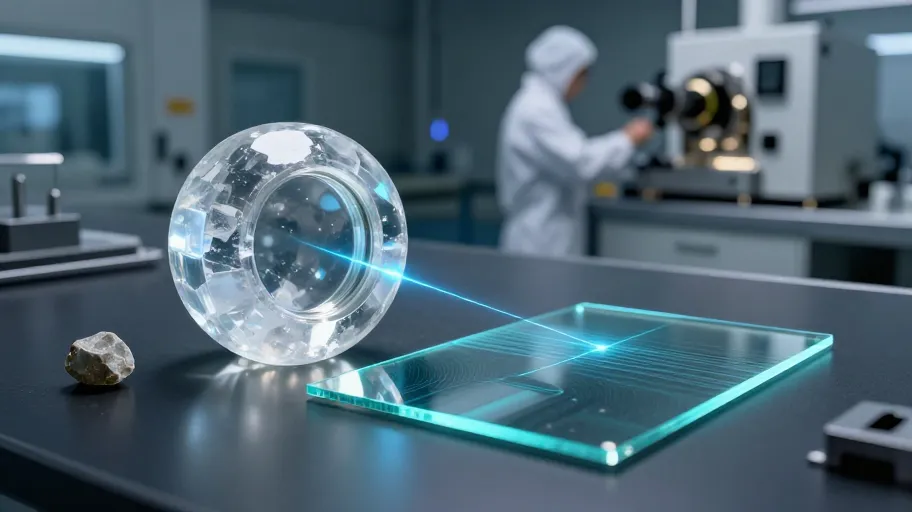
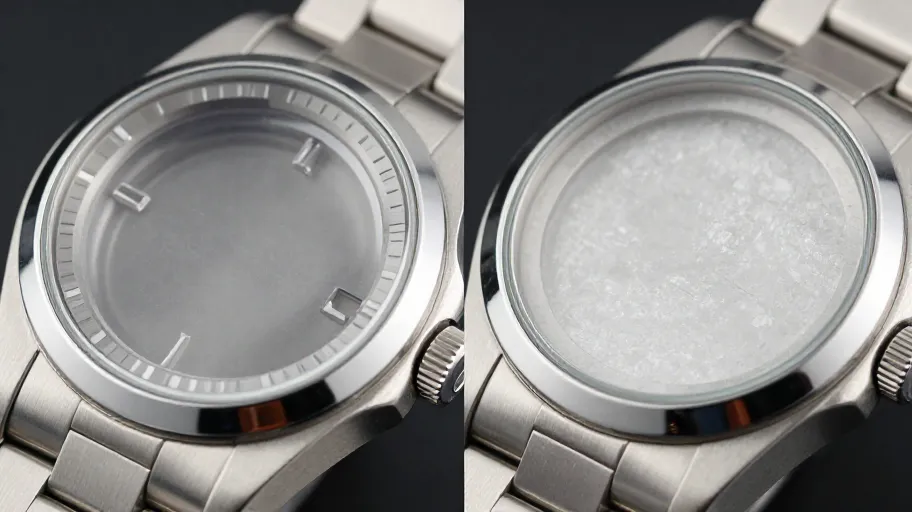
For B2B watch programmes, sapphire is the stronger choice where scratch resistance, brand positioning and long-term optics justify the material investment, while mineral crystal suits cost-sensitive or entry lines. Neither is universally better — the right answer depends on your collection's positioning, target price architecture and the specs you can document and approve with your supplier.
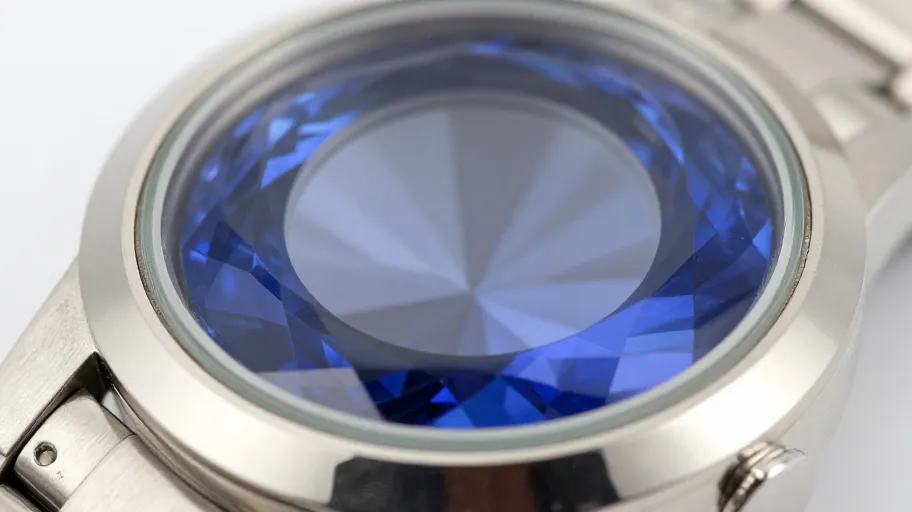
Yes — a sapphire watch crystal is real sapphire, in the material sense. It is synthetic single-crystal corundum (aluminium oxide, Al₂O₃), grown industrially and cut and polished to your drawing. It is not natural gemstone, and it is not glass. The material is chemically the same crystalline substance as natural sapphire; the honest sourcing question is not "is it real?" but "can the supplier prove it, batch after batch?"
Page 4 of 51
